Why Hunt Coyotes?

An Insightful Dive into the Controversial Practice

Table of contents


Introduction

Ah, the coyote. This elusive canine of North America has been the subject of folklore, admired for its adaptability, and often vilified for its cunning nature. Delve deep with me, and let’s explore the multifaceted reasons behind hunting them.


1. The Historical Perspective

a. Native American Reverence

To many Native American cohorts, the coyote was more than just an animal. It was a symbol of wit and adaptability. Hunting them wasn’t just about sustenance; it was a ritual, a testament to one’s prowess and respect for nature.

b. European Settlers and Livestock

Upon introducing livestock to the continent, the settlers inadvertently provided the coyote with new prey. Consequently, driven by the need to safeguard their investments, the settlers began hunting coyotes. This was crucial because a single coyote had the potential to wipe out an entire flock of sheep in just one night.

c. The Gold Rush Impact

During the Gold Rush, settlers disrupted ecosystems. As prey animals dwindled, coyotes had to adapt and sometimes faced hunting pressures due to their newfound boldness in seeking food.


2. Modern Day Reasons

a. Livestock Protection

Today, farmers with livestock still find coyotes a challenge. A handful of coyotes can cause economic havoc by targeting calves, lambs, and poultry. For many, hunting is a proactive measure to protect livelihoods.

b. Ecosystem Balance

Many ecologists believe that hunting coyotes can benefit ecosystems. Firstly, an overpopulation of any species might result in reduced resources. Furthermore, it can lead to the emergence of diseased populations. Therefore, controlled hunting can serve as a measure to maintain this ecological balance.

c. Sporting and Recreation

The thrill of the chase. For many hunters, tracking a coyote is a test of skill, patience, and endurance. They value the challenge it poses, more than the trophy.

d. Population Control

Due to rapid urbanization, coyotes have begun venturing into urban territories. Consequently, many municipalities are now contemplating controlled hunting as a means to regulate their populations and mitigate human-coyote conflicts.


3. The Ethical Debate

a. Animal Rights Perspective

For animal rights activists, every life holds sacred value. Consequently, they speak out against hunting for sport and advocate for coexistence rather than dominance.

b. Sustainable Hunting

Increasingly, the concept of responsible hunting is being recognized. This entails hunting in a way that not only ensures the species’ continued survival but also shows respect for the animal.

c. The Moral Dilemma

In an age where consuming meat is commonplace, one has to wonder: why does hunting, by contrast, elicit such powerful reactions?


4. The Economic Angle

a. The Fur Industry

Coyote fur, especially from the northern regions, is valued for its warmth and aesthetics. The fur industry sees coyotes as a valuable resource, driving a segment of the hunting.

b. Hunting Tourism

In areas where coyote hunting is permitted, there is a noticeable boost from hunting tourism. Consequently, hunters from different regions flock to these areas, thereby bolstering the local economies. However, this trend inevitably brings up concerns regarding sustainability and ethics.

c. Impact on Local Economies

Beyond tourism, hunting supplies, guide services, and local lodging thrive during hunting seasons. A ban on coyote hunting could have cascading economic effects.


5. The Environmental Aspect

a. Coyotes as Predators

Are they apex predators or just opportunists? Understanding the coyote’s role in the ecosystem can shed light on whether hunting them helps or harms the environment.

b. Impact on Other Wildlife

When coyote populations are in check, other species, especially smaller predators and certain herbivores, can thrive. An imbalance can have unforeseen ecological impacts.

c. Habitat and Territory

As we build and expand our territories, we’re encroaching on theirs. This leads to more interactions, some benign and some not so much.

d. The Role of Relocation

Some argue against hunting and for relocation. But is relocating a territorial animal like the coyote really a solution?


Conclusion
Coyotes, like all creatures, play a role in the tapestry of our ecosystem. To hunt or not is a decision with environmental, ethical, and economic implications. As with most things in life, it’s not just black and white.


FAQs

  1. Why are coyotes often seen as pests?
    Their adaptability means they can thrive in varied environments, sometimes leading to conflicts with humans.
  2. Is it legal to hunt coyotes everywhere in the U.S.?
    Regulations vary. Always consult local guidelines.
  3. What’s the difference between a coyote and a wolf?
    They vary in size, behavior, and habitat preferences.
  4. Are coyotes endangered?
    Currently, they’re not endangered. They’ve proven to be incredibly adaptable.
  5. How can we coexist with coyotes without resorting to hunting?
    Solutions include protective fencing, guardian animals, and community education on coexistence.
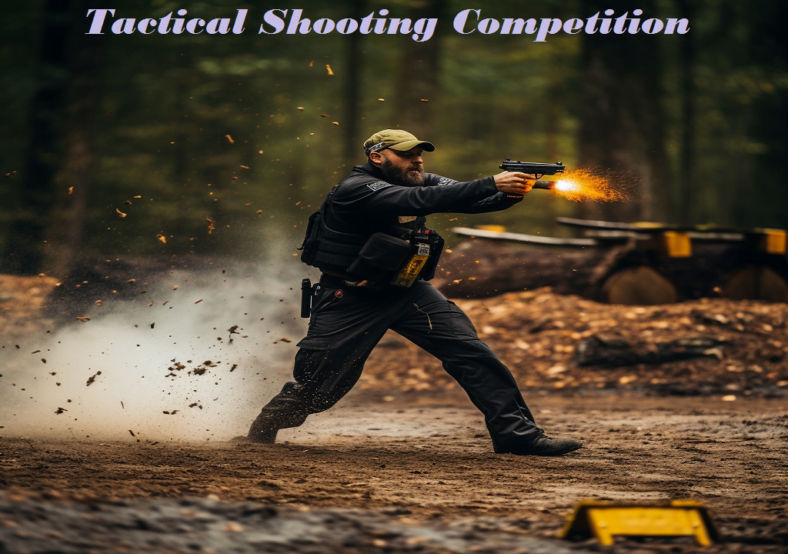
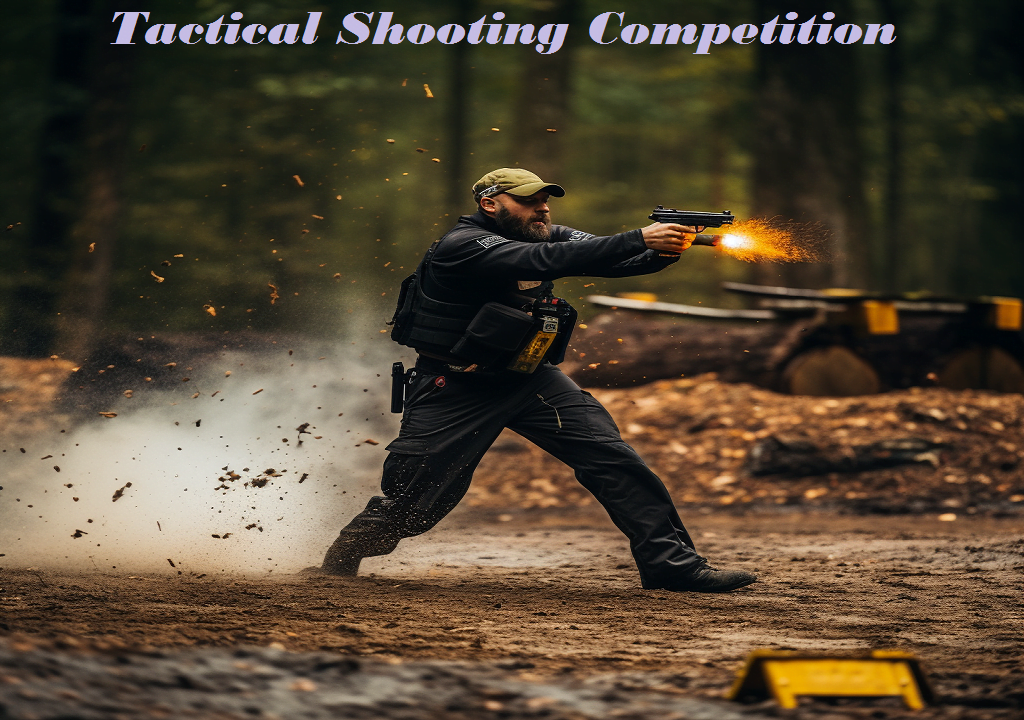
Tactical Shooting Competition: Perfecting Skill, Strategy, and Speed

Table of contents

1. Introduction

  • 1.1 What is Tactical Shooting? Beyond the boundaries of conventional marksmanship lies tactical shooting. This approach not only emphasizes precise aiming but also integrates real-world scenarios. In these situations, shooters are challenged to think on their feet, transition seamlessly between movements, and maintain pinpoint accuracy.
  • 1.2 Utilizing its origins in military and police training, tactical shooting has evolved over time. Consequently, it has blossomed into a worldwide sport, drawing participants who are keen to challenge themselves in authentic combat scenarios.

2. The Evolution of Tactical Shooting

  • 2.1 From Military Training to Civilian SportWhat started as a drill for soldiers and officers is now a full-blown competitive event. Modern competitions derive many of their scenarios from military and police encounters, blending reality with recreation.
  • 2.2 The Spectrum of CompetitionsFrom local club matches to international championships, the growth of this sport is undeniable. Each offers unique challenges, ensuring that participants never face monotony.
  • 2.3 Global ChampionshipsPrestigious events such as the IPSC and IDPA draw competitors from around the world, each vying for the title of the best tactical shooter.

3. Essential Gear for Tactical Shooting

  • 3.1 Firearms to Trust
    • 3.1.1 Pistols: The versatile choice for close encounters.
    • 3.1.2 Rifles: Preferred for long-range targets.
    • 3.1.3 Shotguns: Packing a punch in close quarters.
  • 3.2 Embarking on the journey to discover the ideal ammunition involves delving into the intricacies of ballistics, grain, and material. Consequently, making an informed choice can significantly enhance performance.
  • 3.3 Personal Protective EquipmentSafety goggles, ear protection, and tactical gloves are not just accessories. They ensure the shooter’s safety and enhance performance.

4. Hone Your Skills and Techniques

  • 4.1 Foundation: Stance and Grip
    • 4.1.1 The Isosceles Stance: A balanced and stable form.
    • 4.1.2 The Weaver Stance: Gives more control, especially during rapid firing.
  • 4.2 Speed Vs. Accuracy: The Everlasting DebateWhile speed is essential, accuracy can’t be compromised. Striking a balance is the key to victory.
  • 4.3 Fluid Transitions and Multi-target MasteryMoving seamlessly between targets while adjusting for varying distances is what differentiates amateurs from pros.

5. The Mind Game in Tactical Shooting

  • 5.1 Zen and the Art of FocusWith bullets flying and the clock ticking, maintaining unwavering focus is a challenge unto itself.
  • 5.2 Handling the Heat: Overcoming Competition PressureEvery shot counts. Handling the pressure, especially during tie-breakers, can make or break a match.
  • 5.3 Visualization: Seeing the WinMany champions swear by the power of visualizing their perfect match even before they step onto the field.

6. Gearing Up: Training Regimen

  • 6.1 Essential Drills
    • 6.1.1 Dry Firing: Perfecting technique without live ammo.
    • 6.1.2 Scenario Training: Mock situations to enhance real-world performance.
  • 6.2 In the realm of physical fitness, where stamina seamlessly intersects with strategy, agility, endurance, and strength are pivotal. These elements collectively ensure a consistent performance throughout a match.
  • 6.3 Mentorship: The Role of a CoachBehind many a champion, there’s a mentor ensuring they’re always on top of their game.

7. Safety: A Priority, Not an Option

  • 7.1 The Cardinal Rules of Firearm SafetyThe rules every gun owner should have etched in memory.
  • 7.2 Adhering to Range ProtocolsMutual respect and safety are pillars of the tactical shooting community.
  • 7.3 Preparing for EmergenciesWhile rare, accidents can happen. Being prepared can be the difference between life and death.

8. Beyond the Gun: The Culture and Community

  • 8.1 Networking OpportunitiesCompetitions aren’t just about winning; they’re also about connecting with like-minded individuals and expanding one’s horizon.
  • 8.2 The Support System: Sponsors and PartnershipsWith equipment and training costs soaring, sponsors can play a pivotal role in a shooter’s journey.
  • 8.3 Paying it Forward: Nurturing Future ChampionsVeteran shooters often take rookies under their wing, ensuring the sport’s continued legacy.

9. Real-life Implications and Responsibilities

  • 9.1 Translating SkillsWhile the sport is thrilling, these skills can also be life-saving in real-world scenarios.
  • 9.2 Ethics and MoralityWith great power comes great responsibility. The ethical implications of being a skilled shooter are profound.
  • 9.3 Moreover, while tactical shooting serves as an entry point, it can also lead individuals to explore other shooting disciplines, each offering its own distinct challenges and benefits.

10. Peering into the Future

  • 10.1 Innovations and Tech IntegrationFrom smart guns to VR-based training, the future of tactical shooting is tech-infused.
  • 10.2 The Evolution of Competition RulesAs the sport grows, so do its rules and challenges, ensuring it remains fresh and enticing.
  • 10.3 A Growing FanbaseWith increased media coverage and celebrity endorsements, tactical shooting is swiftly moving into mainstream consciousness.

Conclusion

Tactical Shooting Competition, intense as it may be, offers an exhilarating blend of skill, strategy, and speed. As the sport continuously evolves, so does its community. They are bound together by mutual respect, a profound love for the craft, and the undeniable thrill of competition.

FAQs

  1. How can I initiate my journey in tactical shooting competitions?
    • Begin with fundamental firearm safety training. Then, consider visiting local gun ranges and clubs, as they frequently provide courses for beginners. Subsequently, progress to more specialized tactical shooting training.
  2. How does tactical shooting differ from traditional target shooting?
    • Initially focusing on dynamic scenarios, tactical shooting often simulates real-life situations. Consequently, it demands movement, strategy, and split-second decisions.
  3. What gear do I need to begin?
    • A reliable firearm, personal protection equipment like safety glasses and earmuffs, and tactical clothing are the basics. As you progress, you can invest in specialized equipment.
  4. Are there age restrictions for participating?
    • Most competitions have a minimum age limit, often 18 or 21, but it varies. Always check with the specific competition organizers.
  5. How frequently are these competitions held?
    • Depending on your region, local matches can be monthly, while larger, national-level competitions might be annual events.

As tactical shooting competitions gain traction, it’s not just about the thrill or the accolades. It’s about discipline, community, and a dedication to excellence. Will you take the shot?

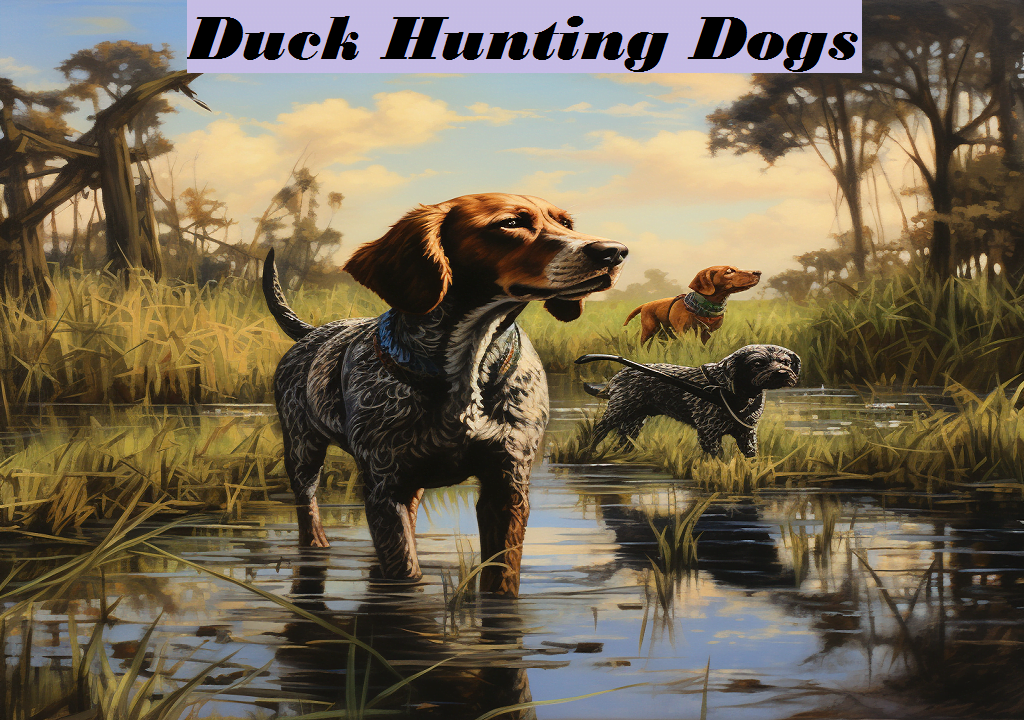
Duck Hunting Dogs: Man’s Wetland Companion

Duck hunting, a blend of skill and tradition, is enriched by the spirited participation of our loyal companions: duck hunting dogs. Their role in this sport is pivotal, adding a dimension of teamwork that’s truly unparalleled.

Table of contents

The Storied History of Duck Hunting with Dogs

1. The Dawn of the Partnership

Even in ancient civilizations, man understood the value of canines in hunting. With their acute sense of smell and natural retrieval instincts, dogs became invaluable partners in waterfowl hunts.

2. Rise of Specialized Breeds

Selective breeding led to the birth of specific breeds known for their affinity with water and keen retrieving skills. The likes of Labrador Retrievers, Chesapeake Bay Retrievers, and Golden Retrievers are classic examples.

3. Modern Era and Breed Diversity

The modern age brought a wider understanding of breeds, leading to the utilization of a broader range of dogs in hunting. Today, it’s not uncommon to see breeds like the German Wirehaired Pointer or the Nova Scotia Duck Tolling Retriever making waves in the marshes.

Choosing the Right Breed: An In-Depth Look

4. Labrador Retrievers: Beyond Popularity

Labrador Retrievers, with their amicable nature, robust build, and love for water, are often deemed perfect for duck hunting. They have a thick double coat that protects them from cold water, and their webbed feet make them excellent swimmers.

5. Exploring Other Champions

Other breeds, such as the Chesapeake Bay Retriever, are known for their tenacity and strength. They have a dense coat that shields them from icy conditions, making them resilient hunting partners.

6. Temperament & Training: The Two Ts of Excellence

Regardless of the breed, a dog’s temperament is fundamental. A docile, eager-to-please nature, combined with the right training, can turn any promising pup into a duck hunting prodigy.

Training Techniques: From Novice to Expert

7. Puppy Foundations: Setting the Stage

Basic obedience is the cornerstone. Commands like ‘sit’, ‘stay’, and ‘come’ form the foundation upon which advanced skills are built.

8. Introducing Water and Retrievals

After mastering basic commands, introducing the puppy to water in a controlled environment can pave the way for future waterfowl retrievals.

9. Advanced Retrieval Techniques

Here, the focus shifts to skills like marking (watching a bird fall and remembering its location) and handling (taking directional cues from the hunter).

10. Navigating Varied Terrains

It’s essential for dogs to navigate different terrains, from dense marshes to open waters. Training sessions should mimic these environments to prepare the dog.

Optimal Care for Your Hunting Partner

11. Nutrition: Fueling the Hunt

High-energy, nutrient-rich diets are paramount. A mix of protein, fats, and essential vitamins ensures the dog remains agile and healthy.

12. Regular Health Check-ups

Regular vet visits can preempt potential health issues, ensuring that the dog is always in top hunting shape.

13. Mental Well-being: Beyond Physical Health

Just like humans, dogs need mental stimulation. Toys, games, and regular interaction can keep them sharp and engaged.

14. Rest and Recovery

After a long day in the marshes, ensuring your dog has a warm, dry place to rest is essential. Recovery is as crucial as the hunt itself.

Deepening the Bond: Hunter and Dog

15. Trust: A Two-Way Street

Building trust is crucial. Whether it’s through regular training sessions or simply spending time together, a deep bond enhances the hunting experience.

16. Celebrating Successes

Recognizing and rewarding your dog’s achievements, no matter how small, fosters a positive environment and encourages them to perform better.

Conclusion

Duck hunting dogs are not just assets; they are partners, guardians, and often, our most trusted confidants in the field. Their dedication to the hunt and their undying loyalty to their human counterparts is nothing short of awe-inspiring.

FAQs

1. Can older dogs be trained for duck hunting?
Yes, while younger dogs often learn faster, older dogs with the right temperament can be trained effectively.

2. How can I ensure my dog is safe during hunts?
Equip them with protective gear like vests, ensure they’re well-rested, and always monitor them for signs of fatigue or discomfort.

3. How do I maintain my dog’s hunting skills during off-season?
Engage in regular training exercises, play fetch, and simulate hunting scenarios to keep their skills sharp.

4. Are there any specific toys that can aid in training?
Yes, retrieval dummies that float on water are great tools for training.

5. How do I handle aggressive or overly dominant behavior during training?
It’s essential to establish yourself as the pack leader. Consistent training, using positive reinforcement, and seeking professional help if needed, can address such behaviors.

Duck hunting with dogs is a tradition, an experience, and a partnership that goes beyond mere sport. It’s about teamwork, understanding, and a shared love for the thrill of the hunt.

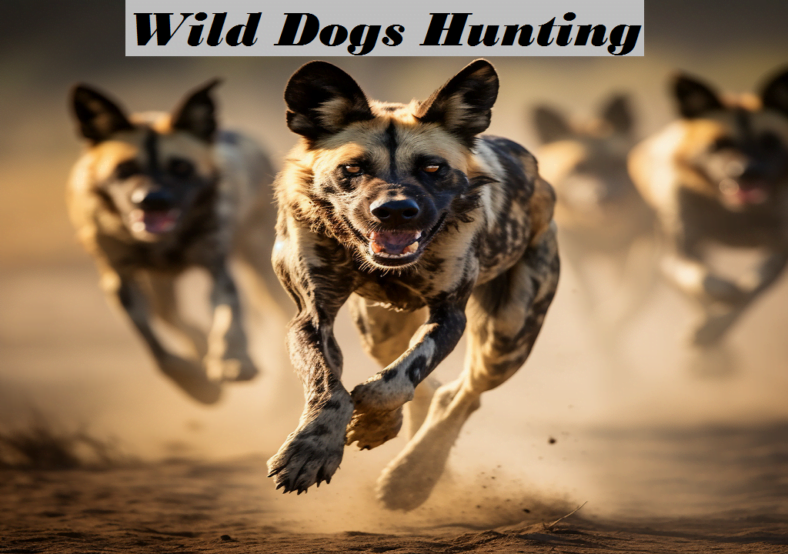
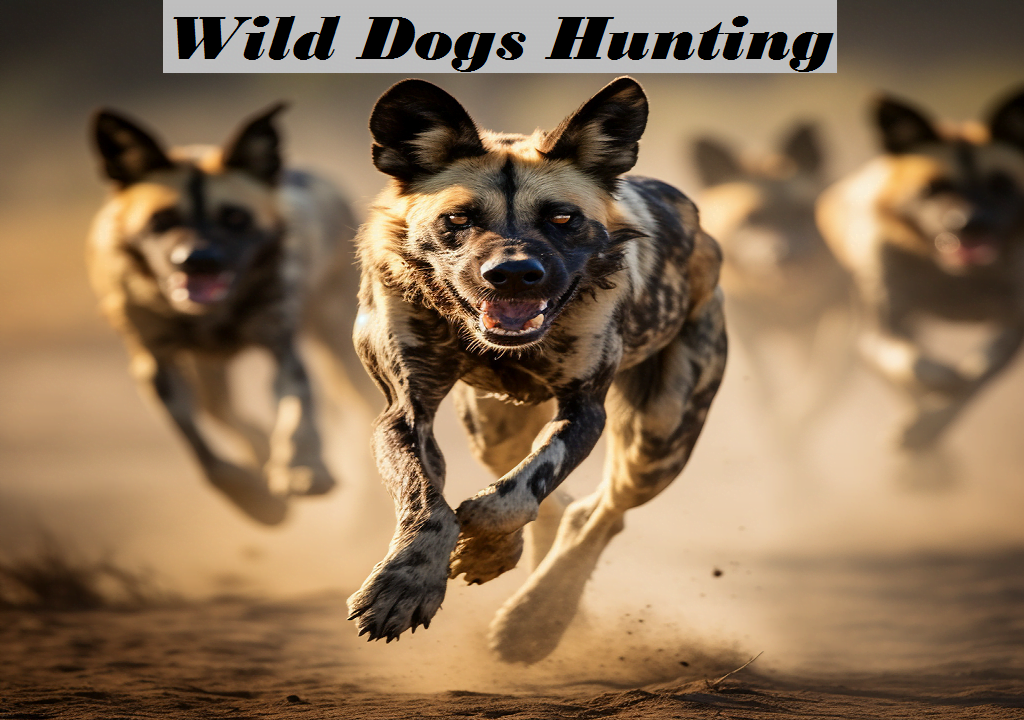
Wild Dogs Hunting: Nature’s Precision Machines


Table of contents

Introduction

The dynamic world of wild dogs is an intriguing mix of cunning strategies, teamwork, and endurance. But these predators aren’t just about the thrill of the hunt; they’re a lesson in survival, adaptation, and the delicate balance of nature.


1. The Enigma of Wild Dogs

  • 1.1. Who Are the Wild Dogs?
    • Their evolutionary journey: Wild dogs, also known as African painted dogs, have an evolutionary tale distinct from wolves and domesticated dogs. Their unique mottled appearance and large rounded ears set them apart.
    • Characteristics: They possess a lean build, long legs, and an impressive stamina that plays a pivotal role in their hunting strategy.
  • 1.2. Habitats and Distribution
    • Navigating the African Savannah: Vast plains, minimal cover, and their adaptation to these challenging terrains.
    • Beyond Africa: The dholes of Asia and the maned wolves of South America, each with its own unique hunting techniques.
  • 1.3. Understanding Their Unique Pack Mentality
    • Social hierarchy: The complex dynamics where it’s not just about the alpha but about the collective. Every member has a role, and the pack’s survival depends on each doing its part.
    • Mating and reproduction: Only the dominant pair breeds, but the entire pack is involved in raising the pups, showcasing a level of communal care rare in the animal kingdom.

2. Hunting Techniques: An Evolutionary Marvel

  • 2.1. Endurance Hunting
    • The marathoners of the wild: Unlike other predators that rely on stealth, wild dogs can chase their prey over long distances, tiring them out.
    • The chase: A strategic relay where pack members take turns chasing the prey, ensuring that there’s always a fresh set of legs to continue the pursuit.
  • 2.2. The Art of Ambush
    • Terrain usage: Despite their preference for open spaces, wild dogs can utilize minimal cover effectively to surprise their prey.
    • The element of distraction: While some pack members chase the prey, others might cut corners and ambush them, ensuring a higher success rate.
  • 2.3. Teamwork Makes the Dream Work
    • Vocal and non-vocal communication: From high-pitched calls to sneezes, they employ a range of signals to coordinate their strategies.
    • Role distribution: From the main chasers to those who set the ambush, every member has a specific role, ensuring energy is used efficiently.

3. Survival Tactics in the Wild

  • 3.1. Evading Bigger Predators
    • The lion challenge: Despite being skilled hunters, wild dogs often lose their kills to bigger predators like lions. How do they navigate this threat?
    • The strategy: They either abandon their kills or try to eat as quickly as possible before a bigger predator arrives.
  • 3.2. Territorial Dynamics
    • Scent marking: More than just marking territory, scent plays a pivotal role in communication between pack members.
    • Overlapping territories: Encounters with rival packs can be deadly. Strategies they employ to avoid direct confrontation.
  • 3.3. Raising the Next Generation
    • Pup rearing: The first few months of a pup’s life are crucial. The pack ensures they’re fed, often regurgitating food for them.
    • Training for the wild: From play-fighting to joining the pack on hunts, the pups learn the art of survival from an early age.

4. Wild Dogs vs. Other Predators

  • 4.1. Lions and Hyenas
    • The ongoing rivalry: While lions might steal their kills, hyenas often engage in direct confrontations.
    • Battle strategies: How wild dogs navigate these challenges, from group defense to distraction tactics.
  • 4.2. The Threat of Humans
    • Habitat encroachment: As humans expand their territories, wild dogs face habitat loss, leading to more encounters, often deadly.
    • Conservation vs. human settlements: Striking a balance between progress and preservation.
  • 4.3. The Changing Climate’s Impact
    • Altered hunting patterns: As seasons change unpredictably, prey migrations change, affecting wild dogs’ hunting grounds.
    • Water scarcity: With changing rain patterns, finding water sources becomes a challenge.

5. Conservation Efforts

  • 5.1. Role of National Parks
    • Safe havens: These spaces offer a sanctuary from the ever-encroaching human civilization.
    • The double-edged sword: While they offer protection, they can become isolated islands, leading to inbreeding and genetic vulnerabilities.
  • 5.2. NGOs and Grassroot Movements
    • Community-driven conservation: Local cohorts and communities playing a crucial role in protecting these canines.
    • Global support: International NGOs and wildlife enthusiasts playing a pivotal role in funding and driving conservation projects.
  • 5.3. Empowering Communities
    • Education: Making locals aware of the importance of wild dogs in maintaining the ecological balance.
    • Financial incentives: From eco-tourism to wildlife photography, providing economic alternatives to communities to reduce threats like poaching.

Conclusion

The world of wild dogs hunting is a symphony of strategy, endurance, and teamwork. As they navigate the challenges of the wild and the threats posed by civilization, their survival tale reminds us of the intricate web of life, where each species plays a pivotal role.


FAQs

Q1: Are wild dogs endangered?
A: Yes, they’re classified as endangered due to habitat loss, human conflicts, and diseases.

Q2: How do wild dogs communicate during a hunt?
A: They use vocal calls, body language, and sneezing for group decisions and coordination.

Q3: How quickly can wild dogs eat their prey?
A: They usually start eating immediately after a kill to avoid losing it to other predators.

Q4: How many wild dogs typically make up a pack?
A: Pack sizes vary, but on average, they consist of 10 dogs. Some packs can grow up to 40 members, especially when prey is abundant.

Q5: What’s the lifespan of a wild dog?
A: In the wild, they can live up to 10 years, though many don’t survive past their first year due to the myriad challenges they face.

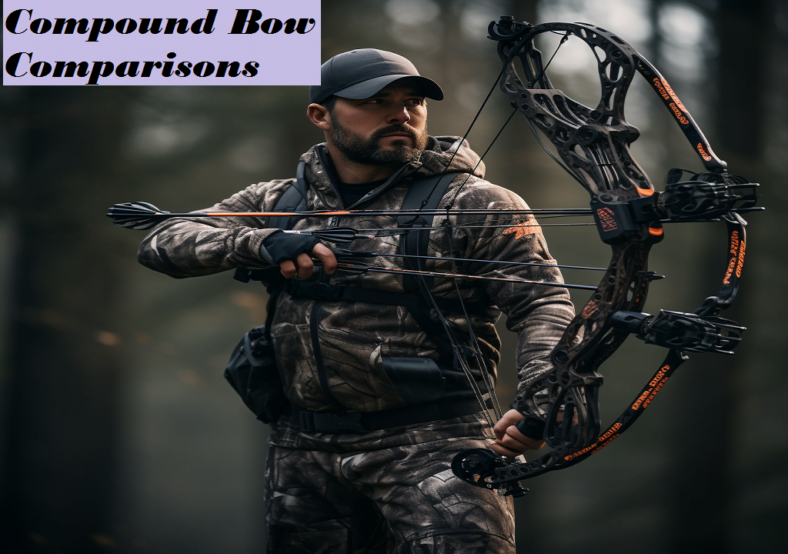
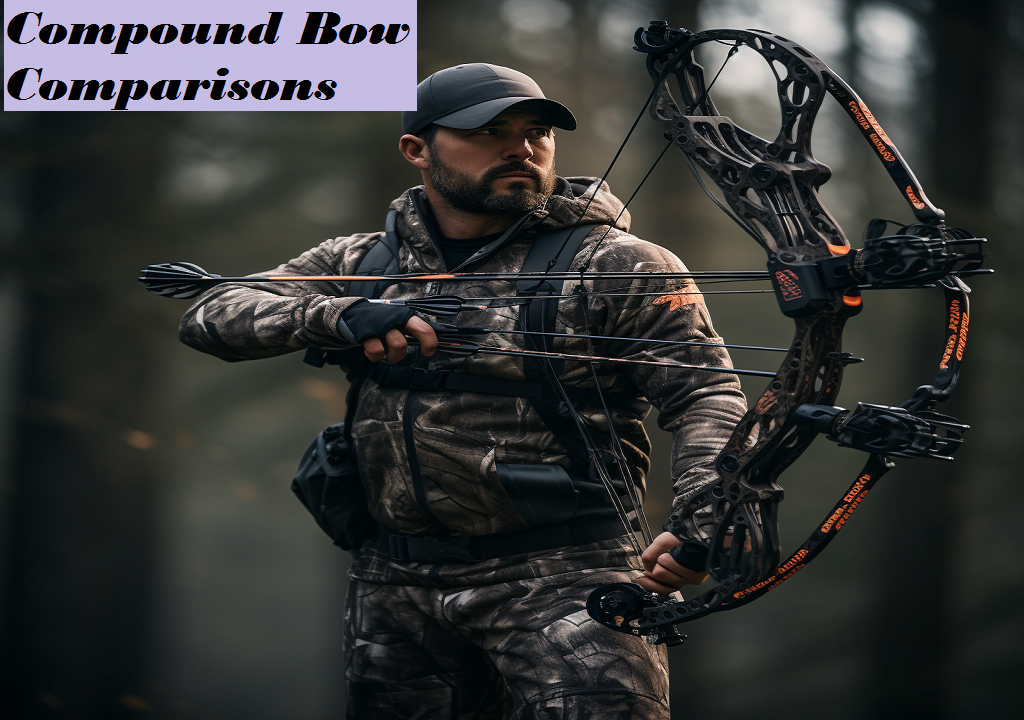
Compound Bow Comparisons: Finding the Best Bow for You

Ah, the thrill of releasing an arrow and watching it fly! Archery is as old as civilization itself, and its tools have been perfected over millennia. Today, we’ll unravel the marvel that is the compound bow, delve deep into its intricacies, and guide you to the perfect bow.

Table of contents


1. The Evolution of Bows: A Quick Look Back

Traditional vs. Compound Bow Comparisons

Traditional bows like longbows and recurves are simplicity at its finest – a bendy arc and a string. The compound bow, however? It’s where tradition meets technology.

How the Compound Bow Was Born

Holless Wilbur Allen, in the 1960s, reinvented the wheel. By incorporating pulleys into the design, he made archery accessible to many, without compromising on power.


2. Compound Bow Comparisons: Anatomy of a Compound Bow

The Riser: The Backbone

Constructed mainly from aluminum or carbon fiber, the riser is the non-bendy middle part. It provides stability and is where most of the other components attach.

Limbs: The Powerhouses

These are the bendy parts. Shorter than their counterparts in recurves, they store all the energy. Modern limbs are made from composite materials, making them robust and reliable.

The Cam System: A Game-Changer

This pulley system, generally at the end of the limbs, is the compound bow‘s defining feature. There are multiple types – single cams, hybrid cams, twin cams. Each has its perks, influencing draw cycle and speed.


3. Leading Brands: Who Reigns Supreme?

Hoyt: The Old Guard

Established in 1931, Hoyt has been at the forefront of archery innovations. They’re known for their durability and high-end designs.

Mathews: The Innovator

Founded in the 1990s, Mathews quickly became a market leader. Their bows are light, fast, and have a smooth draw cycle.

Bowtech: The Rebel

With patented technologies and diverse offerings, Bowtech bows cater to both beginners and pros.

PSE: The Speedster

Precision Shooting Equipment (PSE) is known for its speed. Their bows are often the go-to for those looking for a quick shot.


4. Making the Right Choice

Purpose: Hunting or Target Shooting?

While many bows serve both purposes, some are specialized. Target bows focus on accuracy over long distances, while hunting bows prioritize power and speed for a quick kill.

Draw Length and Weight: Customized to You

The bow should fit you like a glove. Measure your draw length, and pick a weight you can comfortably pull back.

Budget: A Bow for Every Pocket

From budget-friendly to bank-busters, there’s a bow for every price range. Remember, a higher price doesn’t always mean better quality.


5. Caring for Your Bow

Regular Maintenance: A Bow’s Best Friend

Inspect your bow frequently. Check for frayed strings, cracks, and ensure all parts are tightened.

Storage: Safe and Sound

Store in a cool, dry place. Use bow cases for added protection.

String Replacement: Better Safe than Sorry

Over time, strings wear out. Replace them periodically to maintain peak performance.


6. A Peep into the Future

Innovations: What’s Next?

From self-adjusting bows to smart technology integrations, the future looks promising.

Sustainability: Crafting Bows with a Conscience

Brands are now looking into sustainable materials and ethical manufacturing processes, ensuring that the sport remains green.


Conclusion

Compound Bow Comparisons: The compound bow, a marvel of modern archery, offers a blend of power and precision. With brands pushing the envelope and innovations on the horizon, there’s no better time to embark on your archery journey. Research, practice, and most importantly, enjoy the process.


FAQs

  1. Are compound bows suitable for kids?
    Ans. Yes, with adjustable draw weights and lengths, many models cater to younger archers.
  2. How often should I replace arrows?
    Ans. Depending on use and wear, arrows might last a season or several years. Always inspect before use.
  3. Do I need special tools for maintenance?
    Ans. A basic bow toolkit suffices for most tasks. For major repairs, consult a professional.
  4. What’s the average lifespan of a compound bow?
    Ans. With proper care, a compound bow can last decades, though technology advancements might outpace its relevance.
  5. How do weather conditions affect my bow?
    Ans. Extreme temperatures can affect bow performance. It’s advisable to acclimate the bow to outdoor conditions before shooting.

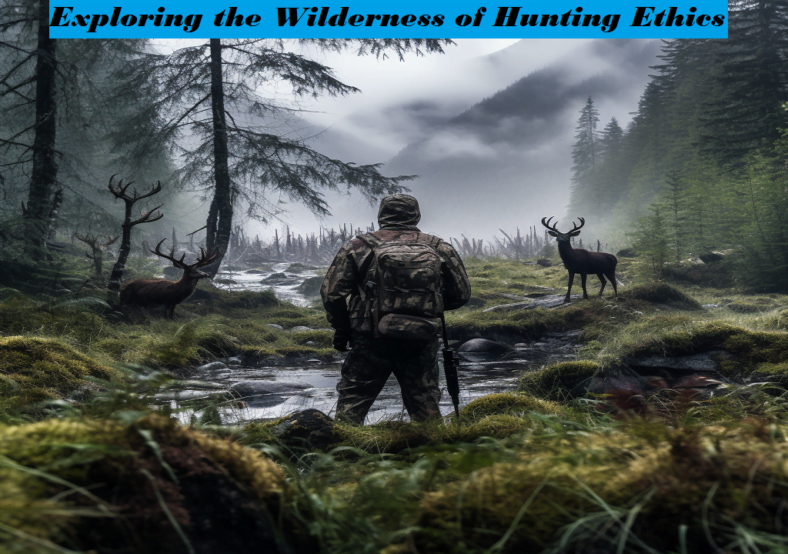
Exploring the Wilderness of Hunting Ethics

Table of contents

Introduction

Hunting, a practice as old as humanity itself, has evolved from a means of survival to a recreational activity. However, this transformation has raised crucial questions about the ethics surrounding hunting. In this article, we will venture into the heart of hunting ethics, delving deep into the considerations, dilemmas, and principles that guide hunters and society at large.

The Dance Between Man and Nature

Respecting the Ecosystem

Hunting is a delicate dance between humans and the natural world. Just as a conductor orchestrates a symphony, hunters must harmonize their actions with the ecosystem. This means not just taking from nature, but also giving back.

Hunting as Conservation

Surprisingly, hunting can also be an act of conservation. By managing animal populations, hunters can prevent overpopulation, which can lead to habitat destruction and disease spread. It’s a paradox: taking a life to save a habitat.

The Moral Crossroads

The Trophy Conundrum

One of the most divisive aspects of hunting ethics is trophy hunting. Is it ethical to hunt animals solely for bragging rights and decorative trophies? This question sparks heated debates that expose the clash between personal desires and the wellbeing of animal populations.

Facing Sentience

In a world where animal intelligence is increasingly evident, can we ethically justify hunting creatures that exhibit signs of consciousness and emotion? The moral scale tips as we confront the cognitive capacities of the animals we hunt.

Tools of the Hunt

The Technology Factor

Advancements in weaponry and gear have transformed hunting. But where do we draw the line? High-tech tools can tip the balance of fairness, giving humans an undue advantage. Is there a point where technology becomes unethical in the hunting realm?

Fair Chase

Imagine a chess match where one player is a grandmaster and the other a novice. Is that a fair game? Similarly, the concept of “fair chase” in hunting questions the fairness when one party has an overwhelming advantage. Stripping the hunt of its essence may lead to a hollow victory.

Cultural and Societal Dimensions

Tradition vs. Evolution

Hunting is deeply woven into the fabric of many cultures. But as times change, traditions clash with evolving ethical standards. How do we navigate the waters of cultural respect while pushing for more humane hunting practices?

Public Perception

The court of public opinion wields immense power. Is hunting losing its social acceptability? We examine how media, societal trends, and activism are reshaping the perception of hunting and its ethical implications.

The Code of the Hunter

Respect for Life

A true hunter respects the life they take. This respect is not limited to the animal but extends to the ecosystem and the balance of nature. How can this reverence for life guide hunting ethics?

Honoring the Hunted

Hunters often form deep connections with the animals they pursue. It’s not just a conquest; it’s a relationship built on admiration and a sense of shared existence. How does this emotional connection influence ethical considerations?

The Grey Areas

Culling and Population Control

Sometimes, hunting is necessary to maintain the equilibrium of a fragile ecosystem. But when does culling become an excuse for unnecessary killing? Navigating these murky waters demands a keen understanding of ecological dynamics.

Hunting for Subsistence

In some parts of the world, hunting is essential for survival. But can we universally apply the same ethical standards? The line blurs when the motive shifts from sport to sustenance.

Conclusion

Navigating the intricate landscape of hunting ethics requires not only an empathetic compass but also a profound understanding of ecology. Additionally, a flexible moral code is essential, one that can adapt to the constantly evolving relationship between humans and nature. For those of us involved in hunting, conservation, and wilderness stewardship, it’s crucial to recognize that our ethical choices not only impact the present but also shape the legacy we leave for future generations.

FAQs

Q1: Is hunting ever considered truly ethical?
A1: Ethical hunting involves respecting nature, understanding ecosystems, and valuing life. When done with these principles in mind, hunting can align with ethical standards.

Q2: What is fair chase in hunting?
A2: Fair chase refers to the pursuit of game animals in a way that gives them a reasonable chance to escape. It emphasizes skill, effort, and respect for the animal.

Q3: Are there alternatives to hunting for population control?
A3: Yes, alternatives include non-lethal methods like contraception, habitat restoration, and natural predator reintroduction. These methods aim to maintain balance without resorting to hunting.

Q4: How can I ensure I’m hunting ethically?
A4: Educate yourself about the ecosystems you interact with, choose fair and respectful hunting practices, follow legal regulations, and consider the broader impacts of your actions.

Q5: What role does empathy play in hunting ethics?
A5: Empathy forms the foundation of ethical hunting. Recognizing the sentience of animals and their role in the ecosystem helps hunters make choices that prioritize both sustainability and compassion.

The Intricacies of Gun Shooting

Gun shooting, an activity that seamlessly intertwines science, art, and history, is one that continues to evoke a wide range of emotions. Let’s journey through the complexities surrounding firearms, tracing their evolution, mechanics, and the ever-present debate on their role in society.

Table of contents

1. The Evolution of Firearms

a. The Dawn of Firearms

Our journey starts with the earliest firearm—the hand cannon. These rudimentary devices, predominantly used in ancient China, were the stepping stone for future innovations.

b. The Reign of Muskets

Fast forward to Europe in the 17th century, where muskets held sway. They were cumbersome and took time to reload, but their importance in warfare was unprecedented.

c. Birth of the Revolver

Samuel Colt gave us the revolver in the 19th century. It revolutionized personal firearms with its revolving cylinder, allowing multiple shots before reloading.

d. The Age of Semi-Automatics

The 20th century saw a proliferation of semi-automatic firearms. These guns, capable of firing a bullet with each trigger pull without manual reloading, changed the face of both civilian and military shooting.

e. Today’s Innovations

Modern-day firearms are feats of engineering. Modular systems, smart guns, and customization options have made firearms more adaptable than ever.

2. Components of a Gun

a. The Barrel

Within the firearm, the bullet travels through the barrel. Due to meticulous engineering, this ensures a consistent and accurate trajectory for the bullet.

b. The Trigger Mechanism

Beyond just a piece of metal, the trigger is a carefully designed mechanism that, when activated, releases a hammer or striker to ignite the gunpowder.

c. Ammunition Storage

Transitioning from revolving cylinders to the innovation of detachable magazines, the techniques for storing and feeding ammunition have undergone significant evolution.

d. Safety Systems

Indeed, modern firearms have evolved to be safer. Firstly, they incorporate manual safeties. Additionally, grip safeties are integrated, all of which work collectively to ensure that accidental discharges are significantly minimized.

3. The Art of Shooting

a. The Perfect Stance

Starting with a solid foundation is essential for a good shot. Consequently, the stance is crucial as it provides stability, which in turn impacts accuracy.

b. Mastery of Aiming

Sights, lasers, and optics—aiming aids have become advanced, but the fundamentals of lining up a shot remain crucial.

c. Breath Control

A shooter’s breath can greatly influence a shot. Learning to control it is key to reducing unwanted movement.

d. Trigger Discipline

Smoothly squeezing the trigger, rather than jerking it, can be the difference between a hit and a miss.

4. Gun Ranges & Training

a. Importance of Ranges

Ranges provide a controlled environment for shooting, crucial for both beginners and experts honing their skills.

b. Safety Protocols

Moreover, gun ranges implement stringent safety protocols, thereby ensuring a safe experience for all participants.

c. Advanced Training Courses

While defensive shooting addresses immediate threats, long-range marksmanship focuses on precision from a distance; consequently, specialized courses are designed to cater to these diverse shooting disciplines.

5. Firearms: Beyond the Range

a. Sport Shooting

Tracing back through its rich history, competitive gun shooting has evolved from local contests to grand-scale global events such as the Olympics.

b. Firearms for Protection

Many opt for firearms as a means of personal protection. The debate around their effectiveness and implications is ongoing.

c. Hunting Traditions

Hunting, a practice as old as humanity itself, has seen firearms become essential tools in certain cultures and traditions.

d. The Ethical & Societal Debate

The role of firearms in society, especially in the context of personal ownership, mass gun shootings, and regulation, is a heated topic of discussion.


Conclusion

The world of guns and shooting is a vast tapestry of history, technology, sport, and societal debate. As we navigate the modern era, the discourse around firearms is more relevant than ever. With great power comes great responsibility, and as firearms evolve, so should our understanding and respect for them.

FAQs:

  1. How do different bullet calibers impact shooting?
    • Different calibers have varying recoil, penetration, and stopping power, influencing their suitability for specific tasks.
  2. What are “smart guns”?
    • Smart guns incorporate technology to ensure they can only be fired by an authorized user, enhancing safety.
  3. How do suppressors/silencers work?
    • Suppressors reduce the noise of a gunshot by slowing and cooling the escaping gases.
  4. What’s the difference between a clip and a magazine?
  5. Is it legal to carry concealed firearms everywhere?
    • Laws vary by country and region. While some places allow concealed carry with a permit, others have strict prohibitions.

With the multifaceted world of firearms, it’s crucial for enthusiasts, skeptics, and the curious to be well-informed, ensuring safety, understanding, and responsible usage.

Rare Bird Dog Breeds: Venturing into the Canine Connoisseur’s Paradise

Bird dogs, with their sharp instincts, have always attracted admiration. While the mainstream breeds like the Labrador Retriever and the English Pointer receive ample attention, the shadows harbor breeds equally mesmerizing but less recognized. Dive deep into the seldom-discussed realm of rare bird dog breeds, where tales of adaptability, prowess, and origin beckon enthusiasts.

Table of contents


Unfurling the Tapestry of Lesser-known Bird Dogs

Across continents, tucked away in remote mountains, vast deserts, or dense forests, unique bird dog breeds have taken root. Their obscurity in popular culture owes itself to factors ranging from regional isolation, breed-specific challenges, to mere historical oversight.


Azawakh: The Elegance Etched by Sands

The desert might seem an unlikely home for bird dogs, but the Azawakh defies all expectations.

  • Origins: Deep in West Africa, among the Tuareg nomads, the Azawakh developed not just as hunters but as guardians and companions. The bond between these dogs and their human partners is a tapestry of shared challenges and trust.
  • Physical Features: Characterized by long legs, a slim silhouette, and an alert gaze, they are marvelously equipped for sprinting across the vast Sahelian landscapes.
  • Hunting Prowess: Their approach is a mix of sight and scent. Azawakhs can spot birds from a distance, and their keen sense of smell aids in tracking.

Broholmer: A Page from Denmark’s Chronicles

Largeness, combined with gentleness, finds an embodiment in the Broholmer.

  • Origins: Royal castles of Denmark echoed with tales of these dogs, revered not just for their guarding prowess but also their hunting capabilities. Historically, they’ve been the preferred companions of the nobility.
  • Physical Features: Their imposing size might seem daunting, but a closer look reveals eyes brimming with warmth. Their coat, mostly in shades of golden or black, adds to their majestic presence.
  • Hunting Prowess: Broholmers rely heavily on their sense of smell. Birds, even those adept at camouflaging, find it hard to escape the persistent tracking of this breed.

Kai Ken: Nature’s Song from Japanese Highlands

Japan’s mountainous terrains whispered secrets of the wild, and the Kai Ken listened.

  • Origins: Originating in the Japanese mountains, they were primarily utilized for hunting game in rugged terrains. Moreover, the region’s isolation played a significant role in maintaining the breed’s purity and distinctiveness.
  • Physical Features: Their brindle coat serves as camouflage against predators and prey alike. Agile and sturdy, they move with a certain mountainous grace.
  • Hunting Prowess: As trackers, Kai Kens employ both sight and scent. Their adaptability ensures they can pursue birds even through challenging terrains and altitudes.

Russian Harlequin Hound: Slavic Ballads of Woods and Plains

From the vast Slavic landscapes comes a breed that elegantly combines beauty with utility.

  • Origins: Their tale intertwines with Russian folklore. Bred primarily for hunting, they have been companions to the Slavic hunters for centuries.
  • Physical Features: The spotted, harlequin coat is their signature. Paired with a muscular build and an ever-alert expression, they are the pride of many breeders.
  • Hunting Prowess: Not just birds, their skills extend to larger game. Their stamina stands out, ensuring prolonged hunts without tiring.

What Sets These Breeds Apart?

Every dog breed has its tales – of evolution, challenges, and triumphs. With these rare breeds, there’s an added layer of mystique. It’s not just about their skills, but also the tales from lands they hail from, their struggles against extinction, and the sheer joy they bring to connoisseurs.


Conclusion

In the vast and varied realm of the canine kingdom, many secrets beckon exploration. As mainstream breeds bask in the spotlight, rare bird dog breeds such as Azawakh, Broholmer, Kai Ken, and the Russian Harlequin Hound invite us to tread less-traveled trails. Herein lies a world of unspoken stories, unparalleled abilities, and overlooked beauty.


FAQs

  1. Why are these breeds lesser-known?
    Various factors, from geographical isolation to limited breeding efforts, contribute to their obscurity.
  2. How do they fare as family dogs?
    Exceptionally well! With proper training, they can be as affectionate and loyal as any popular breed.
  3. Where can I get one of these breeds?
    Specialized breeders and rare breed preservation societies are your best bet. Always ensure ethical breeding practices before making a decision.
  4. Are they prone to specific health issues?
    While some might have breed-specific health concerns, regular health check-ups and a proper diet ensure a long, healthy life.
  5. What’s their life expectancy?
    Generally, depending on the breed, they can live anywhere from 10 to 15 years, provided they receive proper care.

How to Find Coyote Dens: A Comprehensive Guide to Nature’s Secret Chambers

Table of contents

Introduction

Discovering Coyote Dens: The mysterious howl of the coyote is a distinctive sound echoing across North America’s wild terrains. While these adept creatures establish their dens beneath the earth, hidden from plain sight, the question arises: how do we find these coyote dens?

A Glimpse into the Coyote’s World

  • The Historical HabitatOnce limited to open plains and arid deserts, coyotes have ventured far and wide, marking territories even in dense forests and bustling cities.
  • In terms of pack dynamics, coyotes occasionally appear alone. However, they frequently operate within family groups, utilizing teamwork as a crucial strategy for survival.
  • Conversations in HowlsBeyond the haunting night cries, their varied sounds range from warning signals to bonding communications with their kin.

Unpacking the Coyote Burrow

  • The Perfect LocationFactors like proximity to food, availability of water, and reduced human disturbance dictate where a coyote chooses to establish its burrow.
  • Architecture UndergroundMore than a simple hole, these burrows exhibit complexity with potential multiple exits and chambers for various purposes.
  • The Evolution of DensWhile some burrows serve as lifelong homes, others are temporary shelters during hunts or transit.

Decoding Nature: Tracking a Burrow

  • Behavioral PatternsObserving their movement, especially during their pup nurturing months, can give clues to their burrow’s whereabouts.
  • Narratives in the GroundTell-tale signs such as accumulated prey remains, freshly dug earth, or even a specific scent can hint at a nearby burrow.
  • The Sound and Smell of NatureThe muffled cries of young or the distinct musky aroma can sometimes guide you right to a burrow’s entrance.

Urban Coyotes: The City’s Secret Tenants

  • Navigating the Urban MazeGreen pockets, abandoned structures, and even beneath busy roads, urban coyotes have become adept at finding hideouts in the city.
  • Traits of a City BurrowThese city dens prioritize concealment, often being more compact and strategically placed than their rural counterparts.

Observing with Respect and Responsibility

  • Boundaries in NatureCuriosity should never come at the animal’s expense. Maintaining a respectful distance ensures their well-being.
  • Observation GearEquip yourself with tools like high-zoom cameras and sound amplifiers, ensuring you can observe without intrusion.

Coyotes in Cultural Narratives

  • Tales from Native TribesExplore stories where coyotes, often portrayed as cunning tricksters or wise figures, play pivotal roles.
  • The Coyote in Contemporary MediaFrom animated shows to bestselling books, the coyote has always captured imaginations.

Harmonizing Human-Coyote Relations

  • Debunking Common MisconceptionsUnderstand their diet, habits, and threat perception to dispel baseless fears.
  • Strategies for Peaceful CoexistenceEmploy tactics like proper trash disposal and pet protection to ensure a mutualistic relationship.

Conclusion: Nature’s Lessons

Our quest to find coyote dens teaches us a broader lesson about nature: it’s filled with wonders, surprises, and intricate designs. Every creature, including the coyote, has its unique place in the ecosystem.

FAQs

  1. How extensive can a coyote’s burrow be?
    • Depending on their needs, burrows can range from 5 feet to an expansive 20 feet or more in depth.
  2. Are certain seasons more suitable for spotting burrows?
    • Spring, with the birth of new pups, sees heightened activity, but coyotes use their burrows throughout the year.
  3. Do coyotes exhibit territorial behavior over burrows?
    • Absolutely. Coyotes can be fiercely protective of their homes, especially when they have young to care for.
  4. How can communities prevent coyote conflicts?
    • Educative sessions, community guidelines, and promoting understanding are critical to reducing potential conflicts.
  5. Is it safe to approach a seemingly deserted burrow?
    • It’s advisable to stay clear. Even if it seems unoccupied, disturbing a burrow can have unforeseen consequences.

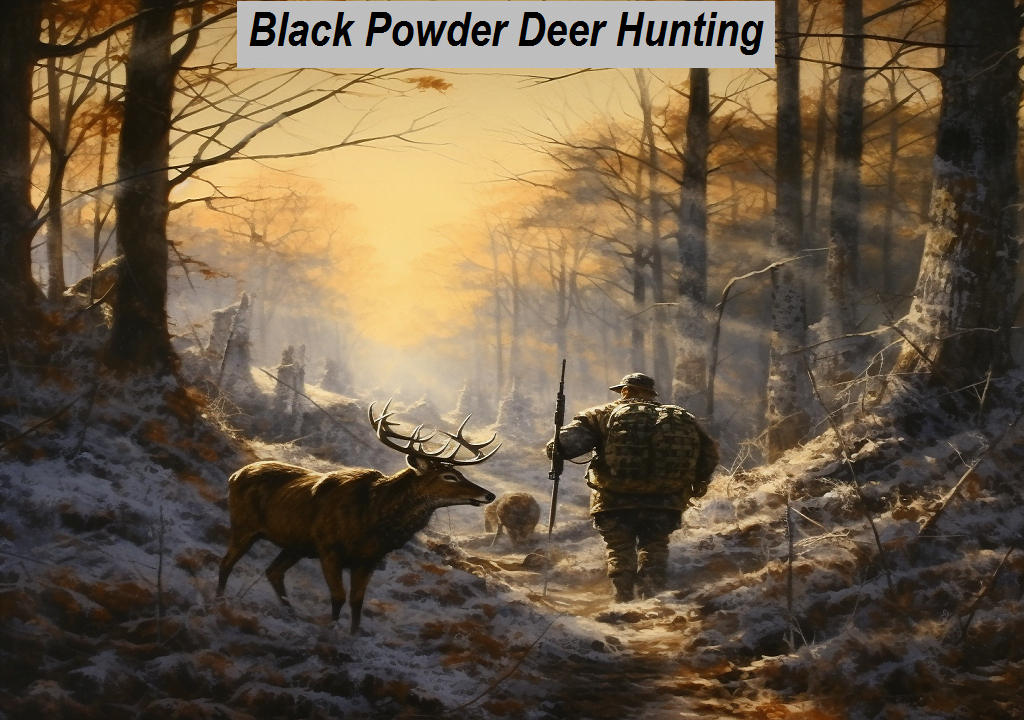
Black Powder Deer Hunting: The Call of Tradition in the Modern Wilderness

In the vast, evolving realm of deer hunting, there’s a special corner reserved for enthusiasts of black powder firearms. Delving into this niche brings a blend of tradition, challenge, and respect for the sport.

Table of contents

1. The Evolution of Black Powder

a. From Chinese Alchemists to European Battlefields

Originating in China and adopted by the Arabs, black powder later fueled Europe’s cannons and muskets. How did a quest for an elixir of immortality lead to gunpowder? That’s a tale for another day!

b. The Renaissance of Black Powder in Modern Times

While modern smokeless powders dominate the firearm industry, the romantic allure of billowing white smoke and the rich history of black powder weapons keep them alive in hunting circles.

2. Why Choose Black Powder?

a. Historical Connection

Every shot taken with a black powder firearm is a nod to history. It’s a tribute to pioneers, settlers, and soldiers who relied on this technology.

b. Embracing the Challenge

With slower reload times and a different shooting technique, black powder hunting is not for the faint-hearted. It’s about skill, patience, and mastery.

c. Ethical Hunting

The limited range and single-shot nature of many black powder firearms ensure hunters take only the most calculated, respectful shots.

3. Gearing Up: A Black Powder Checklist

a. Selecting Your Firearm

From the classic flintlock to the more modern percussion cap, each has its charm and challenges.

b. The Essentials: Powder, Patch, and Ball

Your projectile needs a snug fit and the right powder charge, a balance crucial for accuracy and safety.

c. The Importance of a Powder Horn

This traditional container is more than aesthetic; it’s functional, protecting your powder from moisture.

d. Safety First

When dealing with explosive materials, precautions like protective eyewear and handling procedures are a must.

4. Mastering the Technique

a. The Art of Loading

Loading a muzzleloader is an art. Too much or too little powder can significantly affect your shot.

b. Aiming with Tradition

Without the modern scopes, iron sights demand keen eyes and a steady hand.

c. The Unpredictable Ignition

Flintlocks, with their sparking mechanism, add an element of unpredictability, making every shot an adrenaline rush.

5. The Challenges and Joys of the Hunt

a. One Shot, One Opportunity

The philosophy here is quality over quantity. One well-placed shot can be more satisfying than a dozen with a modern rifle.

b. Weather’s Whims

Humidity and rain can play spoilsport. Adapting to these conditions is part of the game.

c. The Ritualistic Cleaning

Black powder guns require meticulous cleaning, but this ritual deepens the bond between the hunter and their weapon.

6. The Environment and Black Powder Hunting

a. Eco-Friendly Ammo

Lead balls can be harmful to the environment, but there are now eco-friendly alternatives available.

b. Managing Overpopulation

In areas where deer populations threaten the balance of the ecosystem, black powder hunting can play a role in maintaining harmony.

Conclusion

Black powder deer hunting offers an immersive experience unlike any other. Beyond the hunt, it’s about connecting with history, understanding the weapon, and respecting the wilderness.

FAQs

  1. Is black powder hunting safer than modern hunting?
    • Both have their risks. The key is understanding the equipment and following safety guidelines.
  2. How do I store black powder safely?
    • Store it in a cool, dry place away from sparks and open flames. Also, keep it out of children’s reach.
  3. Why does my flintlock misfire occasionally?
    • Flintlocks can be temperamental. It could be due to dampness, worn-out flint, or improper powder load.
  4. Is there a difference in taste with deer hunted using black powder?
    • No, the method of hunting doesn’t affect the taste. However, the cleaning and processing of the meat do.
  5. Can I hunt all game with black powder firearms?
    • While primarily used for deer, experienced hunters sometimes use them for larger or smaller game. However, always check local regulations.
Exit mobile version