Bows for Hunting: A Comprehensive Guide to Choosing the Right Weapon

Table of Contents

1. Introduction: The Art and Tradition of Bowhunting

Bowhunting is a time-honored tradition that requires skill, patience, and a deep connection with nature. Choosing the right bow is essential for a successful and ethical hunt. In this guide, we will explore different types of hunting bows, factors to consider when selecting a bow, accessories to enhance performance, proper maintenance and care, and answer common questions about bowhunting.

2. Understanding Different Types of Hunting Bows

Recurve Bows: Classic Design with Modern Applications

Recurve bows feature a traditional design characterized by their curved limbs that face away from the archer when the bow is unstrung. They offer simplicity, reliability, and versatility. Recurve bows are popular for traditional archery and are suitable for various hunting scenarios due to their maneuverability and ease of use.

Compound Bows: Power, Accuracy, and Technological Advancements

Compound bows are highly efficient and technologically advanced. They use a system of cables, pulleys, and cams to reduce the holding weight and provide a let-off, allowing the archer to hold the bow at full draw for longer periods. Compound bows offer increased accuracy, speed, and kinetic energy, making them popular among modern hunters.

Longbows: Traditional Elegance and Simplicity

Longbows are a timeless symbol of archery tradition. They feature a simple design with straight limbs and a distinctive “D” shape. Longbows require skill and practice to master but offer a smooth draw and a sense of connection with archery’s historical roots.

Crossbows: Speed, Precision, and Ease of Use

Crossbows are horizontally mounted bows that shoot bolts or quarrels. They are known for their ease of use and high accuracy. Crossbows offer significant draw weight and can generate high levels of kinetic energy, making them suitable for hunters with physical limitations or those seeking precise and powerful shots.

3. Factors to Consider When Selecting a Hunting Bow

Draw Weight: Finding the Right Balance

Draw weight refers to the force required to pull the bowstring back to a full draw. It is crucial to choose a bow with a draw weight that matches your physical capabilities and shooting preferences. Select a draw weight that allows you to maintain accuracy and shoot comfortably.

Draw Length: Personalization for Optimal Performance

Draw length is the distance from the bowstring at full draw to the grip of the bow. Choosing a bow with the correct draw length is essential for consistent accuracy and maximizing your shooting potential. Consult with a knowledgeable archery professional to determine your ideal draw length.

Axle-to-Axle Length: Maneuverability and Stability

Axle-to-axle length refers to the distance between the bow’s cams or wheels. Shorter bows offer increased maneuverability and are ideal for hunting in tight spaces, while longer bows provide enhanced stability and forgiveness. Consider your hunting environment and shooting style when selecting the axle-to-axle length.

Speed and Kinetic Energy: Balancing Power and Accuracy

Speed and kinetic energy determine the power and penetration capability of an arrow. Higher speed can be advantageous for longer shots and overcoming wind drift, while increased kinetic energy ensures sufficient arrow penetration. Balance speed and kinetic energy to meet your specific hunting needs.

Noise and Vibration: Stealthy Performance in the Field

Reducing noise and vibration is crucial for maintaining stealth in the field. Look for bows with advanced limb dampening systems, string silencers, and vibration-reducing accessories to minimize noise and improve shooting comfort.

4. Accessories and Features to Enhance Hunting Performance

Sights and Scopes: Aiming for Precision

Sights and scopes provide aiming references and increase accuracy. Choose a sight or scope that aligns with your shooting style and preferences. Consider adjustable pins, illuminated reticles, and magnification options to enhance your aiming capabilities.

Arrow Rests: Ensuring a Stable Launch

Arrow rests provide a platform for your arrow and ensure a consistent and stable launch. Choose a rest that matches your shooting style, whether it’s a basic whisker biscuit rest, a drop-away rest, or a containment rest. Proper arrow rest selection contributes to accuracy and arrow flight.

Stabilizers: Reducing Hand Torque and Vibration

Stabilizers attach to the bow and help balance the weight distribution, reduce hand torque, and minimize vibration upon release. Choose a stabilizer that suits your shooting style and preferences. Longer stabilizers can provide greater stability, while shorter ones offer increased maneuverability.

Broadheads: Choosing the Right Arrow Tips

When it comes to broadheads, they play a crucial role in ensuring a lethal and ethical shot with your arrow. It’s important to select broadheads that align with your hunting style, target species, and shooting preferences. There are two main types to consider: fixed-blade and mechanical broadheads. Additionally, factors like cutting diameter and blade sharpness should be taken into account for achieving effective and humane kills.

5. Proper Maintenance and Care for Hunting Bows

String Maintenance: Ensuring Optimal Performance

Regularly inspect and maintain your bowstring to ensure optimal performance and prevent premature wear. Clean the string, check for fraying or damage, and apply bowstring wax as needed. Following manufacturer guidelines for string maintenance will help extend its lifespan.

Bow Inspections: Identifying and Addressing Issues

Regularly inspect your bow for any signs of damage, loose components, or wear. Check limb bolts, cams, cables, and other parts for tightness and proper alignment. Address any issues promptly to maintain the safety and performance of your bow.

Storage and Transport: Protecting Your Investment

Proper storage and transportation are essential to protect your bow from damage and ensure its longevity. Use a quality bow case or bag to shield your bow from impacts, temperature changes, and moisture. Securely store your bow in a cool, dry place when not in use.

6. Frequently Asked Questions (FAQs)

1. Do I need a specific license or permit to hunt with a bow? Hunting regulations vary by location, so it is important to check the specific requirements and obtain the necessary licenses or permits for bowhunting in your area. Contact your local wildlife agency or conservation department for accurate and up-to-date information.

2. Can I use a compound bow for target shooting and hunting? Yes, compound bows are versatile and can be used for both target shooting and hunting. However, ensure that your bow meets the legal requirements and regulations for hunting in your area.

3. How often should I replace my bowstring? The lifespan of a bowstring depends on various factors, such as frequency of use, maintenance, and environmental conditions. On average, bowstrings should be replaced every two to three years or if signs of significant wear, fraying, or damage are observed. Regular inspection and maintenance will help determine when a bowstring needs replacement.

4. Can I customize my hunting bow with aftermarket accessories? Yes, many aftermarket accessories are available to customize your hunting bow. However, it is important to ensure that any modifications or additions comply with hunting regulations and do not compromise the safety and integrity of the bow.

7. Conclusion: Unleashing the Power and Precision of Bowhunting

Choosing the right bow is crucial for a successful and enjoyable hunting experience. Consider the type of bow that suits your shooting style, the factors to consider when selecting a hunting bow, and the accessories that enhance your performance. Proper maintenance and care will ensure that your hunting bow remains in top condition. With the right bow in hand and a skillful aim, you can unleash the power and precision of bowhunting to embark on thrilling and rewarding hunting adventures. Happy hunting!

What Animals Actively Hunt Humans: Understanding the Animal Kingdom

Table of Contents

1. Introduction: The Relationship between Humans and Wildlife

Humans have a complex relationship with wildlife, often characterized by admiration, fascination, and occasional conflict. While most wildlife species do not actively hunt humans, there are instances where encounters between humans and predatory animals can lead to dangerous situations. Understanding the behavior of these animals and learning how to minimize risks is crucial for promoting safe coexistence with wildlife.

2. Predatory Animals and Human Encounters

Apex Predators and Their Hunting Behavior

Apex predators, also known as top predators, hold the highest position in the food chain and play a vital role in maintaining ecosystem balance. These animals have adapted over generations to become highly efficient hunters. While their primary prey consists of other animals, there have been rare cases where interactions between humans and apex predators have occurred.

Potential Threats in Specific Environments

Certain environments, such as dense forests, open savannahs, or coastal areas, may have a higher likelihood of encounters between humans and predatory animals. Understanding the specific risks associated with these environments can help individuals take appropriate precautions and minimize potential threats.

3. Animal Species Known for Attacks on Humans

Sharks: The Misunderstood Predators

Sharks are often portrayed as dangerous creatures, but the number of unprovoked shark attacks on humans is relatively low compared to other risks in daily life. While some species of sharks are known to be aggressive, most attacks are cases of mistaken identity, where humans are not a natural prey for sharks.

Big Cats: The Elegance and Danger

Big cats, such as lions, tigers, and leopards, are powerful and stealthy hunters. While they primarily target their natural prey, conflicts between humans and big cats can occur in areas where their habitats overlap. Encounters are rare, but it is important to respect their space and take precautions when in their presence.

Crocodiles: Ancient Predators in Water

Crocodiles are ancient predators that inhabit rivers, lakes, and estuaries. They are well-adapted for hunting in water and can pose a threat to humans who enter their territory. Avoiding swimming in crocodile habitats and being cautious near water bodies where they are known to reside is essential for reducing the risk of encounters.

Bears: Powerful Creatures with Potential Risks

Bears are impressive creatures found in various habitats worldwide. While they are generally elusive, certain species, such as grizzly bears and polar bears, can become aggressive if they feel threatened or encounter humans near their food sources or cubs. Understanding bear behavior, using proper food storage techniques, and following bear safety guidelines can mitigate risks.

Venomous Snakes: Stealthy Hunters with Deadly Venom

Venomous snakes are found in many regions around the world and have evolved venom as a means of capturing prey. While snake bites on humans are relatively rare, it is important to exercise caution and be aware of venomous snakes in your area. Learning to identify venomous snakes and practicing safe hiking and camping habits can help minimize the risk of snake encounters.

Wolves: Highly Adaptive Predators

Wolves are social predators known for their cooperative hunting strategies. While wolf attacks on humans are extremely rare, it is important to understand their behavior and take precautions when venturing into wolf territories. Respecting their space, keeping pets under control, and avoiding behaviors that may attract wolves can reduce the likelihood of encounters.

4. Understanding Animal Behavior and Reducing Risks

Avoiding Encounters and Respecting Wildlife

The best way to reduce the risk of animal attacks is to avoid encounters in the first place. This includes maintaining a safe distance from wild animals, observing them from a distance, and refraining from approaching or feeding them. It is crucial to respect wildlife and their natural habitats.

Proper Food Storage and Waste Disposal

Proper food storage and waste disposal practices are essential when spending time in nature. This helps prevent attracting wildlife to human campsites, reducing the chances of negative interactions. Use bear-resistant containers, hang food from trees, or follow specific guidelines provided by local authorities to minimize attractants.

Educating Yourself on Local Wildlife

Understanding the behavior, habitat, and specific risks associated with local wildlife is key to minimizing the potential for conflicts. Research the wildlife species present in the areas you plan to visit and familiarize yourself with any specific safety recommendations or guidelines provided by wildlife agencies or local authorities.

5. Frequently Asked Questions (FAQs)

1. Are attacks by predatory animals on humans common? Attacks by predatory animals on humans are relatively rare compared to other risks in daily life. However, it is important to be aware of potential risks and take precautions when in wildlife habitats.

2. Can humans defend themselves during an animal attack? Self-defense during an animal attack can vary depending on the situation and the species involved. It is crucial to remain calm, avoid making sudden movements, and follow recommended guidelines for the specific animal encountered.

3. Should I carry weapons for protection against wildlife? Carrying weapons for protection against wildlife is generally not recommended. Instead, focus on preventive measures such as understanding animal behavior, maintaining distance, and respecting their territory.

4. How can I report wildlife encounters or potentially dangerous situations? Contact your local wildlife agency or authorities to report wildlife encounters or potentially dangerous situations. They can provide guidance, collect information, and take appropriate action if necessary.

6. Conclusion: Coexisting with Wildlife Safely and Responsibly

While instances of animals actively hunting humans are rare, it is important to be aware of potential risks and take necessary precautions when venturing into wildlife habitats. By understanding animal behavior, respecting their space, and following recommended safety guidelines, we can promote safe coexistence with wildlife. Appreciating the beauty of the animal kingdom while minimizing risks ensures a harmonious relationship between humans and the natural world.

How to Ask for Hunting Permission: A Guide to Seeking Access to Private Land

Table of Contents

1. Introduction: The Importance of Seeking Hunting Permission

When it comes to hunting on private land, seeking permission from landowners is not only respectful but also essential for gaining access to desirable hunting areas. By obtaining permission, you showcase your dedication to ethical hunting practices, responsible land stewardship, and fostering positive relationships with landowners. Within this guide, we will delve into the process of requesting hunting permission. This includes researching potential hunting opportunities, approaching landowners with respect and consideration, and nurturing strong landowner relations to ensure long-term access.

2. Researching Potential Hunting Opportunities

Identifying Suitable Hunting Areas

Before approaching landowners, it’s important to identify suitable hunting areas that align with your hunting goals and target species. Research public lands, wildlife management areas, and hunting clubs in your region. Use topographic maps, satellite imagery, and online resources to locate areas with diverse habitat, abundant wildlife populations, and legal hunting opportunities.

Researching Landowners and Properties

Once you have identified potential hunting areas, gather information about the landowners and their properties. This can be done through online property records, county tax assessor’s office, or local hunting forums. Understanding who owns the land and their contact information will help you in the next step of approaching them for permission.

Understanding Hunting Regulations and Seasons

To ensure compliance with hunting regulations, it’s essential to familiarize yourself with the specific rules and seasons of your target area. Different regions have distinct regulations, such as bag limits, permitted hunting methods, and designated seasons for various game species. By adhering to these regulations, you demonstrate a commitment to responsible hunting practices. Additionally, it conveys your understanding of the local laws governing hunting, which can build rapport with landowners and show respect for their property.

3. Approaching Landowners with Respect and Consideration

Introducing Yourself and Building a Connection

When approaching landowners for hunting permission, it is important to introduce yourself in a respectful and courteous manner. Write a formal letter or make a phone call to express your interest in hunting on their property. Introduce yourself, provide a brief background about your hunting experience, and explain why you are interested in their land specifically. Personalize the conversation by mentioning any shared interests or connections, such as a love for the outdoors or a mutual acquaintance.

Expressing Your Interest in Responsible Hunting

To assure the landowner, it is essential to convey your responsibility and ethical approach as a hunter. Begin by explaining your commitment to adhering to hunting regulations, practicing safe firearm handling, and respecting their property and wildlife. Additionally, emphasize your dedication to conservation, land stewardship, and the principle of leaving the land in better condition. By highlighting any previous hunting experiences or successes, you can further demonstrate your responsible hunting practices and reinforce your credibility.

Addressing Concerns and Offering Benefits

Acknowledge any concerns the landowner may have regarding liability, property damage, or interference with other activities on their land. Offer to sign liability waivers, provide proof of insurance, or contribute to property maintenance efforts. Emphasize the benefits of allowing hunting, such as population control of game species, reduction of crop damage, or increased surveillance against trespassers.

4. Presenting Yourself as a Responsible and Trustworthy Hunter

Highlighting Your Experience and Skills

When asking for hunting permission, it’s important to showcase your hunting experience and skills. Provide details about your hunting background, including the number of years you have been hunting, the game species you have pursued, and any relevant certifications or training you have received. Discuss any hunting clubs or organizations you are a part of, as well as any previous landowner references who can vouch for your responsible hunting practices.

Providing References and Recommendations

If possible, provide references from other landowners or hunters who can speak to your responsible hunting behavior. A positive recommendation can significantly increase your chances of obtaining permission. Seek recommendations from individuals who can vouch for your ethical practices, respect for property boundaries, and positive contributions to the hunting community.

Demonstrating Respect for Property and Wildlife

Ensure that you communicate to the landowner your dedication to treating their property with the utmost respect. Emphasize the importance of respecting boundaries, fences, and posted signs, and complying with any specific rules or restrictions they may have in place. Highlight your unwavering commitment to ethical hunting practices, such as responsibly harvesting game, minimizing disturbance to wildlife, and leaving the land in a clean and undisturbed state.

5. Following up and Maintaining Good Landowner Relations

Expressing Gratitude for Permission Granted

If a landowner grants you permission to hunt on their property, it is essential to express your gratitude. Send a handwritten thank-you note or make a personal phone call to thank them for the opportunity. Express your appreciation for their trust and assure them that you will uphold the responsibilities associated with hunting on their land.

Providing Updates and Sharing Harvest Information

Maintain good communication with the landowner throughout the hunting season. Provide periodic updates on your hunting activities, including any significant observations or encounters with wildlife. If you are successful in harvesting game, share the details of your harvest and express your gratitude for the opportunity to enjoy the bounty of their land.

Offering Assistance and Building Long-Term Relationships

Go above and beyond by offering assistance to the landowner. Offer to help with property maintenance, such as clearing trails, repairing fences, or managing invasive species. Building a positive and long-term relationship with the landowner can lead to continued hunting access and the possibility of additional hunting opportunities in the future.

6. Frequently Asked Questions (FAQs)

1. Is it legal to hunt on private land without permission?
Ans. No, hunting on private land without permission is illegal and unethical. Always seek permission from landowners before hunting on their property to ensure compliance with the law and to maintain respectful relationships.

2. How can I increase my chances of obtaining hunting permission?
Ans. Increasing your chances of obtaining hunting permission involves presenting yourself as a responsible and trustworthy hunter. Highlight your hunting experience, provide references, and demonstrate your commitment to ethical hunting practices and land stewardship.

3. Should I offer to pay for hunting permission?
Ans. The decision to offer payment for hunting permission is subjective and depends on individual circumstances. In some cases, landowners may appreciate a small fee to help cover property expenses or wildlife management efforts. However, it is important to respect landowners who decline payment and focus on building a mutually beneficial relationship based on trust and respect.

4. What if a landowner denies my request for hunting permission?
Ans. Respect the landowner’s decision and thank them for their time. If possible, ask if there are any specific reasons for the denial and if there are any future opportunities for consideration. Be gracious and continue seeking hunting permission elsewhere.

5. Can I bring guests when I have permission to hunt on private land?
Ans. Bringing guests when hunting on private land should be done with the landowner’s permission. Ensure that all guests adhere to the landowner’s rules and regulations and demonstrate responsible hunting practices.

7. Conclusion: Seeking Permission with Courtesy and Respect

Asking for hunting permission is an important step in gaining access to private land and enjoying meaningful hunting experiences. By conducting thorough research, approaching landowners with respect and consideration, and presenting yourself as a responsible and trustworthy hunter, you increase your chances of obtaining permission. Remember to express gratitude, maintain good communication, and offer assistance to build long-term relationships with landowners. By seeking permission with courtesy and respect, you contribute to the positive reputation of hunters and foster a sense of stewardship for our hunting heritage. Happy hunting!

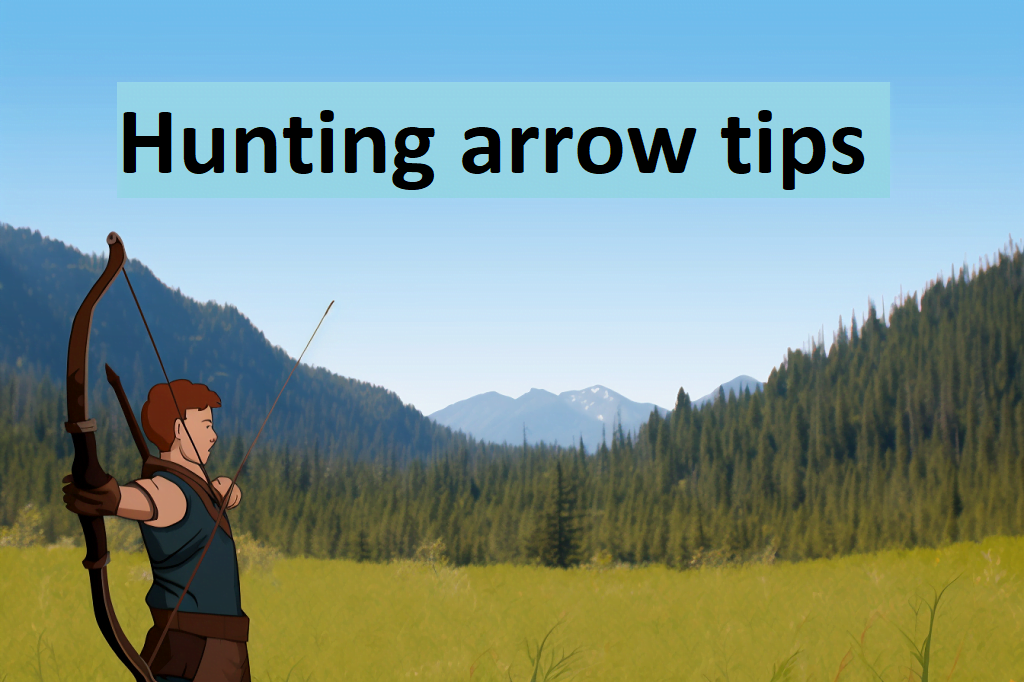
Hunting Arrow Tips: Choosing the Right Broadheads for Successful Hunts

Table of Contents

1. Introduction: The Importance of Choosing the Right Arrow Tips

When it comes to bowhunting, selecting the right arrow tips, or broadheads, is crucial for successful and ethical hunts. Broadheads are responsible for delivering lethal and humane shots by penetrating vital organs and causing efficient blood loss. In this guide, we will explore the different types of broadheads, factors to consider when selecting hunting arrow tips, specialty broadheads for specific hunting situations, and maintenance tips to ensure their effectiveness.

2. Understanding Broadheads: Types and Designs

Fixed-Blade Broadheads

Fixed-blade broadheads feature blades that are permanently fixed in position. They are known for their simplicity and reliability. Fixed-blade broadheads provide excellent penetration and are less prone to mechanical failures. They are particularly effective for hunting larger game and in situations where bone contact is likely.

Mechanical Broadheads

Mechanical broadheads, also known as expandable or “mech” broadheads, have blades that remain folded during flight and deploy upon impact. These broadheads offer a streamlined profile and increased accuracy at longer distances. The expanded cutting diameter upon impact delivers larger wound channels and increased blood loss. However, mechanical broadheads may be less reliable in situations involving heavy bone contact or when shooting at steeper angles.

Hybrid Broadheads

Hybrid broadheads combine features of both fixed-blade and mechanical broadheads. They typically feature mechanical deployment with fixed or semi-fixed blades. Hybrid broadheads offer a balance between reliability and increased cutting diameter, making them versatile for a wide range of hunting scenarios.

3. Considerations for Selecting Hunting Arrow Tips

Game Size and Hunting Style

Consider the size of the game you will be hunting and your preferred hunting style. For larger game such as elk or bear, fixed-blade broadheads may offer greater penetration and reliability. For smaller game or precision shots, mechanical or hybrid broadheads with larger cutting diameters can be effective.

Penetration and Cutting Diameter

The ability of an arrow tip to penetrate effectively and create a sufficient wound channel is critical. Look for broadheads with sharp and sturdy blades that offer a balance between cutting diameter and penetration. A larger cutting diameter can increase blood loss and enhance tracking, but it may sacrifice some penetration.

Blade Sharpness and Replaceability

Ensuring blade sharpness is crucial for clean and ethical kills. When selecting broadheads, it’s important to choose ones with razor-sharp blades right out of the package or those that can be easily sharpened. Additionally, considering broadheads with replaceable blades can guarantee ongoing effectiveness and offer added convenience.

Flight Stability and Accuracy

Select broadheads that are compatible with your bow setup and offer good flight stability. Some broadheads have specific requirements for arrow spine, weight, or bow speed. Testing different broadheads and tuning your bow accordingly can help achieve optimal accuracy and flight stability.

4. Specialty Broadheads for Specific Hunting Situations

Expandable Broadheads for Whitetail Deer

Expandable broadheads with larger cutting diameters are popular for hunting whitetail deer. They deliver devastating wound channels and maximize blood loss, making tracking easier. Choose expandable broadheads that are designed to open reliably and have a strong locking mechanism.

Deep-Penetrating Broadheads for Big Game

When hunting larger game such as elk or moose, deep-penetrating broadheads are advantageous. Look for fixed-blade broadheads with sturdy construction, high-quality steel, and chisel-point tips. These broadheads offer excellent penetration and are designed to break through tough hide and bone.

Turkey Broadheads for Precision Shots

Turkey hunting requires precise shots to target vital areas. Specialized turkey broadheads feature small cutting diameters and sharp tips for accurate shots. Look for broadheads with reduced noise and vibration to avoid spooking the cautious turkeys.

Small Game Broadheads for Small Animals

When hunting small game such as rabbits or squirrels, specialized small game broadheads are ideal. These broadheads have smaller cutting diameters and are designed to prevent excessive damage to the game. Look for broadheads with blunt or judo points to minimize arrow penetration and increase safety.

5. Maintenance and Care for Hunting Arrow Tips

Blade Sharpening and Replacement

Regularly inspect and sharpen the blades of your broadheads to ensure optimal cutting performance. Use a sharpening stone or a dedicated blade sharpener following the manufacturer’s instructions. Replace blades that are dull, damaged, or bent to maintain effectiveness.

Storage and Transport

Store your hunting arrow tips in a secure and organized manner to prevent damage. Consider using a broadhead storage box or case to protect the blades and prevent accidental injuries. During transport, use blade covers or arrow quivers specifically designed for broadhead protection.

Inspecting and Testing Arrow Tips

Before each hunting season or outing, inspect your arrow tips for any signs of damage or wear. Check for bent or loose blades, cracks in the ferrule, or any other visible defects. Test the accuracy and flight stability of your broadheads through practice shots to ensure they perform as expected.

6. Frequently Asked Questions (FAQs)

1. How many broadheads should I carry while hunting?
Ans: It is recommended to carry multiple broadheads as backups in case of any damage or loss. Carrying at least three to six broadheads is a good practice, ensuring you have replacements readily available.

2. Can I reuse broadheads after a successful hunt?
Ans: The ability to reuse broadheads depends on their condition after the shot. Inspect the blades for any damage, bending, or dullness. If the broadheads are in good condition, they can be resharpened and reused. However, it’s important to ensure they maintain their original integrity for reliable performance.

3. Should I practice with my hunting broadheads?
Ans: Yes, it is highly recommended to practice with the same broadheads you will be using for hunting. This allows you to familiarize yourself with their flight characteristics, accuracy, and point of impact, ensuring optimal performance in the field.

4. Are there any legal restrictions on broadheads in certain areas?
Ans: Some areas may have specific regulations regarding the use of certain types of broadheads. It is essential to check local hunting regulations to ensure compliance with any restrictions or requirements regarding broadhead design, blade size, or mechanical deployment.

7. Conclusion: Make the Right Choice for Effective Hunting

Choosing the right arrow tips, or broadheads, is a critical decision for bowhunters. Consider factors such as game size, hunting style, penetration, cutting diameter, blade sharpness, and flight stability when selecting broadheads. Specialized broadheads exist for specific hunting situations, so choose accordingly. Proper maintenance, including blade sharpening, storage, and regular inspection, ensures the ongoing effectiveness of your hunting arrow tips. With the right broadheads in your quiver, you can increase your chances of a successful and ethical hunt. Happy hunting!

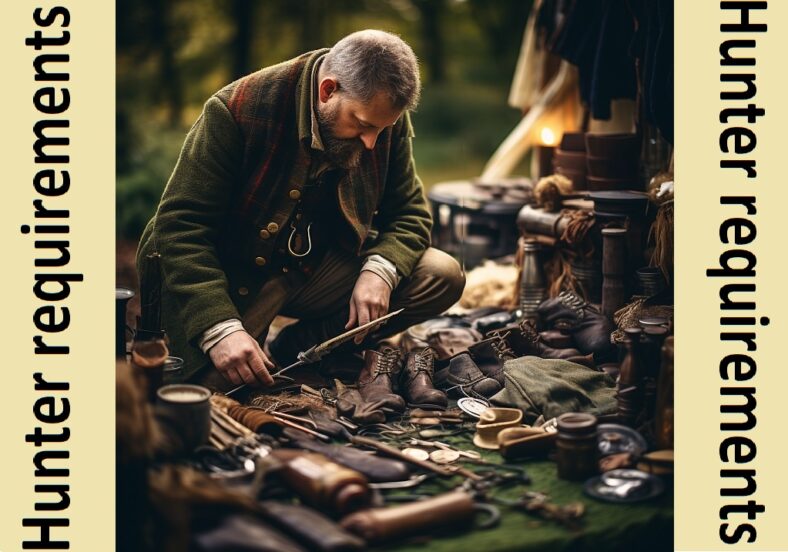
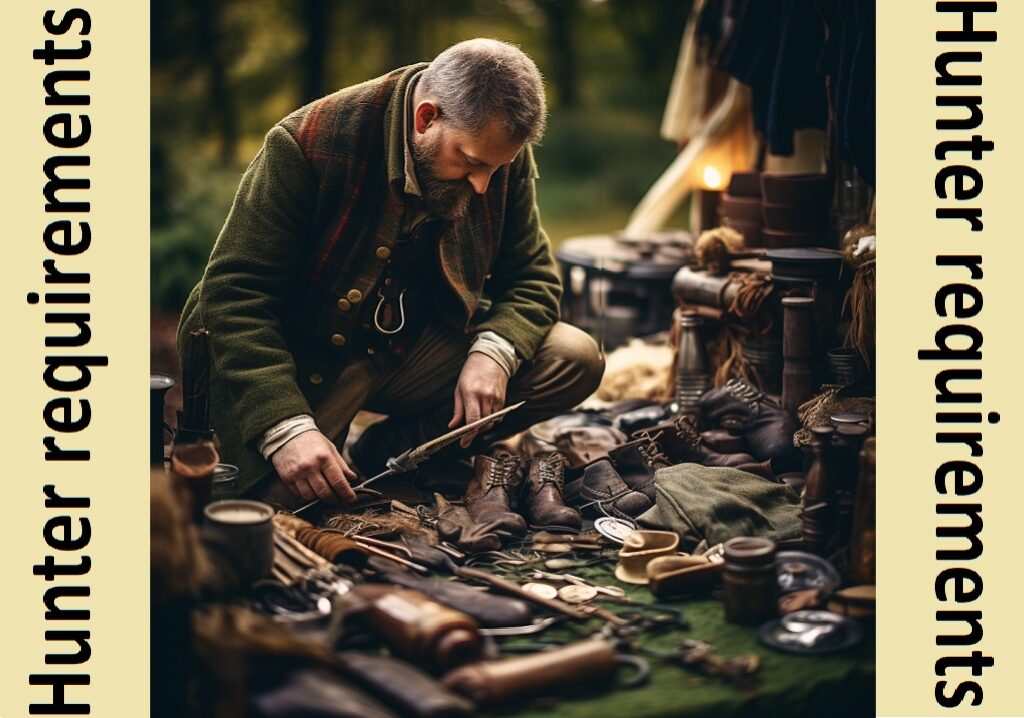
Hunter Requirements: What You Need to Know Before Heading into the Field

Table of Contents

1. Introduction: Embracing the World of Hunting

Hunting is a centuries-old tradition that allows individuals to connect with nature, experience the thrill of the chase, and provide sustenance for themselves and their families. However, before venturing into the field, it’s important to understand the requirements and responsibilities of being a hunter. In this comprehensive guide, we will explore the essential hunter requirements, covering topics such as hunter education, licensing, skills, ethical practices, and safety measures. By familiarizing yourself with these requirements, you can embark on your hunting journey with confidence and respect for both the wildlife and the environment.

2. Understanding Hunter Education and Licensing

The Importance of Hunter Education

Hunter education programs play a vital role in ensuring the safety and ethical practices of hunters. These programs provide comprehensive training on topics such as firearms safety, hunting regulations, wildlife conservation, and outdoor ethics. Participating in hunter education courses not only enhances your knowledge and skills but also instills a sense of responsibility and respect for the hunting tradition.

Obtaining Hunting Licenses and Permits

Before heading into the field, it is essential to obtain the necessary hunting licenses and permits as required by your state or local regulations. Hunting licenses are typically issued by wildlife agencies and are specific to the type of game you intend to hunt and the hunting season. In addition to licenses, some species may require specific tags or permits. Research your state’s hunting regulations to ensure compliance and to obtain the appropriate licenses and permits.

Understanding Local Regulations

Each state and locality has specific hunting regulations that must be followed. These regulations include hunting seasons, bag limits (the number of animals you are allowed to harvest), specific hunting zones or areas, and weapon restrictions. It is crucial to familiarize yourself with these regulations to ensure legal and responsible hunting practices. State wildlife agencies or local hunting organizations can provide you with the necessary information.

3. Essential Skills and Knowledge for Hunters

Firearms Safety and Handling

If you plan to hunt with firearms, it is essential to prioritize firearms safety and handling. This includes understanding the basic principles of firearm safety, such as always treating a firearm as if it is loaded, keeping your finger off the trigger until ready to shoot, and pointing the muzzle in a safe direction. Familiarize yourself with the operation and safety features of your firearm, and practice proper shooting techniques regularly. Taking a firearms safety course can provide valuable knowledge and ensure safe and responsible firearm use in the field.

Archery Skills and Equipment

For hunters using bows and arrows, developing archery skills is crucial. This involves practicing proper shooting form, accuracy, and effective shot placement. Mastering these skills takes time and consistent practice. Additionally, it’s important to select the appropriate archery equipment, such as bows, arrows, broadheads, and accessories, that are suitable for your hunting goals and comply with local regulations.

Navigation and Outdoor Skills

Being proficient in navigation and outdoor skills is essential for a successful hunting experience. Develop your ability to read maps and use a compass or GPS device to navigate unfamiliar terrain. Learn about natural landmarks, topographical features, and tracking skills to help you locate game and find your way back to your starting point. Outdoor skills such as shelter building, fire starting, and basic first aid can also come in handy during hunting expeditions.

4. Ethical Hunting Practices

Conservation and Wildlife Management

Ethical hunting practices involve a deep respect for wildlife and the environment. Understanding the principles of conservation and wildlife management is crucial. Hunters contribute to conservation efforts through the purchase of hunting licenses and permits, which fund conservation projects and wildlife management initiatives. It is important to support and participate in sustainable hunting practices that ensure the long-term health and balance of ecosystems.

Respecting Private and Public Lands

Respecting private and public lands is essential for responsible hunting. Obtain proper permissions from landowners before hunting on private property, and always adhere to their specific rules and regulations. When hunting on public lands, familiarize yourself with the rules and regulations set forth by the managing agency. Practice leave-no-trace principles, respect wildlife habitats, and do not damage or disturb the natural environment.

Proper Game Handling and Field Dressing

Proper game handling and field dressing are essential for both ethical and practical reasons. Learn the proper techniques for field dressing and handling game in the field. This includes quickly and efficiently field dressing the harvested animal to ensure the preservation of meat quality and to prevent spoilage. Additionally, properly dispose of any remains or carcasses in accordance with local regulations and ethical practices.

5. Safety Measures in Hunting

Personal Safety Equipment

Ensuring personal safety should be a top priority in hunting. Always wear appropriate safety equipment, including hunter orange or blaze clothing to increase visibility to other hunters. Use hearing protection when shooting firearms, especially in enclosed spaces or during prolonged exposure to loud noises. Consider wearing a hunter’s safety harness when hunting from elevated positions or using tree stands.

Hunting in Groups or Solo

Deciding whether to hunt in groups or solo depends on personal preference and the type of game being pursued. Hunting in groups can enhance safety by providing additional support and assistance. It also allows for shared experiences and camaraderie. However, if hunting alone, inform someone about your hunting plans, including your intended location and expected return time. Establish regular check-ins or carry a reliable means of communication, such as a cell phone or two-way radio, in case of emergencies.

Handling Hunting Accidents and Emergencies

In the unfortunate event of a hunting accident or emergency, knowing how to respond can be lifesaving. Carry a well-stocked first aid kit and be trained in basic first aid and CPR. Familiarize yourself with emergency contact numbers and the nearest medical facilities to your hunting location. Always prioritize personal safety and take appropriate actions to address emergencies promptly and effectively.

6. Frequently Asked Questions (FAQs)

1. Do I need a hunting license if I only plan to hunt on private property? Yes, in most cases, a hunting license is required regardless of whether you hunt on private or public land. Hunting licenses are typically issued by the state wildlife agency and are necessary to comply with local regulations.

2. Can I hunt without completing a hunter education course? Some states may allow individuals to hunt under the direct supervision of a licensed adult without completing a hunter education course. However, it is highly recommended to complete a hunter education course to ensure safety, ethical practices, and a better understanding of hunting regulations.

3. Are there age restrictions for obtaining a hunting license? Age restrictions for obtaining a hunting license vary by state. Many states offer apprentice or mentor programs that allow individuals of all ages to hunt under the supervision of a licensed adult before completing a hunter education course.

4. Can I hunt in multiple states with a single hunting license? No, hunting licenses are typically issued by individual states and are valid only within that specific state. If you plan to hunt in multiple states, you will need to obtain the appropriate licenses or permits for each state.

5. Can I hunt without owning firearms or archery equipment? Yes, you can participate in hunting without owning firearms or archery equipment. Many areas offer hunting opportunities through guided hunts or hunting leases, where equipment is provided. Additionally, some states offer programs that allow individuals to borrow firearms or archery equipment for hunting purposes.

7. Conclusion: Step into the World of Hunting with Confidence

Becoming a hunter comes with responsibilities and requirements that ensure safety, ethical practices, and respect for wildlife and the environment. By understanding the importance of hunter education, obtaining the necessary licenses, and developing essential skills and knowledge, you can embark on your hunting journey with confidence. Remember to prioritize safety, practice ethical hunting practices, and contribute to wildlife conservation efforts. Embrace the adventure, respect the traditions, and immerse yourself in the rewarding world of hunting. Happy hunting!

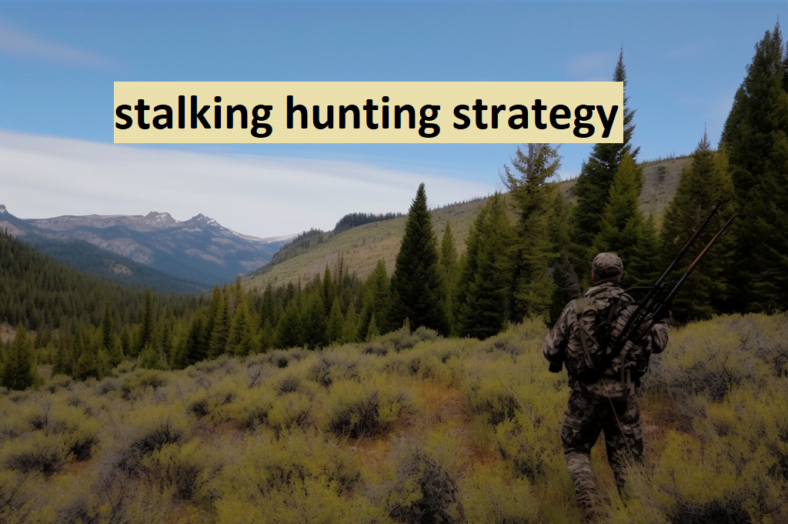
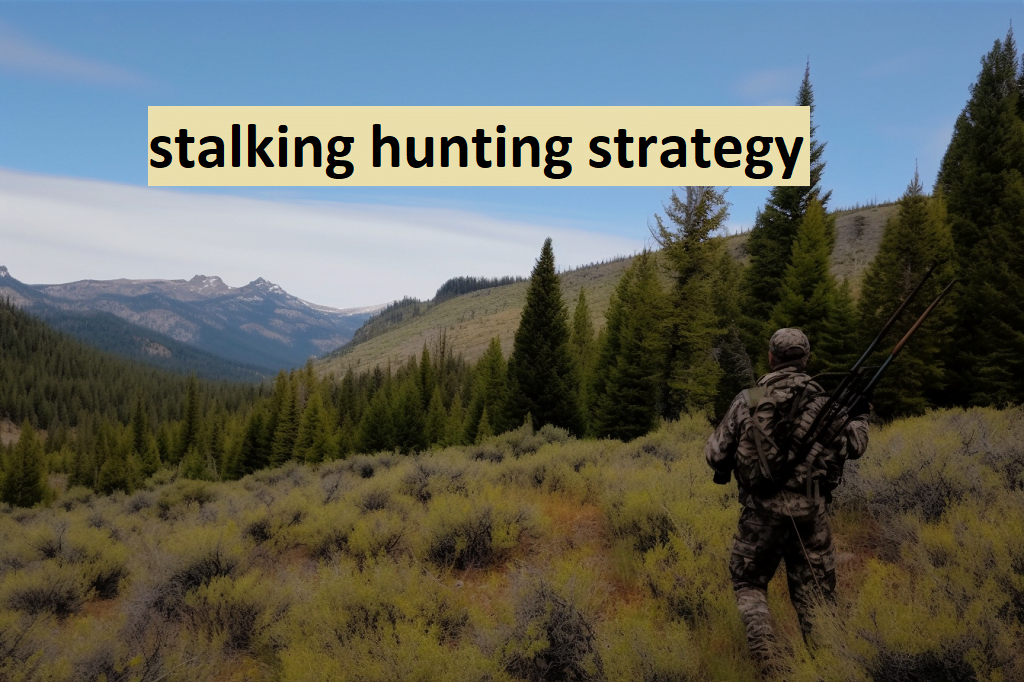
Stalking Hunting Strategy: Mastering the Art of Stealth and Precision

Table of Contents

1. Introduction: The Thrill of Stalking Hunting

Stalking hunting is an exhilarating and challenging pursuit that tests your skills as a hunter and connects you intimately with the natural environment. Unlike stand hunting or ambush techniques, stalking requires you to become a master of stealth, observation, and precise decision-making. In this comprehensive guide, we will explore the art of stalking hunting, delving into the strategy, techniques, and preparations necessary to become a successful stalker. Get ready to immerse yourself in the thrill of the hunt.

2. Understanding the Stalking Hunting Strategy

The Essence of Stalking Hunting

Stalking hunting involves silently approaching game animals on foot, blending in with the surroundings, and closing the distance for a well-placed shot. It requires a deep understanding of animal behavior, mastery of stealthy movement, and the ability to make split-second decisions in dynamic hunting situations. Stalking hunting puts you in direct contact with nature, challenging your skills and providing a unique and immersive hunting experience.

Advantages and Challenges of Stalking

Stalking hunting offers several advantages and challenges compared to other hunting strategies. On the positive side, stalking allows you to actively engage in the hunt, relying on your skills rather than waiting for game to come to you. It enables you to explore new areas, adapt to changing conditions, and utilize your surroundings to your advantage. However, stalking requires exceptional stealth, patience, and a deep understanding of animal behavior, making it a challenging and demanding technique to master.

Developing Stealth and Observation Skills

To excel in stalking hunting, it is crucial to develop stealth and observation skills. Practicing silent movement techniques, learning to blend with your surroundings, and honing your ability to read animal behavior and patterns are essential. Spend time in nature, observing animal movements, tracks, and sign. By becoming attuned to the subtleties of the environment, you can enhance your stalking abilities and increase your chances of a successful hunt.

3. Preparing for a Stalking Hunt

Choosing the Right Hunting Location

Selecting the right hunting location is crucial for a successful stalking hunt. Research potential hunting areas that offer suitable habitats for your target species. Look for areas with diverse cover, water sources, and food availability. Study maps, consult with local experts, and spend time scouting the terrain to identify potential game trails and bedding areas. By understanding the landscape and animal behavior, you can plan your stalks more effectively.

Gear and Equipment for Stalking

When it comes to gear and equipment for stalking hunting, lightweight and minimalistic setups are ideal. Opt for camouflage clothing that matches the environment and provides adequate concealment. Use gear that minimizes noise, such as quiet boots and silent backpacks. Consider using a compact and maneuverable firearm or a bow that allows for quick and accurate shots in close quarters. Carry essential items like water, snacks, navigation tools, and a field dressing kit.

Understanding Animal Behavior and Patterns

Before embarking on a stalking hunt, study the behavior and patterns of the game animal you are pursuing. Learn about their feeding habits, preferred routes, and preferred times of activity. Observe their tracks, scat, and other signs to understand their movement patterns. This knowledge will help you anticipate their behavior and position yourself for a successful stalk.

4. Stalking Techniques and Approaches

Moving with Stealth and Silence

One of the key elements of stalking hunting is moving with stealth and silence. Take slow and deliberate steps, placing your feet carefully to avoid twigs and branches that could betray your presence. Control your breathing and move in sync with your surroundings, utilizing natural sounds and distractions to mask your noise. Be patient, take your time, and be ready to freeze at a moment’s notice when the animal’s attention is focused elsewhere.

Utilizing Natural Cover and Terrain

Utilizing natural cover and terrain is essential in stalking hunting. Use vegetation, trees, rocks, and topographical features to your advantage, staying concealed and blending into your surroundings. Move from one cover to another, utilizing shadows, dips, and slopes to break up your silhouette and avoid detection. By staying hidden and utilizing the available terrain, you can get closer to your target without alerting them.

Patience and Timing in Stalking

Patience and timing are critical aspects of stalking hunting. Observe the animal’s behavior, noting moments of distraction or when they are engaged in feeding or grooming. Time your movements to coincide with these moments, taking advantage of their reduced alertness. Exercise patience and be prepared to wait for the right opportunity to make your move. Rushing can lead to mistakes and premature detection, jeopardizing your chances of a successful stalk.

5. Stalking Hunting Tips for Success

Proper Camouflage and Scent Control

Proper camouflage and scent control are paramount in stalking hunting. Choose camouflage patterns that match your hunting environment, ensuring you blend in seamlessly with your surroundings. Use scent control products, such as scent-neutralizing sprays and clothing, to minimize human odor. Pay attention to wind direction, always positioning yourself downwind of the animal to avoid being detected by their keen sense of smell.

Reading Sign and Tracks

Reading sign and tracks is a crucial skill in stalking hunting. Learn to interpret animal tracks, scat, and other signs to understand their movements and behavior. Fresh tracks indicate recent activity, providing clues to the animal’s presence and direction of travel. By reading sign, you can adjust your stalking strategy and increase your chances of encountering game.

Shot Placement and Ethical Hunting

Ethical hunting and proper shot placement are essential in stalking hunting. Ensure you have a clear and ethical shot before taking it. Familiarize yourself with the anatomy of the game animal you are targeting, understanding the vital organs and effective shooting angles. Practice shooting from different positions and angles to enhance your accuracy and confidence in the field.

6. Safety Considerations in Stalking Hunting

Firearm Safety and Muzzle Control

Safety should always be the top priority in stalking hunting. Treat every firearm as if it is loaded, keep your finger off the trigger until ready to shoot, and always point the muzzle in a safe direction. Be aware of your surroundings and fellow hunters, maintaining proper muzzle control at all times. Ensure you have a clear and safe shooting lane before taking a shot.

Navigation and Communication

When stalking hunting, it’s important to have a clear understanding of your hunting area and maintain good navigation skills. Carry a compass, map, or GPS device to navigate the terrain and mark important locations. Additionally, establish a communication plan with a hunting partner or let someone know about your hunting plans, including your intended hunting area, expected return time, and emergency contact information.

Hunting with a Partner

Stalking hunting can be challenging and unpredictable. Consider hunting with a partner, especially in unfamiliar or remote areas. Having a hunting partner enhances safety by providing an extra set of eyes and ears, assisting in tracking wounded game, and providing support in case of emergencies. It also allows for shared experiences and camaraderie in the field.

7. Frequently Asked Questions (FAQs)

1. Can stalking hunting be done with a bow? Yes, stalking hunting can be effectively done with a bow. However, it requires additional stealth, practice, and close-range shooting skills. Archery equipment allows for a silent and up-close approach, making it suitable for stalking strategies.

2. How close do I need to get to the game animal for a shot? The ideal shooting distance will depend on various factors, including the terrain, cover, and your proficiency as a shooter. In general, stalkers aim for distances of 50 yards or less to ensure accurate and ethical shots.

3. What are the best times of day for stalking hunting? Stalking hunting can be done throughout the day, but the golden hours of dawn and dusk are often preferred. During these periods, animals are more active, providing better opportunities for stalking.

4. Is it possible to stalk hunt in dense vegetation or thick forests? Stalking in dense vegetation or thick forests presents additional challenges, but it is still possible. Adjust your approach to utilize available cover, move slowly and quietly, and take advantage of openings or game trails within the terrain.

5. How can I improve my stalking skills? Improving stalking skills requires practice, observation, and patience. Spend time in the field, practicing stealthy movement and studying animal behavior. Take advantage of local hunting or tracking courses to enhance your skills and gain valuable knowledge.

8. Conclusion: Embark on the Thrilling Journey of Stalking Hunting

Stalking hunting is a pursuit that demands skill, patience, and a deep connection with nature. It allows you to intimately experience the environment, testing your abilities as a hunter and observer. By mastering the art of stealth, understanding animal behavior, and making well-timed decisions, you can immerse yourself in the thrill of stalking hunting. Embrace the challenge, embrace the adventure, and embark on a journey that will heighten your hunting skills and deepen your appreciation for the natural world. Happy stalking hunting!

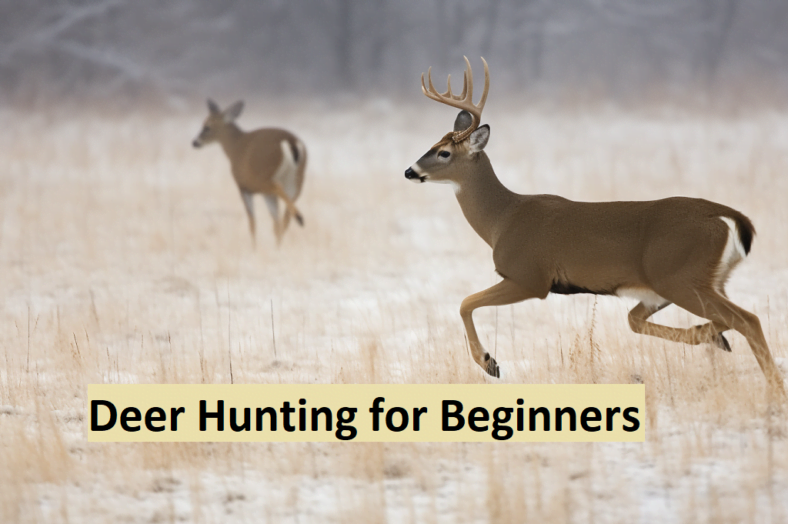
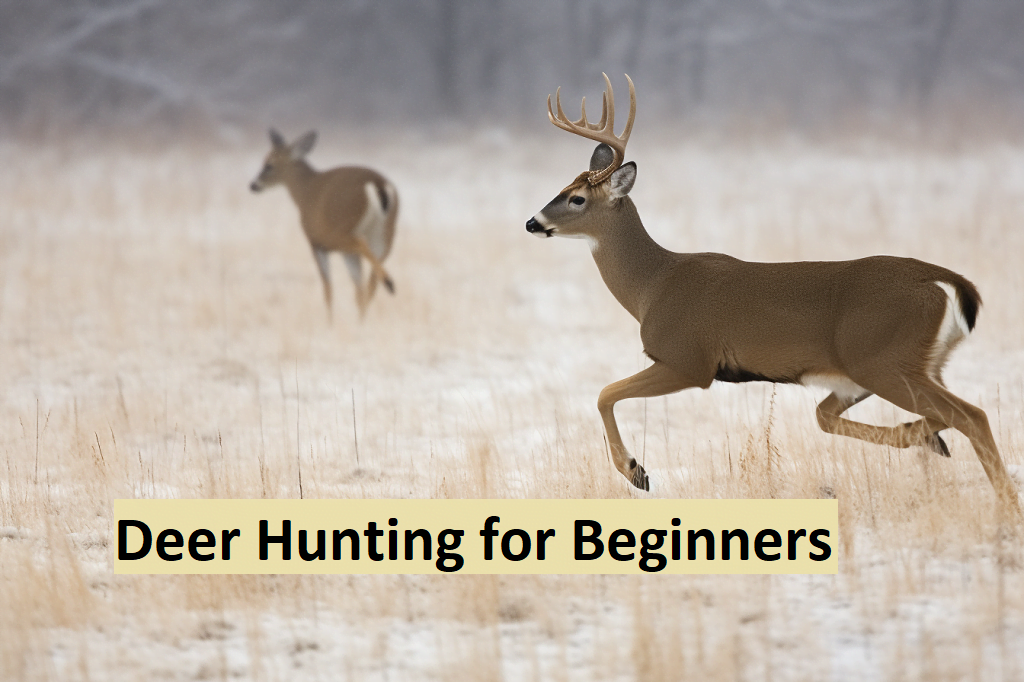
Deer Hunting for Beginners: A Comprehensive Guide to Getting Started

Table of Contents

1. Introduction: Embarking on the Adventure of Deer Hunting

Deer hunting is a time-honored tradition and an exciting outdoor pursuit for many enthusiasts. Whether you’re looking to connect with nature, experience the thrill of the chase, or provide sustenance for yourself and your family, deer hunting offers a unique and rewarding experience. In this comprehensive guide, we will explore the basics of deer hunting for beginners, covering everything from essential skills and equipment to safety measures and ethical considerations. Get ready to embark on your journey into the world of deer hunting.

2. Understanding Deer Hunting Basics

The Importance of Hunter Education

Before venturing into deer hunting, it is essential to complete a hunter education course. Hunter education programs provide valuable knowledge and safety training, covering topics such as firearm safety, hunting regulations, ethics, and conservation. These courses ensure that hunters are equipped with the necessary skills and knowledge to engage in safe and responsible hunting practices.

Learning about Deer Behavior and Habitat

Understanding deer behavior and their habitat is crucial for a successful hunt. Educate yourself on the different deer species in your area, their feeding patterns, mating seasons, and preferred habitats. Learn to recognize deer signs such as tracks, rubs, and scrapes, which can guide you to their locations. By studying deer behavior, you can anticipate their movements and increase your chances of a successful hunt.

Familiarizing Yourself with Hunting Equipment

Becoming familiar with hunting equipment is essential for any beginner. Start with a reliable and appropriate firearm or bow, depending on your preferences and local regulations. Practice shooting regularly to develop accuracy and proficiency. Additionally, invest in essential gear such as camouflage clothing, proper footwear, hunting knives, scent control products, and other hunting accessories to enhance your experience in the field.

3. Planning Your Deer Hunting Adventure

Choosing the Right Hunting Location

Selecting the right hunting location is crucial for a successful deer hunt. Research public hunting lands, private properties with hunting permissions, or join hunting clubs or lease programs. Look for areas with abundant deer populations, diverse habitats, and access to food sources such as agricultural fields or mast-producing trees. Seek permission from landowners if necessary and always adhere to their rules and regulations.

Obtaining the Necessary Licenses and Permits

Before hunting deer, ensure you have obtained the necessary licenses and permits as required by your state’s wildlife agency. Familiarize yourself with the specific hunting seasons, bag limits, and any additional regulations related to deer hunting in your area. Adhering to these regulations ensures legal and responsible hunting practices while contributing to wildlife conservation efforts.

Essential Gear for Deer Hunting

Having the right gear is crucial for a comfortable and successful hunt. Some essential gear includes appropriate hunting clothing, insulated boots, binoculars, a hunting backpack, a headlamp, a compass or GPS device, and a field dressing kit. Don’t forget to bring essential items such as water, snacks, a first aid kit, and a means of communication in case of emergencies.

4. Deer Hunting Techniques and Strategies

Scouting and Locating Deer

Scouting is a vital component of deer hunting. Spend time in the field before the hunting season to identify deer travel routes, bedding areas, and feeding patterns. Look for fresh deer sign, such as tracks, droppings, and browse lines. Utilize trail cameras to monitor deer activity and patterns. By scouting and locating deer, you can strategically position yourself for a successful hunt.

Stand Hunting vs. Stalking

Stand hunting and stalking are two common techniques in deer hunting. This hunting involves sitting or standing in a concealed location, such as a tree stand or ground blind, and waiting for deer to approach within range. Stalking, on the other hand, requires quietly and slowly moving through the hunting area to locate and approach deer. Both techniques have their advantages and should be chosen based on the specific hunting scenario and personal preference.

Using Deer Calls and Scents

Deer calls and scents can be effective tools to attract deer and increase hunting success. Calls such as grunt calls, rattling antlers, and doe bleats can mimic deer vocalizations, attracting curious deer or stimulating territorial responses during the rut. Scent-based attractants, including deer urine and estrus scents, can also be used strategically to pique deer’s interest and draw them closer to your hunting location.

5. Safety Measures and Ethics in Deer Hunting

Firearms Safety and Handling

Safety should always be the top priority in deer hunting. Treat every firearm as if it is loaded, keep your finger off the trigger until ready to shoot, and always point the muzzle in a safe direction. Familiarize yourself with the specific safety features and operation of your firearm, and follow all local regulations and best practices for safe firearm handling.

Treestand Safety Guidelines

If hunting from a treestand, it is crucial to prioritize treestand safety. Inspect your treestand and equipment for damage or wear before each use. Always wear a full-body safety harness and maintain three points of contact when climbing up or down. Use a haul line to raise and lower your equipment to avoid carrying them while climbing. Familiarize yourself with proper treestand placement and follow manufacturer guidelines for safe installation and use.

Respect for Wildlife and Environment

Ethical hunting involves respecting wildlife and the environment. Practice responsible hunting by taking only ethical shots within your effective range and targeting vital areas for quick and humane kills. Follow game laws and regulations, respecting bag limits and hunting seasons. Additionally, ensure that you leave no trace in the field by properly disposing of waste and minimizing your impact on the environment.

6. Field Dressing and Processing Your Harvest

Proper Field Dressing Techniques

Field dressing is a necessary step after a successful deer hunt. It involves removing the internal organs to cool down the meat and preserve its quality. Familiarize yourself with proper field dressing techniques, including making a clean incision, careful removal of organs, and minimizing contamination. Practice these techniques beforehand to ensure a smooth and efficient process in the field.

Processing and Preserving Venison

Processing and preserving venison is an essential part of deer hunting. Properly handle the harvested meat to prevent spoilage and ensure optimal taste and texture. Learn various butchering techniques, such as deboning, trimming, and portioning. Consider investing in a quality meat grinder, vacuum sealer, and freezer storage to maintain the freshness and longevity of your venison.

Ensuring Ethical and Sustainable Practices

As a responsible hunter, it’s essential to prioritize ethical and sustainable practices. Respect the game animals you harvest by utilizing as much of the animal as possible. Avoid wasteful practices and consider donating excess meat to organizations that help provide food for those in need. Embrace conservation efforts and support initiatives that promote wildlife management and habitat preservation.

7. Frequently Asked Questions (FAQs)

1. What are the best firearms for deer hunting?
Ans. The best firearm for deer hunting depends on personal preference and local regulations. Common choices include rifles chambered in calibers such as .243 Winchester, .270 Winchester, or .30-06 Springfield. Shotguns and muzzleloaders are also popular alternatives in certain regions.

2. Can I hunt deer without prior experience?
Ans. While prior experience can be beneficial, beginners can start deer hunting with proper education, practice, and guidance from experienced hunters. Take hunter education courses, learn from seasoned hunters, and focus on building fundamental skills and knowledge.

3. How do I find hunting opportunities as a beginner?
Ans. Research public hunting lands, join local hunting clubs or organizations, or seek permission from landowners who permit hunting on their properties. Networking with experienced hunters and seeking their guidance can also provide valuable opportunities.

4. What is the best time of day to hunt deer?
Ans. Deer are most active during dawn and dusk, commonly referred to as the “golden hours.” These periods offer increased chances of deer movement and are often ideal for hunting. However, deer activity can vary, and scouting your hunting area will provide insights into local patterns.

5. Can I hunt deer with a bow instead of a firearm?
Ans. Yes, deer hunting with a bow is a popular and rewarding alternative. Archery seasons offer unique challenges and longer hunting opportunities. However, it requires additional skills, practice, and familiarity with local regulations specific to bow hunting.

8. Conclusion: Embrace the Thrill of Deer Hunting

Deer hunting is a thrilling and immersive outdoor pursuit that offers both challenges and rewards. By understanding the basics, respecting wildlife and the environment, practicing safety measures, and developing the necessary skills, you can embark on a memorable journey into the world of deer hunting. Remember to enjoy the process, embrace the outdoors, and appreciate the rich heritage and traditions associated with this time-honored sport. Happy hunting!

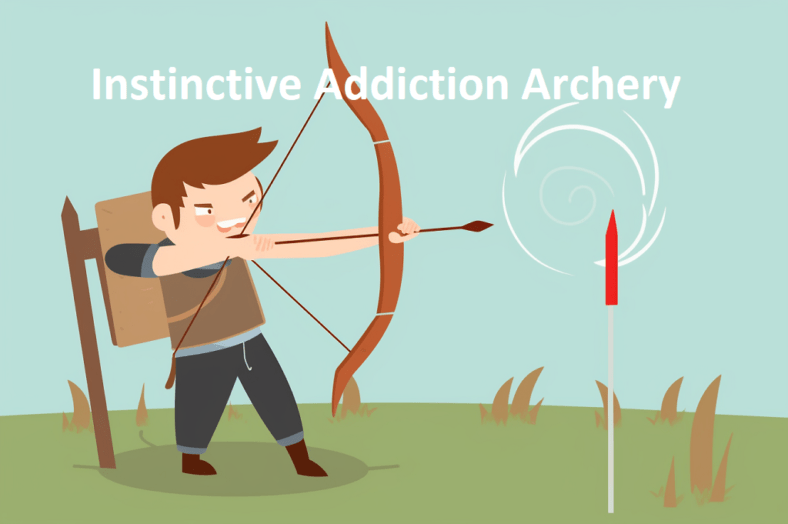
Instinctive Addiction Archery: Embrace the Art of Shooting from the Heart

Table of Contents

1. Introduction: Exploring Instinctive Addiction Archery

Welcome to the world of Instinctive Addiction Archery, where shooting a bow becomes an intuitive and exhilarating experience. Unlike other archery styles that rely on precise aiming techniques, instinctive archery is all about shooting from the heart and trusting your instincts. In this article, we will delve into the art of instinctive shooting, its appeal, and the techniques that will help you master this unique form of archery. Get ready to embrace the addictive beauty of Instinctive Addiction Archery.

2. Understanding Instinctive Archery Shooting

Trusting Your Instincts

Instinctive archery shooting is based on the belief that our bodies possess a natural ability to intuitively aim and release arrows without relying on sights or other aiming aids. Moreover, it requires trust in your instincts and a deep connection between mind, body, and bow. By training your muscle memory and honing your focus, you can tap into your instinctive shooting abilities and achieve remarkable accuracy.

Developing Intuitive Shot Execution

With instinctive shooting, you learn to feel the shot rather than consciously aim. By developing a keen sense of proprioception, you gain the ability to subconsciously adjust your aim and release based on sensory feedback. This requires practice, repetition, and a deep understanding of your equipment and shooting technique.

Embracing the Zen of Archery

Instinctive archery shooting goes beyond simply hitting a target. Instead, it embraces the Zen philosophy of archery, where the focus shifts from the outcome to the present moment. In this approach, each shot becomes a meditative experience, allowing you to find inner calm and harmony. Moreover, the journey of shooting becomes as significant as the result, fostering personal growth and mindfulness throughout the process.

3. The Appeal of Instinctive Addiction Archery

Simplicity and Connection

One of the primary appeals of instinctive archery is its simplicity. Without sights or complicated aiming techniques, it allows archers to connect with the primal essence of the sport. Additionally, instinctive shooting brings you closer to the raw and organic roots of archery, fostering a more instinctual and personal connection with the bow and arrow.

Versatility and Adaptability

Instinctive shooting techniques can be applied in various archery disciplines, making it a versatile style that adapts to different shooting scenarios. Whether you’re target shooting, participating in field archery, or even hunting, instinctive shooting provides the freedom to adjust to different distances, angles, and environments without relying on external aids.

Personal Growth and Mindfulness

Instinctive Addiction Archery offers more than just skill development; it fosters personal growth and mindfulness. By honing your instinctive shooting abilities, you cultivate self-awareness, discipline, and mental focus. The practice becomes a form of meditation, allowing you to find clarity, balance, and a deeper connection with yourself and the world around you.

4. Mastering Instinctive Shooting Techniques

Proper Stance and Posture

Establishing a solid foundation is crucial for instinctive shooting. Start by adopting a comfortable and balanced stance, with your feet shoulder-width apart. Maintain a relaxed posture, aligning your body with the target while keeping your shoulders and muscles tension-free. This promotes better stability and fluidity in your shooting.

Hand-Eye Coordination and Focus

Developing hand-eye coordination is essential for instinctive shooting. Train your eyes to focus on the target while maintaining peripheral awareness of your bow hand and arrow. Practice the art of “gapping” or “point of reference” by instinctively estimating the arrow’s trajectory based on its relative position to the target. This allows for precise adjustments in aim without conscious calculation.

Fine-Tuning Your Release

Mastering the art of the release is essential for achieving consistent and accurate instinctive shooting. In order to accomplish this, it is important to focus on a smooth and controlled release, allowing the energy to naturally transfer from your fingers to the bowstring. By avoiding any sudden or jerky movements that may disrupt the fluidity of the shot, you can enhance your shooting performance and maintain a consistent and accurate aim. Additionally, it’s beneficial to experiment with different release techniques to find the one that feels most comfortable and effective for you.

5. Incorporating Instinctive Archery in Your Practice

Target Shooting Techniques

To start your instinctive archery journey, begin by practicing on target ranges. Start with close distances and progressively extend the range as your shooting skills develop. Additionally, explore different target sizes and positions to enhance your adaptability and spatial awareness during shooting. Incorporate mental visualization techniques, imagining the arrow finding its mark before releasing the shot.

Field Archery and 3D Courses

Take your instinctive shooting skills to the next level by participating in field archery and 3D courses. These courses simulate realistic hunting scenarios, challenging your ability to judge distances and make instinctive shots in various terrains and angles. Field archery and 3D courses provide a dynamic and exciting environment to test and refine your instinctive shooting abilities.

Hunting with Instinctive Shooting

Instinctive shooting techniques are highly valued in hunting, where quick and instinctual shots are often required. Practice shooting from various positions, such as kneeling, sitting, or standing, to prepare for different hunting scenarios. Always prioritize safety, adhere to hunting regulations, and continue to refine your shooting skills through practice and experience.

6. Frequently Asked Questions (FAQs)

1. Can instinctive shooting be combined with other archery styles?
Ans. Yes, instinctive shooting techniques can be combined with other archery styles. Many archers integrate elements of instinctive shooting into their target or bowhunting practices to enhance their overall shooting skills and adaptability.

2. Is instinctive shooting suitable for beginners?
Ans. While instinctive shooting requires practice and experience, it can be learned by beginners. Starting with proper foundational techniques, consistent practice, and expert guidance will help beginners develop their instinctive shooting abilities over time.

3. Can I switch from using sights to instinctive shooting?
Ans. Making the transition from using sights to instinctive shooting can be a personal decision. It involves breaking away from reliance on sights and cultivating shooting techniques rooted in instinct and muscle memory. Through consistent practice and unwavering commitment, one can effectively embrace this new approach.

4. Are there specific bows or arrows for instinctive shooting?
Ans. Instinctive shooting can be done with various types of bows, such as recurve bows, longbows, or traditional bows. The choice of arrows will depend on the specific bow you use and the shooting style that works best for you. Consult with experienced archers or experts at archery pro shops to find the most suitable equipment for your instinctive shooting journey.

5. How long does it take to become proficient in instinctive shooting?
Ans. The time it takes to become proficient in instinctive shooting varies from person to person. It depends on factors such as practice frequency, dedication, and individual learning capabilities. Consistent practice, patience, and a willingness to learn from both successes and failures are key to progressing in instinctive shooting.

7. Conclusion: Embrace the Journey of Instinctive Addiction Archery

Instinctive Addiction Archery offers a unique and captivating way to connect with the art of archery. By embracing your instincts, developing intuitive shot execution, and immersing yourself in the simplicity and mindfulness of instinctive shooting, you embark on a journey of self-discovery and personal growth. So, release your arrows with heart and trust in your instincts as you indulge in the addictive beauty of Instinctive Addiction Archery.

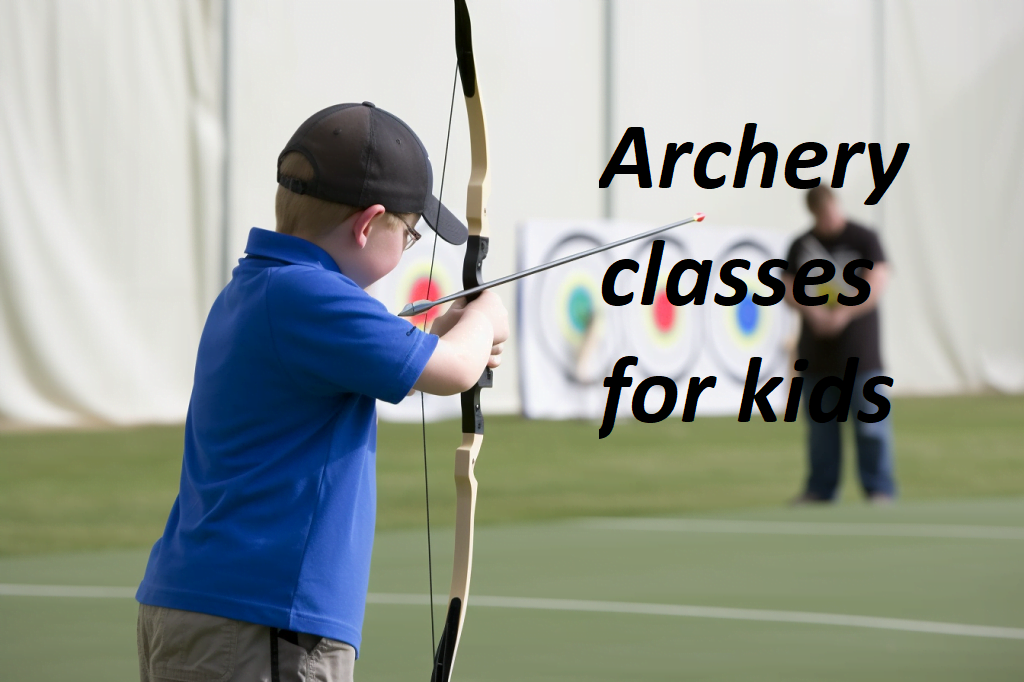
Archery Classes for Kids: Igniting the Passion for Archery at a Young Age

Table of Contents

1. Introduction: Introducing Kids to the Art of Archery

Introducing kids to the sport of archery at a young age can spark a lifelong passion and instill valuable life skills. Archery is a versatile and engaging activity that promotes physical fitness, mental focus, discipline, and responsibility. In this article, we will explore the benefits of archery for kids, how to find the right archery classes, what to expect in kids’ archery classes, and tips for nurturing a love for archery in young archers.

2. Benefits of Archery for Kids

Physical Development and Coordination

Archery is an activity that promotes physical development and coordination in kids. Drawing the bowstring engages the muscles of the arms, shoulders, and back, enhancing strength and muscle tone. Additionally, aiming and maintaining a stable shooting stance improve balance, hand-eye coordination, and fine motor skills.

Mental Focus and Concentration

Archery requires mental focus and concentration, which can be especially beneficial for kids in today’s fast-paced world. As young archers aim and release their arrows, they learn to block out distractions and channel their attention towards the target. This practice enhances their ability to concentrate, develop patience, and improve their overall mental discipline.

Discipline and Responsibility

Participating in archery classes instills a sense of discipline and responsibility in kids. They learn to follow safety rules and range etiquette, which are crucial aspects of archery. Additionally, archery teaches young archers the importance of setting goals, practicing consistently, and taking responsibility for their progress.

3. Finding the Right Archery Classes for Kids

Qualified Instructors with Experience in Teaching Kids

When seeking archery classes for kids, it’s important to find instructors who have experience working with children. Qualified instructors understand how to communicate and engage with young archers, making the learning process enjoyable and effective. Look for instructors who prioritize safety, possess proper certifications, and have a track record of working with kids in a supportive and nurturing environment.

Safe and Suitable Facilities

Choose archery classes that are conducted in safe and suitable facilities. The shooting range should have ample space, proper targets, and safety measures in place to ensure a secure learning environment for kids. Check that the facilities are well-maintained, provide sufficient shooting distances for different age groups, and comply with all safety regulations.

Age-Appropriate Equipment and Training

Ensure that the archery classes for kids provide age-appropriate equipment and training. Younger children may need lighter bows with lower draw weights to facilitate proper technique and prevent strain. The classes should focus on foundational skills, gradually introducing more advanced techniques as the kids progress. Look for programs that offer a structured curriculum designed specifically for young archers.

4. What to Expect in Kids’ Archery Classes

Introduction to Basic Archery Techniques

Kids’ archery classes typically start with an introduction to basic archery techniques. This includes learning about the different parts of the bow and arrow, proper shooting form, and how to nock an arrow and draw the bowstring. Instructors will guide young archers through these fundamental skills, ensuring they develop a solid foundation for their archery journey.

Learning Safety Rules and Etiquette

Safety is paramount in archery, and kids’ archery classes emphasize teaching safety rules and range etiquette from the very beginning. Kids will learn how to handle equipment safely, understand range commands, and respect the shooting line. These lessons instill a sense of responsibility and awareness, ensuring a safe and enjoyable archery experience for everyone.

Engaging Activities and Games

To keep young archers engaged and enthusiastic, kids’ archery classes often incorporate fun activities and games into the lessons. These activities may include target games, team challenges, and skill-building exercises that enhance their shooting abilities while fostering a sense of camaraderie and friendly competition among the participants.

5. Nurturing a Love for Archery in Kids

Encouraging Progress and Skill Development

To nurture a love for archery in kids, it’s crucial to celebrate their progress and skill development. Recognize their achievements, both big and small, and provide constructive feedback to help them improve. Encouragement and positive reinforcement go a long way in building confidence and fueling their passion for archery.

Creating a Supportive and Fun Environment

Creating a supportive and fun environment is key to fostering a love for archery in kids. Encourage camaraderie among participants, facilitate teamwork, and foster friendships. Organize events and friendly competitions that allow kids to showcase their skills and enjoy the social aspect of archery. When kids feel supported and enjoy the experience, they are more likely to stay committed and continue their archery journey.

Celebrating Achievements and Milestones

Celebrate the achievements and milestones of young archers to boost their motivation and sense of accomplishment. Consider awarding certificates or small rewards for reaching specific goals or demonstrating exceptional effort. Publicly acknowledge their progress during class sessions or at special events to highlight their dedication and inspire other young archers.

Frequently Asked Questions (FAQs)

1. At what age can kids start learning archery? Kids can start learning archery as early as six years old, depending on their developmental readiness. However, it’s essential to find age-appropriate programs and instructors who specialize in teaching young children.

2. Is archery safe for kids? Yes, when taught by qualified instructors in a controlled environment, archery is a safe activity for kids. Strict adherence to safety protocols, proper equipment, and supervision ensure a secure and enjoyable experience.

3. How can archery benefit my child’s overall development? Archery can benefit your child’s overall development by improving physical fitness, coordination, mental focus, concentration, discipline, responsibility, and self-confidence.

4. Are there any competitions or events for kids in archery? Yes, there are various local and national archery competitions and events specifically designed for kids. These events offer young archers the opportunity to showcase their skills, compete with their peers, and celebrate their achievements.

5. How can I support my child’s interest in archery outside of classes? You can support your child’s interest in archery by practicing with them, attending archery events together, providing encouragement, and engaging in discussions about archery techniques and equipment. Additionally, consider joining archery clubs or organizations that offer additional resources and community support.

Conclusion: Empowering Kids through theArt of Archery

Archery classes for kids provide an excellent opportunity to introduce young ones to the art of archery, offering numerous benefits for their physical and mental development. By finding the right classes with qualified instructors, safe facilities, and age-appropriate equipment, kids can learn the fundamental techniques of archery while also fostering discipline and responsibility. With engaging activities, learning safety rules and etiquette, and nurturing a supportive and fun environment, kids’ archery classes become an exciting journey of skill development and personal growth. So, empower your child through the art of archery and watch as they discover a lifelong passion that combines focus, strength, and an appreciation for the sport.

When is Deer Hunting Season? A Guide to the Timing and Regulations

Table of Contents

1. Introduction: The Thrill of Deer Hunting

Deer hunting, a popular outdoor activity that combines the thrill of the chase, the art of tracking, and the satisfaction of harvesting game, raises the question: when is deer hunting season? In this article, we will delve into the timing and regulations surrounding deer hunting seasons. We will explore regional variations, different hunting methods, and important considerations for planning your hunting adventures.

2. Understanding Deer Hunting Seasons

Regional Variations in Seasons

Deer hunting seasons vary by region and state, primarily due to differences in deer population dynamics, habitat, and management goals. Each state has specific regulations and designated seasons to ensure sustainable hunting practices and conservation efforts. It’s crucial to familiarize yourself with the hunting seasons in your specific area to ensure compliance with the law.

Archery, Firearms, and Muzzleloader Seasons

Deer hunting seasons are often categorized into different segments, such as archery, firearms, and muzzleloader seasons. Archery seasons typically open earlier than firearms seasons and provide hunters with the opportunity to hunt deer using bows and arrows. Firearms seasons allow hunters to utilize firearms such as rifles or shotguns. Muzzleloader seasons are specific to hunters using muzzleloading firearms, which require loading the propellant and projectile separately.

Regulations and Licensing

Deer hunting seasons are governed by regulations set by state wildlife agencies. These regulations, which include specific dates, bag limits, antler restrictions, and licensing requirements, are essential for hunters to review and adhere to in order to ensure ethical and legal hunting practices.

3. Determining Deer Hunting Seasons by State

Deer Species and Geographic Variations

North America is home to various deer species, such as the whitetail deer, mule deer, black-tailed deer, and elk. Each species has distinct habitat preferences, behaviors, and seasonal patterns. As a result, deer hunting seasons can vary depending on the specific species present in a particular region. Therefore, it’s essential for hunters to familiarize themselves with the deer species prevalent in their area. By doing so, they can determine the corresponding hunting season and plan their hunting activities accordingly.

Deer Hunting Seasons in North America

Deer hunting seasons in North America are managed at both state and provincial levels, with regulations set by wildlife agencies. The exact dates of hunting seasons can differ significantly from one region to another. Factors such as weather conditions, breeding cycles, and population management objectives influence the timing and duration of these seasons. It’s crucial for hunters to consult local hunting regulations and stay updated on any changes or adjustments to the hunting season schedules.

Deer Hunting Season Dates for 2023-2024

The dates for deer hunting seasons in 2023 can vary depending on the state or province. It’s important to note that these dates are subject to change, and hunters should always refer to official sources and local wildlife agencies for the most accurate and up-to-date information. Here is a general overview of the deer hunting season dates for 2023-2024:

Javelina
SeasonZoneDates
GeneralNorthOct. 1, 2023 – Feb. 25, 2024
SouthSep. 1, 2023 – Aug. 31, 2024
Mule Deer
SeasonZoneDates
GeneralPanhandleNov. 18, 2023 – Dec. 3, 2023
Trans-PecosNov. 24, 2023 – Dec. 10, 2023
Archery59 of 254 countiesSep. 30, 2023 – Nov. 3, 2023
Pronghorn
SeasonZoneDates
General41 of 254 countiesSep. 30 – Oct. 15, 2023
Squirrel
SeasonZoneDates
GeneralEast TexasOct. 1, 2023 – Feb. 25, 2024 & May 1-31, 2024
Other open countiesSep. 1, 2023 – Aug. 31, 2024
Youth-onlyEast TexasSep. 23 – 24, 2023
White-tailed Deer
SeasonZoneDates
GeneralNorthNov. 4 , 2023- Jan. 7, 2024
SouthNov. 4, 2023 – Jan. 21, 2024
Special LateNorthJan. 8-21, 2024
SouthJan. 22, 2024 – Feb. 4, 2024
Youth-OnlyNorthOct. 28-29, 2023 & Jan. 8-21, 2024
SouthOct. 28-29, 2023 & Jan. 8-21, 2024
Archery252 of 254 countiesSep. 30, 2023 – Nov. 3, 2023
Muzzleloader90 of 254 countiesJan. 8-21, 2024
Chachalaca
SeasonZoneDates
RegularCameron, Hidalgo, Starr & Willacy CountiesOct. 28, 2023 – Feb. 25, 2024
Pheasant
SeasonZoneDates
RegularPanhandleDec. 2-31, 2023
Quail
SeasonZoneDates
RegularStatewideOct. 28, 2023 – Feb. 25, 2024
Rio Grande Turkey
SeasonZoneDates
FallNorthNov. 4, 2023 – Jan. 7, 2024
SouthNov. 4, 2023 – Jan. 21, 2024
Brooks, Kenedy, Kleberg & Willacy countiesNov. 4, 2023 – Feb. 25, 2024
Archery-onlySep. 30, 2023 – Nov. 3, 2023
Fall Youth-onlyNorthOct. 28-29, 2023 & Jan. 8-21, 2024
SouthOct. 28-29, 2023 & Jan. 22, 2024 – Feb. 4, 2024
SpringNorthMar. 30, 2024 – May 12, 2024
SouthMar. 16, 2024 – Apr. 28, 2024
One-turkey countiesApr. 1-30, 2024
Spring Youth-OnlyNorthMar. 23-24, 2024 & May 18-19, 2024
SouthMar. 9-10, 2024 & May 4-5, 2024
Eastern Turkey
SeasonZoneDates
SpringEast TexasApr. 22, 2024 – May 14, 2024
Dove
SeasonZoneDates
RegularNorthSep. 1, 2023 – Nov. 12, 2023 & Dec. 15-31, 2023
CentralSep. 1, 2023 – Oct. 29, 2023 & Dec. 15, 2023 – Jan. 14, 2024
SouthSep. 14, 2023 – Oct. 29, 2023 & Dec. 15, 2023 – Jan. 21, 2024
Special White-winged Dove DaysSouthSep. 1-3, 2023 & Sept. 8-10, 2023
Duck
SeasonZoneDates
RegularHigh Plains Mallard Management UnitOct. 28-29, 2023 & Nov. 3, 2023 – Jan. 28, 2024
NorthNov. 11-26, 2023 & Dec. 2, 2023 – Jan. 28, 2024
SouthNov. 4-26, 2023 & Dec. 9, 2023 – Jan. 28, 2024
Youth/VeteransHigh Plains Mallard Management UnitOct. 21-22, 2023
NorthNov. 4-5, 2023
SouthOct. 28-29, 2023
Goose
SeasonZoneDates
Early Canada GooseEastSep. 9-24, 2023
Light & Dark GeeseWestNov. 4, 2023 – Feb. 4, 2024
EastNov. 4, 2023 – Jan. 28, 2024
Light Goose Conservation OrderWestFeb. 5, 2024 – Mar. 10, 2024
EastJan. 29, 2024 – Mar. 10, 2024
Rails, Gallinules & Moorhens
SeasonZoneDates
RegularStatewideSep. 9-24, 2023 & Nov. 4, 2023 – Dec. 27, 2023
Sandhill Cranes
SeasonZoneDates
RegularAOct. 28, 2023 – Jan. 28, 2024
BNov. 24, 2023 – Jan. 28, 2024
CDec. 16, 2023 – Jan. 21, 2024
Snipe
SeasonZoneDates
RegularStatewideNov. 4, 2023 – Feb. 18, 2024
Teal
SeasonZoneDates
September Teal OnlyStatewideSep. 9-24, 2023
Woodcock
SeasonZoneDates
RegularStatewideDec. 18, 2023 – Jan. 31, 2024

4. Additional Considerations for Deer Hunting

Bag Limits and Antler Restrictions

Deer hunting regulations often include bag limits, which specify the number of deer an individual hunter can harvest during a given season. These bag limits are in place to ensure the sustainability of deer populations and maintain a healthy balance within ecosystems. Some states may also have antler restrictions in place, which dictate the minimum size or number of points required for a harvested buck.

Hunting Zones and Public/Private Lands

States are often divided into different hunting zones, each with its own regulations and seasons. These zones may be based on geographic regions, deer population densities, or other factors. Additionally, consider whether you plan to hunt on public or private lands, as regulations, access, and hunting methods may differ between these land types. It’s essential to research and obtain any necessary permits or permissions for hunting on private lands.

Safety Measures and Ethics


When it comes to deer hunting, safety should always be a top priority. It is important to familiarize yourself with firearm safety guidelines, tree stand safety practices, and general hunting safety principles. Additionally, practicing ethical hunting involves respecting property boundaries, adhering to bag limits and restrictions, and ensuring clean and humane kills. By prioritizing safety and ethical practices, you can enjoy a responsible and fulfilling deer hunting experience. Additionally, consider joining hunter education programs or seeking guidance from experienced hunters to enhance your skills and knowledge.

5. Frequently Asked Questions (FAQs)


Q. Can you hunt deer year-round?
A. No, deer hunting is not year-round. Seasons regulate hunting activities, ensure sustainable populations, and align with wildlife management objectives. Abide by specific hunting seasons and state regulations.

Q. Can you hunt deer with a bow during firearms season?
A. Regulations vary by state. Some allow bow hunting during firearms season, while others restrict certain methods. Review state regulations for allowed hunting methods during each season.

Q. Are there restrictions on harvesting bucks?
A. Many states have regulations on buck harvesting, such as antler restrictions based on size or points. Check state regulations for restrictions and requirements.

Q. Can I hunt on public lands without a permit?
A. Access and regulations for hunting public lands vary by state. Some lands require permits or have specific rules. Consult the managing agency or state wildlife agency for information.

Q. Best time of day to hunt deer?
A. Deer are most active during early morning and late evening, known as the “golden hours.” Adjust hunting strategy based on local deer behavior and feeding patterns.

6. Conclusion: Plan Your Deer Hunting Season Adventure

Deer hunting season timing and regulations vary by region and state. Therefore, it’s crucial for hunters to understand the specific seasons, methods, bag limits, and licensing requirements in their area. By researching state-specific regulations, consulting with the state wildlife agency, and adhering to ethical hunting practices, hunters can ensure a responsible and enjoyable deer hunting experience. So, grab your gear, review the regulations, and plan your deer hunting season adventure with confidence.

Exit mobile version