


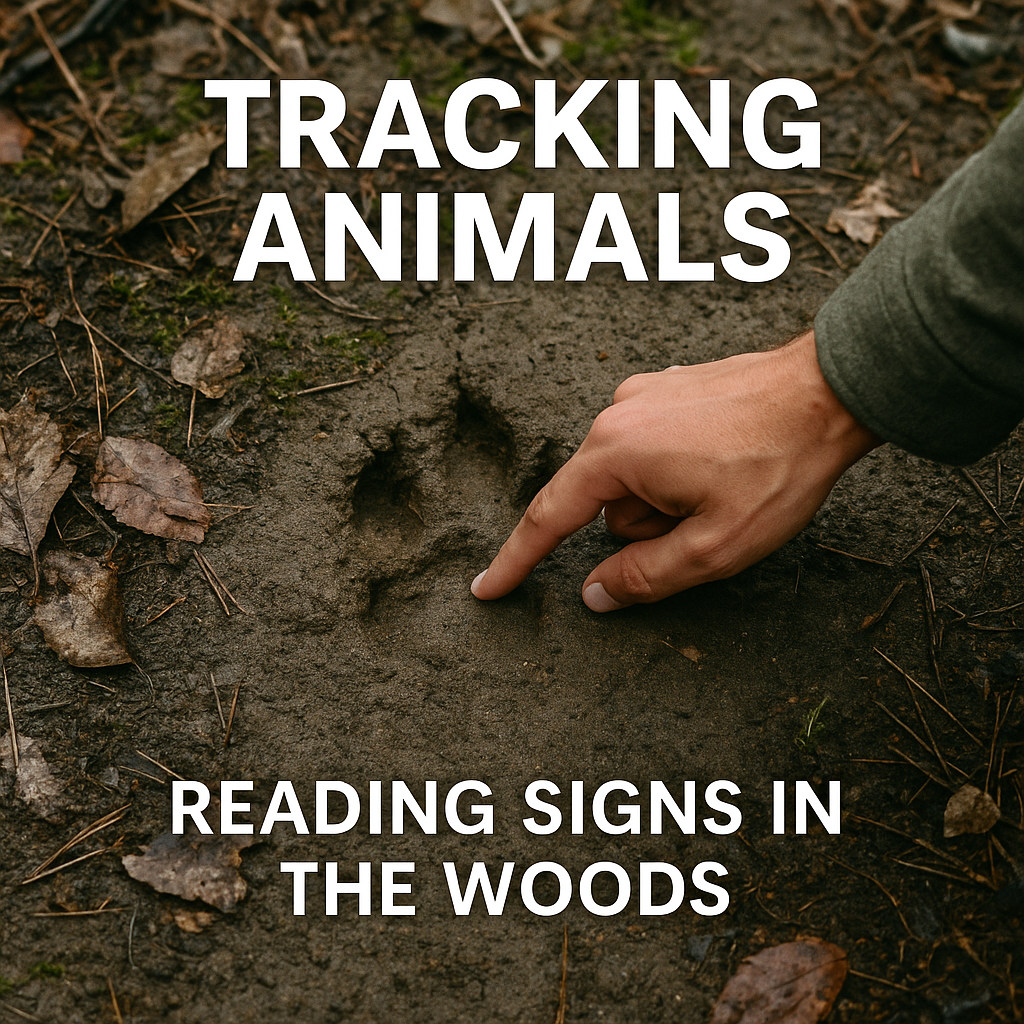
Tracking animals means reading the marks they leave behind, including tracks, scat, rubs, scrapes, beds, feeding sign, and worn trails, to understand which animals use an area, where they travel, and when. Good tracking is woodsmanship, not a guarantee. Reading sign well puts you in better places at better times and helps you recover an animal after a shot, but no skill removes the uncertainty of hunting wild animals. Before you act on any of it, confirm seasons, legal species, and methods with your state wildlife agency.
This guide explains how to read the most common sign, how to judge how fresh it is, how to connect the clues into a picture of animal movement, and how to track ethically after a shot. The fieldcraft applies broadly, but the rules that decide what you may legally do are set by your wildlife agency. Hunter education programs like Hunter-Ed and IHEA-USA are good places to build the foundation.
Table of contents
Why reading sign matters
Reading sign turns a stretch of woods from a blank into a map of animal activity. Tracks and trails show travel routes, feeding sign shows where animals eat, and bedding sign shows where they rest. Put together, these clues tell you where to set up and when an area is likely to be active.
It is honest to say what tracking is not. It is not a guarantee of a harvest, and it does not let you predict exactly where an animal will be. Wild animals shift with weather, food, pressure, and the breeding season. Tracking improves your odds and your understanding, and it is essential for recovering an animal after a shot, but it rewards patience and observation over certainty.
Reading tracks
A track is the clearest sign of which animal passed and which way it went. Start with the basic shape, then look at size, spacing, and direction.
What to look for in a track
- Shape: Cloven, two-part hoof prints point to deer and similar animals, while paw prints with or without claw marks point to predators or other mammals.
- Size: Larger tracks generally mean larger or older animals, though ground softness affects how big a print looks.
- Direction and stride: The pointed end and the spacing between prints show direction and whether the animal was walking or moving fast.
- Depth: Deeper prints suggest a heavier animal or softer ground, and toes splayed wide can suggest speed or a steep slope.
Soft surfaces such as mud, wet sand, and snow hold the best detail. Field guides and resources from state wildlife agencies and references like National Park Service wildlife pages can help you learn the track shapes of local species. The more tracks you study in person, the faster you read them.
Reading scat and feeding sign
Scat, or droppings, tells you what animals are present and roughly how recently. Shape, size, and content vary by species and by what the animal has been eating, so scat helps confirm both the animal and the food source nearby.
Feeding sign is just as useful. Browsed plant tips, stripped bark, dug-up ground, cracked nuts, and trampled crop edges all show where and what animals eat. When feeding sign, fresh scat, and tracks all cluster in one spot, you have found an active food source, which is one of the most reliable places to focus. Fresh, moist scat indicates recent use, while old, dry, or weathered scat means the activity may have shifted.
Rubs, scrapes, and territorial sign
Some sign is made deliberately by animals marking territory or communicating, and it is especially useful during the breeding season. For deer, rubs and scrapes are the classic examples.
A rub is a spot where a buck has rubbed bark off a tree or sapling with its antlers, leaving a scarred, exposed patch. A scrape is a cleared area of ground, often under an overhanging branch, that a buck paws and scent-marks. A line of fresh rubs can show a travel route and direction, and active scrapes can indicate a buck working an area during the rut. Treat this sign as evidence of recent activity and travel, not as a promise that the animal will return on schedule.
Trails, beds, and bedding areas
Animals that use an area repeatedly wear trails between food, water, and bedding. A well-worn trail with packed dirt, matted vegetation, and overlapping tracks is a travel corridor worth understanding.
Beds are flattened, oval areas in grass, leaves, or snow where an animal has rested, often in thick cover, on benches, or in spots with a view and an escape route. Knowing where animals bed and how they travel to feed helps you set up along the route rather than crowding the bedding area, which tends to push animals out. The general principle is to position yourself on travel between bedding and feeding, with the wind in your favor.
Judging how fresh sign is
Sign only helps if you can estimate how old it is, because fresh sign means recent activity. A few cues help you judge age, though weather changes them.
- Edges of tracks: Sharp, crisp edges suggest fresh prints, while crumbled, rounded, or rain-pocked edges suggest older ones.
- Moisture and color: Fresh scat is often moist and dark, while old scat dries, fades, and hardens.
- Rubs and cuts: A bright, light-colored rub or a green, freshly browsed plant tip is recent, while gray, weathered wood and browned tips are older.
- Weather context: A track on top of fresh snow, after recent rain, or over your own earlier prints tells you it was made very recently.
Use the weather as a clock. If you know when it last rained or snowed, sign made after that event is fresh. Comparing sign to your own tracks or to known recent disturbances is one of the most reliable freshness checks.
Putting the clues together
No single sign tells the whole story. The skill is connecting tracks, scat, feeding sign, rubs and scrapes, trails, and beds into a picture of how animals use the area through the day.
A useful mental model is a daily loop: animals bed in cover, travel established trails to feed, and return. When you find a fresh trail linking a bedding area to an active food source, with the freshest sign concentrated along it, you have found a high-percentage area. Set up downwind of the travel route, keep your intrusion low so you do not pressure the animals, and let observation over several trips sharpen the picture. Trail observation over time usually beats a single walk-through.
Ethical tracking and recovery after a shot
Tracking is most important after a shot. Recovering an animal you have hit is an ethical responsibility, and patient, careful tracking is how you meet it.
- Mark where the animal stood and where it was last seen before you move.
- Wait an appropriate time before following so a hit animal can settle, rather than pushing it farther.
- Follow the trail slowly and carefully, marking your progress so you can return to the last confirmed point if the trail thins.
- Read the ground and vegetation patiently and work in good light when possible.
- If the trail gives out, grid-search the likely direction and ask for help rather than giving up early.
The ethical standard is simple: make a clean, well-placed shot within your proven range, then make every reasonable effort to recover the animal. Knowing your local recovery and trespass rules matters too, since following an animal onto neighboring land may require permission. Confirm those rules with your wildlife agency and landowners.
Seasons and legality
Reading sign is a skill, but when and how you may hunt is set by law. Seasons, legal species, allowed methods, tagging, and land access rules vary by state and change from year to year.
Confirm the current rules with your state wildlife agency before you hunt, including season dates, licenses and tags, legal methods, and any recovery or trespass rules. Federal resources such as the U.S. Fish and Wildlife Service can point you to the right agency, and Hunter-Ed covers regulation basics. This article is general information, not legal advice.
Frequently asked questions
How can I tell how old a track is?
Look at the edges and the weather. Sharp, crisp track edges suggest fresh prints, while crumbled or rain-pocked edges suggest older ones. Comparing sign to the last rain or snowfall, or to your own tracks, is the most reliable way to judge freshness.
What is the difference between a rub and a scrape?
A rub is bark scarred off a tree by a buck’s antlers, leaving an exposed patch. A scrape is a pawed, scent-marked spot of cleared ground, often under an overhanging branch. Both are deer sign that signals recent activity, especially during the rut.
Does good tracking guarantee a successful hunt?
No. Tracking improves your odds by putting you in active areas at better times, but wild animals respond to weather, food, pressure, and the breeding season. It is a skill that raises your chances and is essential for recovery, not a guarantee.
How long should I wait before tracking an animal I shot?
It depends on the shot and the animal, so there is no single number. The general principle is to mark the spot, wait an appropriate time so a hit animal can settle rather than be pushed, then follow slowly and carefully. Learn recovery practices through hunter education and experienced mentors.
Final takeaway
Tracking animals is reading the story the ground tells: tracks and trails for travel, scat and feeding sign for food, rubs and scrapes for territory, and beds for rest, all weighed against how fresh the sign is. Connect those clues into a picture of daily movement, set up along travel routes with the wind in your favor, and treat recovery after a shot as a duty, not an option. Tracking sharpens your woodsmanship and your odds, but it is not a guarantee. Confirm seasons, methods, and land rules with your state wildlife agency before every season.