Axis Deer Hunting in Texas: A Thrilling Safari Experience

Table of Contents

Introduction

Howdy, fellow adventurers and hunting enthusiasts! If you’re looking for an adrenaline-pumping experience in the heart of Texas, consider embarking on an Axis Deer hunting expedition. Texas, known for its rich wildlife and hunting opportunities, offers an unforgettable safari adventure like no other. In this article, we’ll delve into the world of Axis Deer, understand their significance in the Texan ecosystem, explore the hunting regulations and techniques, and share some tips for a successful and ethical hunting experience. So, lock and load your hunting gear as we venture into the wilderness of Texas for an exciting Axis Deer hunt!

Understanding the Axis Deer: An Fascinating Presence in Texas

The Axis Deer – A Foreign Beauty

Picture this: a magnificent deer with striking spots and elegant antlers, gracefully moving through the Texan landscape. That’s the Axis Deer, also known as the Chital. Originally from India and Sri Lanka, these fascinating deer were introduced to Texas in the 1930s. Since then, they have flourished, making Texas one of the prime destinations for Axis Deer hunting.

The Ecological Impact

While some introduced species can be detrimental to the environment, Axis Deer have managed to find a balance in the Texan ecosystem. They primarily feed on grass, fruits, and leaves, and their grazing actually helps control vegetation, benefiting the native flora and fauna. However, due to their increasing population, controlled hunting has become necessary to maintain a healthy balance.

Hunting Regulations and Ethics

Abiding by the Law

Before embarking on your Axis Deer hunting adventure, it’s crucial to familiarize yourself with the Texas hunting regulations. Obtain the necessary hunting permits and licenses from the Texas Parks and Wildlife Department, and ensure you are well-versed with the specific hunting seasons, bag limits, and any additional restrictions in the area you plan to hunt.

Ethical Hunting Practices

Hunting is not just about the thrill of the chase; it also entails a responsibility to preserve wildlife and respect nature. Adopting ethical hunting practices is paramount to maintain the delicate balance of the ecosystem. Make clean and humane shots to ensure a quick and ethical kill. Additionally, never hunt more than what you can use or share with others.

Preparing for the Hunt: Gear and Techniques

The Right Gear

A successful Axis Deer hunt demands the right gear. Ensure you have a reliable and accurate hunting rifle or bow, depending on your preferred hunting method. Dress in appropriate camouflage clothing, and don’t forget your hunting boots and a hat for sun protection. Also, pack essential survival gear, such as a first-aid kit, water, and snacks.

Spotting and Stalking

Axis Deer are known for their sharp senses, so spotting and stalking them requires skill and patience. Scan open fields, grasslands, and woodland edges during the early morning or late afternoon when they are most active. Move quietly and stay downwind to avoid detection. When you spot an Axis Deer, move cautiously and use the terrain for cover as you close the distance.

Aiming for Accuracy

Whether you’re using a rifle or a bow, honing your shooting skills is crucial. Practice at shooting ranges to improve your accuracy and gain confidence with your weapon of choice. Ethical hunting demands a well-placed shot to minimize suffering and ensure a clean harvest.

The Hunt: A Tale of Adventure

The Thrill of Tracking

As you set out on your Axis Deer hunting expedition, the excitement of tracking these elusive creatures begins. With every step, you feel the pulse of the wilderness, and your senses become heightened.

A Glimpse of Majesty

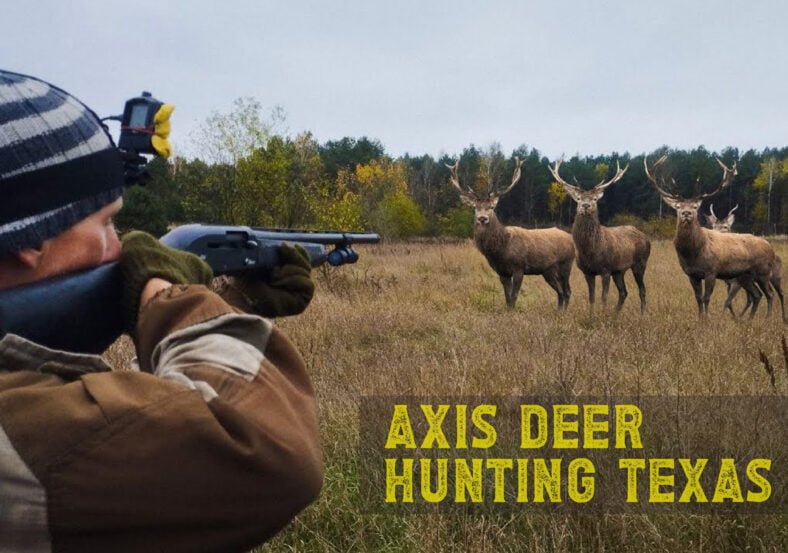
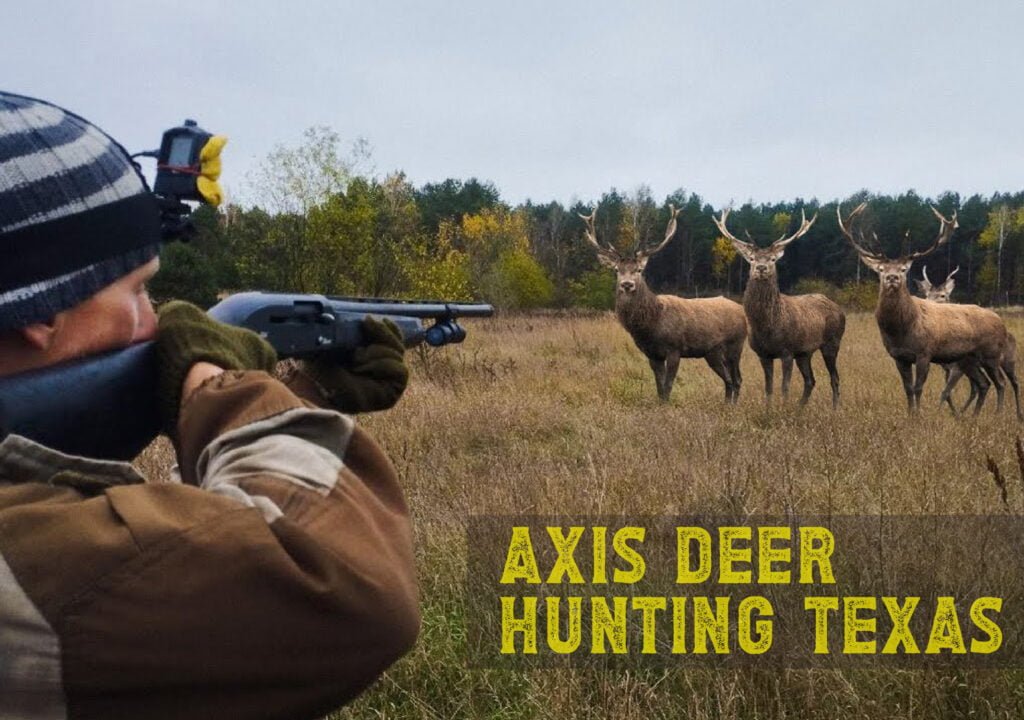
As the sun rises over the Texan landscape, you spot a group of Axis Deer grazing in the distance. Their magnificent antlers glisten in the golden rays, and you feel a rush of awe at the beauty before you.

The Stealthy Approach

You carefully plan your approach, using the natural cover to stay concealed. Your heart pounds with anticipation as you inch closer to your prey, making sure to avoid any sudden movements.

A Clean Harvest

Taking a deep breath, you steady your aim and release the shot. Your years of practice pay off as your arrow finds its mark, or your bullet hits its target. The Axis Deer falls swiftly and humanely, a testament to your skill as a hunter.

Gratitude and Respect

As you stand over your harvested deer, a sense of gratitude and respect washes over you. You give thanks for the opportunity to be part of this intricate cycle of life and promise to use every part of the animal responsibly.

Conclusion

Axis Deer hunting in Texas is more than just a thrilling adventure; it’s an opportunity to connect with nature and embrace the traditions of responsible hunting. As you immerse yourself in the Texan wilderness, remember to respect the land, wildlife, and fellow hunters. Let the experience instill in you a deeper appreciation for the delicate balance of nature and the importance of conservation efforts. So, grab your gear, respect the regulations, and embark on an Axis Deer hunting safari you’ll cherish for a lifetime.

FAQs (Frequently Asked Questions)

1. Is Axis Deer hunting open to everyone in Texas? Yes, Axis Deer hunting is open to both residents and non-residents in Texas. However, non-residents must acquire the appropriate hunting licenses and permits before hunting.

2. What is the best time of year for Axis Deer hunting in Texas? The hunting season for Axis Deer in Texas typically runs from fall to late winter. The months between October and February offer the best opportunities for Axis Deer hunting.

3. Can I hire a guide for my Axis Deer hunting expedition? Absolutely! Hiring a knowledgeable hunting guide can enhance your experience, especially if you’re unfamiliar with the Texas terrain or hunting techniques.

4. Are there any restrictions on transporting harvested Axis Deer from Texas? Yes, transporting harvested Axis Deer across state lines may have specific regulations due to the risk of spreading diseases. Always check the interstate transport laws and requirements before moving your harvest.

5. How do I ensure the meat is properly processed after a successful hunt? After the hunt, it’s essential to field dress the deer promptly and properly. To ensure the meat is handled and processed correctly, you can seek assistance from professional meat processors with experience in wild game.
List of Wild Animals in Texas : A comprehensive guide

Table of Contents

Introduction

Howdy, fellow nature enthusiasts! If you’re eager to explore the diverse and vibrant wildlife of Texas, you’ve come to the right place. Texas, the Lone Star State, boasts an incredible array of ecosystems that provide a habitat for an impressive variety of wild animals. From the soaring birds of prey to the elusive predators and the charming critters, Texas has it all. So, grab your binoculars and let’s embark on a thrilling journey through the untamed wilderness of Texas!

The Majestic Raptors

Bald Eagles – The Patriotic Predators

Prepare to be awe-struck as you witness the soaring flight of the iconic Bald Eagles. These majestic birds, with their distinctive white head and tail, symbolize strength and freedom. You can spot them near rivers and lakes, where they hunt for fish with their razor-sharp talons.

Red-tailed Hawks – The Kings of the Skies

Behold the Red-tailed Hawks, ruling the open skies with their keen eyes and razor-sharp beaks. These formidable hunters often perch on tree branches, ready to swoop down on their prey, which can range from small rodents to snakes.

Great Horned Owls – The Nighttime Predators

As the sun sets, the Great Horned Owls emerge from the shadows to hunt with stealth and precision. Their hoots echo through the night, striking both fear and fascination in the hearts of those who hear them. These expert hunters have a diverse diet, from mice to rabbits and even other birds.

The Ferocious Carnivores : List of Wild Animals in Texas

Gray Wolves – The Apex Predators

Once roaming freely across Texas, the Gray Wolves have made a remarkable comeback in recent years. These cunning carnivores are integral to the balance of nature, preying on deer and smaller mammals, thereby regulating their populations.

Bobcats – The Stealthy Stalkers

Meet the elusive and mysterious Bobcats, Texas’s native wildcats. With their keen senses and stealthy approach, they are skilled at hunting small mammals, birds, and even the occasional deer.

Coyotes – The Adaptable Opportunists

Coyotes are true survivors, adapting to various environments with ease. They are known to thrive in both rural and urban settings, making them a common sight across the state. These clever canines are opportunistic hunters, feeding on rodents, birds, fruits, and sometimes even scavenging on human leftovers.

The Endearing Herbivores : List of Wild Animals in Texas

White-tailed Deer – Grace and Elegance in the Wild

Perhaps the most iconic of Texan wildlife, the White-tailed Deer, is a symbol of grace and beauty. With their distinct white tail and elegant leaps, they grace the landscapes of Texas, primarily feeding on plants, fruits, and nuts.

Armadillos – Nature’s Quirky Tank

Armadillos are living proof that nature has a sense of humor. These adorable armored critters are skilled diggers, searching for insects and grubs in the soil. When threatened, they curl up into a ball, resembling a mini-tank ready to face the world.

Pronghorns – The Speed Demons

Meet the Pronghorns, the fastest land animals in North America! These remarkable creatures can reach speeds of up to 60 miles per hour, making them masters of escape from predators. They primarily graze on grasses and shrubs.

The Charming Small Mammals : List of Wild Animals in Texas

Eastern Cottontails – The Fluffy Hoppers

With their cotton-like tails and adorable twitching noses, Eastern Cottontails add a touch of cuteness to the Texan wilderness. These small mammals are herbivores, munching on a variety of plants, fruits, and vegetables.

Texas Kangaroo Rats – The Jumping Prowlers

The Texas Kangaroo Rats are tiny jumping wonders, adapted to life in the arid regions of the state. Their powerful hind legs enable them to leap great distances, escaping from predators and searching for seeds and plants to eat.

Nine-banded Armadillos – The Oddities of Texas

Another member of the armadillo family, the Nine-banded Armadillos are a common sight in Texas. With their leathery armor and remarkable digging skills, they feast on insects and small vertebrates, helping to keep the insect population in check.

The Colorful Avian Residents

Painted Buntings – Nature’s Artwork

If you’re lucky, you might catch a glimpse of the vibrant Painted Buntings, often referred to as “living rainbows.” The males don an exquisite blend of blue, green, and red feathers, making them a true natural wonder.

Greater Roadrunners – The Speedy Comedians

The Greater Roadrunners, made famous by cartoons, are a delight to spot. They are skilled runners, capable of reaching impressive speeds. These opportunistic birds feed on insects, lizards, small mammals, and even other birds.

Wild Turkeys – The Proud Poultry

With their distinctive fan-like tail feathers and impressive courtship displays, Wild Turkeys are a symbol of pride in Texas. These birds forage for food on the ground, feasting on seeds, insects, and small reptiles.

Conclusion

Exploring the wild animals of Texas is like unraveling a tapestry of nature’s wonders. From the soaring raptors to the stealthy predators and the charming small mammals and birds, Texas offers a glimpse into the diversity and beauty of the natural world. Remember, as you venture into the wilderness, always prioritize safety and respect the wildlife from a distance. Happy exploring, y’all!

FAQs (Frequently Asked Questions)

1. Are there any dangerous wild animals in Texas that I should be cautious of? Absolutely! While most wild animals in Texas are not aggressive towards humans, it’s essential to be cautious around venomous snakes like rattlesnakes and copperheads. Also, avoid getting too close to larger carnivores like bears and mountain lions.

2. Can I go bird-watching in Texas without any specialized equipment? Definitely! Bird-watching can be enjoyed with minimal equipment like binoculars and a field guide. Find a suitable spot, and you’ll be amazed at the variety of feathered friends you’ll encounter.

3. Is it legal to feed wild animals in Texas parks and natural areas? No, it’s not. Feeding wild animals can disrupt their natural behavior, lead to dependency on humans, and even pose health risks to both the animals and humans involved.

4. What time of the year is best for spotting migratory birds in Texas? Spring and fall are the prime seasons for bird migration in Texas. During these times, many species pass through or stop in the state, making it an ideal time for bird-watching.

5. Are there any conservation efforts in place to protect the wild animals of Texas? Absolutely! Texas has various conservation organizations and initiatives dedicated to preserving and protecting its wildlife. These efforts aim to safeguard natural habitats and ensure the survival of various species for future generations.

What Are Game Animals: A Comprehensive Guide to Understanding Game Species

Table of Contents

1. Introduction: Exploring the World of Game Animals

Game animals have long captivated the hearts of hunters and nature enthusiasts alike. In this comprehensive guide, we will delve into the definition of game animals, explore their significance in wildlife management, and discuss the ethical considerations surrounding hunting. From understanding their habitats to analyzing population dynamics, we will examine various aspects of game animals. Additionally, we will explore how hunting has been intertwined with human history and conservation efforts. Moreover, we will highlight the role of hunting in maintaining ecological balance and preserving biodiversity. As we navigate through this guide, we will encounter different perspectives and opinions, which will shed light on the complex relationship between humans and game animals. By the end, we hope to foster a deeper appreciation for these majestic creatures while acknowledging the roles and responsibilities that come with being stewards of the natural world.

2. Definition of Game Animals

Game animals are species that are legally hunted for recreational purposes. Hunting regulations and licensing ensure that hunting practices are managed and sustainable.

Managed Populations and Harvesting

Wildlife management agencies carefully regulate the population of game animals to maintain healthy ecosystems and prevent overexploitation.

3. Examples of Game Animals

White-Tailed Deer

The iconic white-tailed deer is one of the most sought-after game animals, with hunters pursuing them in various habitats across the country.

Wild Turkey

Wild turkeys present challenging hunting opportunities, with hunters relying on skill and camouflage to outsmart these elusive birds.

Elk

The majestic elk draws hunters to their habitats, offering thrilling hunting experiences and contributing to conservation efforts.

Pheasant

Pheasants are popular game birds, with hunters enjoying the excitement of flushing these colorful birds from cover.

Black Bear

Black bears are prized game animals, providing unique hunting experiences and essential management benefits.

4. Hunting and Conservation

Role of Hunting in Wildlife Management

Hunting plays a critical role in managing animal populations, controlling their numbers, and ensuring the balance of natural ecosystems.

Conservation Efforts and Sustainability

Hunters contribute to wildlife conservation through funding and support for habitat preservation, research, and population management.

Economic and Environmental Impact

Hunting generates revenue for wildlife agencies and local communities, contributing to the protection and enhancement of natural habitats.

5. Ethical Considerations in Game Hunting

Fair Chase Principles


Ethical hunters, in accordance with fair chase principles, ensure that hunting is conducted with utmost respect for the animals and their natural behavior. By upholding these principles, ethical hunters demonstrate their commitment to responsible hunting practices. Furthermore, fair chase principles promote a deep appreciation for wildlife and the environment, fostering a harmonious relationship between hunters and the natural world. As a result, ethical hunters exhibit a sense of stewardship and conservation, contributing to the preservation of wildlife populations for future generations. Ultimately, adhering to fair chase principles enhances the hunting experience, emphasizing the ethical, moral, and sustainable aspects of this time-honored tradition.

Responsible Harvesting Practices

Hunters, first and foremost, prioritize responsible harvesting practices, focusing on achieving clean and humane kills to minimize suffering. By adhering to ethical principles, they ensure that their actions align with sustainable hunting practices and wildlife conservation efforts. Additionally, hunters take into account the well-being of the ecosystem and the preservation of the natural balance. Furthermore, they stay informed about hunting regulations and guidelines, seeking to improve their skills and knowledge to enhance the efficiency and effectiveness of their hunts. In essence, responsible harvesting is at the core of their hunting ethos, exemplifying their commitment to the environment, wildlife, and the principles of fair chase.

Wildlife Management for Future Generations

conservation-minded hunters diligently work to sustain and protect healthy animal populations, thereby safeguarding hunting opportunities for the prosperity of future generations. Through responsible practices, such as habitat restoration and sustainable harvest management, they endeavor to ensure the long-term coexistence of wildlife and hunting traditions. In this way, hunting remains an enduring legacy, perpetuating both the love for nature and the ethical pursuit of wildlife for generations to come.

Rifle Hunting

Rifle hunting, as a widely practiced method, offers hunters exceptional precision and extended range, thereby enabling them to effectively harvest animals. Moreover, the use of rifles in hunting allows hunters to take accurate shots from a distance, enhancing their chances of success. Additionally, rifles are equipped with various sighting systems, such as scopes and red dot sights, which further improve accuracy and target acquisition. Furthermore, the availability of different calibers and ammunition types caters to the specific needs of hunters pursuing various game species. Consequently, rifle hunting remains a popular and preferred choice for many hunters seeking effective and efficient harvesting techniques.

Bowhunting

Bowhunting requires skill and stealth, providing a challenging and rewarding hunting experience.

Shotgun Hunting

Shotguns are popular for hunting birds and small game, offering hunters versatility and effectiveness in different hunting scenarios.

7. Conclusion: Valuing and Preserving Game Animals for Future Generations

Game animals occupy a unique position in our culture, history, and the natural world. Consequently, by cherishing and safeguarding these species, through responsible hunting and conservation efforts, we secure the opportunity for future generations to relish the exhilaration, foster a profound connection with nature, and foster genuine appreciation for the wonders of the great outdoors that hunting embodies.

Where to Oil a Glock: A Guide to Proper Lubrication

Table of Contents

1. Introduction: Importance of Proper Lubrication

Properly lubricating your Glock is vital for maintaining its smooth and reliable operation. Adequate lubrication reduces friction between moving parts, prevents wear, and ensures optimal performance. In this guide, we will explore the essential points to oil on your Glock and the correct techniques for a well-lubricated firearm.

2. Gather Necessary Supplies

Choosing the Right Gun Oil

Select a high-quality gun oil specifically designed for firearms. Avoid using household oils or lubricants, as they may not provide sufficient protection and can attract dust and debris.

Cleaning Brushes and Patches

Have cleaning brushes and patches ready to remove any debris or residue before applying the oil.

Cleaning Rod or Bore Snake

Use a cleaning rod with patches or a bore snake to clean the bore and remove fouling before applying oil.

3. Disassembling Your Glock

Field Stripping the Glock

Follow the manufacturer’s instructions to field strip your Glock. Ensure it is completely unloaded before proceeding.

Removing the Slide and Recoil Spring

Once the Glock is field stripped, remove the slide and recoil spring to access the internal parts.

Removing the Barrel

Remove the barrel from the slide to access the barrel hood and locking block for lubrication.

4. Lubrication Points on Your Glock

Slide Rails and Contact Points

Apply a small amount of gun oil to the slide rails and other contact points where metal rubs against metal. These areas include the trigger bar, connectors, and the slide’s rear interior.

Barrel Hood and Locking Block

Lightly oil the barrel hood and the locking block where it makes contact with the slide. These points require minimal oil to reduce friction during cycling.

Trigger Assembly and Connector

Apply a small drop of oil to the trigger assembly and connector, ensuring they move smoothly without excess friction.

5. Applying Gun Oil Correctly

Using a Small Applicator or Brush

Apply gun oil using a small applicator or brush to ensure precise application to specific areas.

Applying a Thin and Even Coat

Avoid over-applying oil, as excess oil can attract dust and debris, potentially leading to malfunctions. Apply a thin and even coat to the lubrication points.

Avoiding Over-Lubrication

While it’s important to apply oil to the necessary points, avoid over-lubricating the firearm, as this can lead to excessive buildup and potential issues.

6. Reassembling Your Glock

Reinstalling the Barrel and Recoil Spring

After proper lubrication, reinsert the barrel and recoil spring into the slide.

Sliding the Slide Back Onto the Frame

Carefully reattach the slide to the frame, ensuring a smooth and secure fit.

Function Check After Reassembly

Perform a function check to ensure that all components are properly reassembled and function smoothly.

7. Testing Your Lubrication

Cycling the Slide and Dry Firing

Cycle the slide multiple times to distribute the oil and check for smooth movement. Dry fire the Glock to verify the trigger’s crisp and consistent operation.

Shooting a Few Rounds for Function Testing

Test-fire the Glock with a few rounds to ensure smooth cycling and reliable performance.

Related : Best Gun Oil to Prevent Rust in Gun

8. Maintenance Tips and Frequency

Regular Cleaning and Inspection

Regularly clean your Glock to remove fouling and debris. Conduct routine inspections to ensure all parts are in good condition.

Reapplying Oil as Needed

Monitor the lubrication points and reapply oil as needed, especially after extensive shooting sessions or exposure to adverse conditions.

9. Conclusion: Smooth Functioning Glock for Enhanced Performance

Properly oiling your Glock is essential for maintaining its reliable function and longevity. By following these guidelines and using the right gun oil, you can ensure your Glock performs optimally and smoothly during every shooting session. Regular maintenance and proper lubrication will help you get the most out of your firearm, ensuring accuracy and reliability when it matters most.

What Do You Need for a Hunting License?

If you’re planning to embark on a hunting adventure, one of the essential requirements you must fulfill is obtaining a hunting license. Each state and country has its own set of regulations and procedures for acquiring a license. In this guide, we’ll cover the general steps and documents needed to obtain a hunting license.

Table of Contents

1. Introduction: The Importance of a Hunting License

A hunting license is a legal document that permits individuals to hunt specific game species during designated hunting seasons. It helps regulate hunting activities, maintain wildlife populations, and fund conservation efforts. Acquiring a license is crucial not only for staying within the bounds of the law but also for contributing to the sustainability of wildlife.

2. Checking State or Country Requirements

Researching Hunting Regulations

Begin by researching the hunting regulations in your state or country. Regulations may differ, depending on the location and the species you intend to hunt. Visit the official website of the wildlife agency or department responsible for hunting regulations to access up-to-date information.

Identifying License Types

Different hunting licenses may be available, depending on factors such as the game species, hunting method, and duration of the license. Identify the specific license types offered in your area and choose the one that best suits your hunting plans.

Checking Eligibility and Age Requirements

Confirm that you meet the eligibility requirements to obtain a license. Typically, these requirements include age restrictions, residency status, and compliance with hunter education requirements.

3. Completing Hunter Education Courses

Understanding Hunter Education Requirements

Many states and countries require individuals to complete hunter education courses before applying for a license. These courses provide essential knowledge about hunting safety, ethics, and wildlife conservation.

Enrolling in Hunter Education Courses

Find available hunter education courses in your area and enroll in one that fits your schedule. Courses are often offered online or in-person, and the curriculum includes both theoretical and practical components.

Completing Online or In-person Training

Complete the hunter education course and pass any required assessments or examinations. Upon successful completion, you will receive a hunter education certificate, which is an essential document for obtaining your license.

4. Gathering Required Documents

Proof of Identity and Residency

Prepare documents that establish your identity and residency. These may include a government-issued ID card, driver’s license, passport, or other identification documents.

Previous Hunting License (If Applicable)

If you have held a hunting license in the past, have any previous licenses or permits ready as they may be required during the application process.

Hunter Education Certificate

Keep your hunter education certificate handy, as it is a mandatory document for applying for a license in many regions.

5. Applying for a Hunting License

Choosing License Duration and Type

Determine the desired duration of your license, whether it’s for a specific hunting season or a year-round license. Select the appropriate license type based on your plans and the game species you wish to pursue.

Purchasing the License Online or In-person

Depending on your location, you can purchase your license online through the wildlife agency’s website or in-person at authorized license vendors.

Paying the Applicable Fees

Pay the required fees for the license. The fees may vary depending on the license type, duration, and residency status.

6. Waiting Period and Processing Time

Understanding Processing Times

Be aware that there may be a waiting period for the processing of your hunting license application. Processing times can vary depending on the volume of applications and the efficiency of the licensing system.

Checking License Delivery Methods

Confirm how your hunting license will be delivered to you. Some regions issue digital licenses that can be downloaded and printed, while others provide physical license cards.

7. Frequently Asked Questions (FAQs)

1. Do I need a hunting license to hunt on private property? In many regions, It is required regardless of whether you’re hunting on public or private property. Always check local regulations to ensure compliance with the law.

2. Are there different hunting licenses for residents and non-residents? Yes, many states and countries offer separate licenses for residents and non-residents. Non-resident licenses often have different fees and may be subject to different regulations.

3. Can I apply for a hunting license if I have a criminal record? Having a criminal record may impact your eligibility for a license, depending on the nature of the offense. Check with your local wildlife agency for specific requirements.

8. Conclusion: Getting Ready for a Memorable Hunt

Obtaining a hunting license is an essential step in preparing for a safe and enjoyable hunting experience. By familiarizing yourself with hunting regulations, completing hunter education requirements, and gathering the necessary documents, you can ensure a smooth application process. Remember to prioritize safety, ethics, and responsible hunting practices throughout your hunting adventures. Happy hunting!

Hunting Safety Tips: Essential Guidelines for a Safe Hunting Experience

Table of Contents

1. Introduction: The Importance of Hunting Safety

Hunting is a cherished tradition enjoyed by many, but it is crucial to prioritize safety at all times. The thrill of the hunt should never overshadow the importance of protecting yourself and others. In this guide, we will discuss essential hunting safety tips to ensure a safe and enjoyable experience in the field.

2. Preparing for a Safe Hunt

Understanding and Following Hunting Regulations

Before embarking on a hunting trip, familiarize yourself with the hunting regulations in your area. Research specific rules and regulations related to hunting seasons, bag limits, and weapon restrictions. Complying with these regulations ensures both ethical and legal hunting practices.

Obtaining the Required Licenses and Permits

Ensure that you have the necessary licenses and permits before heading into the field. Obtain the appropriate hunting licenses for your desired game species and ensure they are valid for the specific hunting season. Check with your local wildlife agency to understand the licensing requirements in your area.

Educating Yourself on Local Wildlife and Habitat

Take the time to learn about the local wildlife species and their habitat. Understanding their behavior, habitat preferences, and identification features will help you make informed decisions while hunting. Familiarize yourself with any endangered or protected species to avoid accidental harm.

3. Safe Handling of Firearms and Archery Equipment

Treating Every Firearm as Loaded

Always handle firearms as if they are loaded, even if you believe they are not. Keep the muzzle pointed in a safe direction at all times, away from yourself and others. Never point a firearm at something you do not intend to shoot.

Keeping the Muzzle Pointed in a Safe Direction

Maintain control of the firearm by keeping the muzzle pointed in a safe direction. Avoid sweeping the muzzle across yourself or others. Be mindful of your surroundings, especially in a hunting party or group.

Properly Storing and Transporting Firearms

When not in use, securely store firearms in a locked cabinet or safe. During transport, ensure that firearms are unloaded and safely secured to prevent accidental discharge. Separate firearms from ammunition during transport.

4. Clothing and Equipment Safety

Wearing Hunter Orange or Blaze Orange

Wear hunter orange or blaze orange clothing as required by hunting regulations. This highly visible color helps distinguish hunters from game animals and increases visibility to other hunters in the area. Use hunter orange hats, vests, or jackets to ensure maximum visibility.

Dressing Appropriately for the Weather

Dress in layers to adapt to changing weather conditions. Wear moisture-wicking base layers, insulating mid-layers, and waterproof outer layers as needed. Protect yourself from extreme cold or heat to prevent hypothermia, heatstroke, or other weather-related illnesses.

Using Safety Harnesses in Tree Stands

When hunting from a tree stand, always use a safety harness or fall restraint system. Securely attach the harness to the tree and wear it throughout your time in the stand. This precautionary measure prevents falls and reduces the risk of severe injuries.

5. Communication and Hunting in Groups

Establishing Communication Protocols

Establish clear communication protocols when hunting in a group. Agree on signals or hand gestures to communicate without verbal cues. Share information about your intended movements and positions to avoid confusion or accidental encounters.

Identifying and Verifying Targets

Before taking a shot, positively identify your target. Ensure you have a clear view of the entire animal and can identify its species and gender. Avoid shooting at unidentified movement or sounds.

Practicing Safe Shooting Zones

Always be aware of your shooting zone and the potential trajectory of your bullet or arrow. Maintain a safe distance from buildings, roads, and occupied areas. Be aware of other hunters in the vicinity and never shoot in their direction.

6. Wildlife Identification and Ethical Shooting

Knowing Your Target and What Lies Beyond

Before taking a shot, consider what lies beyond your target. Ensure there are no obstructions or people in the line of fire. Be aware of the potential range of your bullet or arrow and avoid shooting at targets that are too far away.

Identifying Game Species and Gender

Develop the skills to accurately identify game species and distinguish between males and females. This knowledge is essential for adhering to hunting regulations and ethical hunting practices. Avoid shooting at non-target species or protected animals.

Avoiding Shots with Insufficient Backstop

Choose shooting positions with a suitable backstop that can safely stop your bullet or arrow. Avoid shooting at angles that may result in a bullet or arrow traveling beyond your intended target area.

7. Treestand Safety

Using Properly Maintained Treestands

Inspect and maintain treestands before each use. Check for any signs of wear, damage, or instability. Ensure that all parts are securely fastened and functioning properly. Follow the manufacturer’s instructions for assembly and usage.

Checking Stand Stability and Security

Before climbing into a treestand, check its stability and security. Ensure it is securely attached to the tree and can support your weight. Test the stand’s stability by giving it a few gentle shakes.

Utilizing Safety Harnesses and Lifelines

Always wear a safety harness or utilize a fall restraint system when hunting from a treestand. Securely attach the harness to the tree and use a lifeline or safety rope for additional protection. This precautionary measure significantly reduces the risk of falls and related injuries.

8. Navigating the Terrain Safely

Being Aware of Slippery or Uneven Surfaces

Pay attention to the terrain you are traversing and be cautious of slippery or uneven surfaces. Use appropriate footwear with good traction to prevent slips and falls. Take extra care in wet or icy conditions.

Using a Compass or GPS for Navigation

Carry a compass or GPS device to aid in navigation and prevent getting lost. Familiarize yourself with the area and study maps before venturing out. Stay oriented and know your position relative to landmarks and your intended hunting location.

Avoiding Hazardous Areas and Obstacles

Be aware of potential hazards in the hunting area, such as steep slopes, cliffs, or bodies of water. Exercise caution when crossing fences, streams, or fallen trees. Avoid unstable or hazardous areas that could lead to accidents or injuries.

9. First Aid and Emergency Preparedness

Carrying a Basic First Aid Kit

Always carry a basic first aid kit in your hunting pack. Include items such as bandages, antiseptic wipes, pain relievers, and any necessary personal medications. Familiarize yourself with basic first aid procedures before heading into the field.

Knowing Basic First Aid Techniques

Learn essential first aid techniques, including wound management, CPR, and the treatment of common hunting-related injuries. Taking a first aid course or obtaining certification in wilderness first aid is highly recommended.

Informing Others of Your Hunting Plans

Before heading out to hunt, inform someone trustworthy about your hunting plans. Share details such as your hunting location, expected return time, and emergency contact information. Regularly check in with someone during your hunting trip, if possible.

10. Conclusion: Prioritizing Safety in Every Hunt

Safety should always be the top priority when participating in hunting activities. By following these hunting safety tips, you can reduce the risk of accidents and injuries and ensure a safe and enjoyable hunting experience. Remember to stay informed, be prepared, and make responsible decisions in the field. Happy and safe hunting!

Wolf Hunting Tactics: Strategies and Tips for a Successful Hunt

Table of Contents

1. Introduction: The Challenge of Wolf Hunting

Wolf hunting is an exhilarating pursuit that requires skill, patience, and a deep understanding of wolf behavior. As a predator at the top of the food chain, wolves are intelligent and elusive animals, making them a challenging target for hunters. In this guide, we will explore effective tactics and strategies for hunting wolves and provide valuable tips to increase your chances of success.

2. Understanding Wolf Behavior and Habits

Pack Structure and Social Dynamics

Wolves are highly social animals that live in hierarchical packs. Understanding their pack structure, leadership dynamics, and social interactions is crucial for successful wolf hunting. Pack behavior can influence hunting patterns and vocalizations, providing valuable insights for hunters.

Territory and Home Range

Wolves possess expansive territories and home ranges, which they protect and utilize for their hunting activities. To pinpoint suitable hunting locations, it is valuable to examine the wolf’s preferred habitat, encompassing their range and core areas. By doing so, you can effectively narrow down potential hunting sites. Notably, wolves exhibit a tendency to concentrate in areas abundant with prey populations.

Prey Preferences and Hunting Patterns

Wolves are opportunistic hunters with a diverse diet. They primarily prey on ungulates such as deer, elk, and moose. Understanding their prey preferences and hunting patterns can guide your hunting strategies. Focus on areas with high ungulate populations and utilize calling techniques that mimic distressed prey sounds.

3. Preparing for a Wolf Hunt

Researching Wolf Populations and Locations

Before embarking on a wolf hunt, research the local wolf populations and their distribution. Consult with wildlife agencies, biologists, and experienced hunters to gather information about wolf densities, recent sightings, and hunting regulations in your target area. This knowledge will help you select the most promising hunting locations.

Choosing the Right Gear and Equipment

Selecting the right gear and equipment is essential for a successful wolf hunt. Opt for a rifle chambered in a suitable caliber with long-range capabilities. Consider utilizing quality optics, such as spotting scopes and binoculars, to aid in locating and identifying wolves at a distance. Use camouflage clothing and scent control products to minimize your visibility and scent.

Planning Your Hunting Strategy

Develop a well-thought-out hunting strategy based on your research and understanding of wolf behavior. Consider factors such as hunting season, weather conditions, terrain, and available hunting methods. Plan your hunting routes, calling locations, and hunting schedule to maximize your chances of encountering wolves.

4. Scouting and Locating Wolves

Identifying Wolf Signs and Tracks

Learn to identify wolf signs and tracks in the field. Look for tracks that resemble large dog tracks but with distinct characteristics such as larger size and a more elongated shape. Pay attention to other signs such as scat, urine markings, and territorial signposts, which can indicate wolf presence in the area.

Utilizing Game Cameras and Trail Monitoring

By strategically deploying game cameras, you can gain valuable insights into the activity and movement patterns of wolves. Place the cameras in strategic locations, such as potential travel corridors, bait sites, or areas showing recent signs of wolf activity. Regularly review the captured footage to detect the presence and observe the behavior of wolves. This approach allows for a comprehensive understanding of their movements and habits.

Understanding Vocalizations and Communication

By learning to recognize and interpret wolf vocalizations, you can enhance your ability to locate and attract wolves. Wolves communicate using various vocal cues such as howls, barks, whines, and growls. Familiarizing yourself with their vocal repertoire will enable you to identify their presence and respond accordingly. Additionally, understanding different howl sequences and employing vocalizations that imitate distressed prey can be an effective method for luring wolves closer. This knowledge and skill set will significantly improve your chances of successfully interacting with these magnificent creatures.

5. Setting Up for a Wolf Hunt

Selecting Strategic Calling Locations

Identify strategic calling locations that offer good visibility and suitable cover for concealment. Set up in areas where you have a clear line of sight and can call over a wide expanse. Consider using elevated positions, such as ridgelines or rock outcroppings, to increase your visibility and calling range.

Creating Effective Decoy and Bait Setups

Decoys and bait can be effective tools for attracting wolves. Utilize realistic wolf decoys or distressed prey decoys to elicit a response from curious or territorial wolves. Additionally, consider using bait stations with scent lures or carcasses to entice wolves into your hunting area.

Establishing Concealed Hunting Positions

Position yourself in concealed hunting locations that provide cover and concealment. Use natural vegetation, such as brush or downed trees, to break up your silhouette and blend into the surroundings. Avoid excessive movement and minimize noise to remain undetected by keen wolf senses.

6. Mastering the Art of Wolf Calling

Understanding Different Wolf Vocalizations

Learn to replicate different wolf vocalizations during your hunting efforts. Howling, in particular, can be a powerful tool for attracting wolves. Practice different howl sequences, including lone howls, group howls, and pup distress howls. Understanding the meaning behind different vocalizations will help you communicate effectively with wolves.

Selecting the Right Calls and Call Sequences

Choose high-quality predator calls that accurately mimic wolf vocalizations. Experiment with different calls, such as howlers, distress calls, and challenge howls, to determine which ones work best in your hunting area. Vary your calling sequences and incorporate pauses to create a realistic and enticing soundscape.

Timing and Volume for Realistic Calling

Pay attention to the timing and volume of your calls for a more authentic and convincing presentation. Wolves are most active during dawn and dusk, so focus your calling efforts during these periods. Start with soft, subtle calls and gradually increase the volume and intensity to simulate a natural progression of vocalizations.

7. Employing Effective Hunting Techniques

Ambush Hunting and Spot-and-Stalk Methods

Employ ambush hunting techniques by positioning yourself near known travel corridors or areas with fresh signs of wolf activity. Blend into your surroundings and patiently wait for wolves to come within range. Alternatively, use spot-and-stalk methods to spot wolves from a distance and stealthily close the gap for a shot opportunity.

Using Optics for Long-Distance Observation

Utilize high-quality optics, such as spotting scopes or binoculars, to observe wolves from a distance. Scan the terrain, open meadows, and hilltops for signs of movement or wolf activity. Use optics to identify individual wolves, assess their size and behavior, and determine the best approach for a successful hunt.

Utilizing Calling and Decoy Strategies

Incorporate calling and decoy strategies into your hunting tactics. Combine realistic howling sequences with distress calls or wounded prey sounds to pique the curiosity or territorial instincts of nearby wolves. Place decoys strategically to draw wolves closer and create a visual focal point for their approach.

8. Shot Placement and Ethical Hunting

Understanding Wolf Anatomy

Familiarize yourself with the anatomy of a wolf to ensure clean and ethical kills. Aim for vital areas such as the heart-lung region or the high shoulder area. Avoid shooting at running or quartering-away targets, as these can result in poor shot placement and potentially lead to a wounded animal.

Aiming for Clean and Humane Kills

Prioritize clean and humane kills to ensure the ethical harvest of wolves. Take shots only when you have a clear and ethical shot opportunity within your effective shooting range. Practice shooting from various positions and angles to improve your accuracy and shot placement.

Knowing Your Shooting Limitations

Understand your shooting limitations and be honest about your abilities as a marksman. Avoid taking shots that exceed your effective shooting range or are beyond your level of proficiency. Responsible hunters prioritize making ethical shots and avoid taking unnecessary risks.

9. Tracking and Recovering Wolves

Reading Blood Trails and Signs

Develop the skill of reading blood trails and signs left by wounded wolves. Pay attention to the color, consistency, and direction of the blood trail. Use visual markers or marking tape to track the blood trail and make note of any changes in the blood sign.

Tracking Techniques for Wounded Game

Utilize tracking techniques to increase your chances of recovering wounded wolves. Follow the blood trail meticulously, marking your progress as you go. Look for additional signs such as broken vegetation, tracks, or beddings that can help you determine the direction of travel and the severity of the hit.

Utilizing Trained Tracking Dogs if Available

If available, consider enlisting the help of trained tracking dogs to assist in recovering wounded wolves. Tracking dogs have a remarkable sense of smell and can follow even faint blood trails that may be challenging for humans. Contact local tracking dog handlers or hunting organizations for assistance if needed.

10. Field Dressing and Processing Wolves

Field Dressing Techniques for Wolves

Learn proper field dressing techniques for wolves to ensure the preservation of the meat and hide. Work efficiently and methodically to remove the hide, gut the animal, and cool the carcass as soon as possible. Carry essential field dressing tools, such as a sharp knife and game bags, to facilitate the process.

Preserving the Meat and Handling the Hide

After field dressing, take steps to preserve the meat and handle the hide properly. Cool the carcass promptly to prevent spoilage, especially in warm weather. If planning to keep the hide, take care to avoid any damage or contamination during the skinning process.

Adhering to Local Regulations for Transporting Game

Familiarize yourself with local regulations regarding the transportation of harvested wolves. Follow tagging requirements, document any necessary information, and comply with the specific rules and regulations governing the transport of game animals. Adhering to these regulations ensures legal and responsible hunting practices.

11. Frequently Asked Questions (FAQs)

1. Is wolf hunting legal in all states? Wolf hunting regulations vary by state and country. Some jurisdictions have specific seasons and bag limits, while others may prohibit wolf hunting altogether. Research the hunting regulations in your area and obtain the necessary permits or licenses before pursuing wolves.

2. Are there any specific techniques for hunting lone wolves? Hunting lone wolves requires different tactics than hunting packs. Lone wolves are often more cautious and wary, making them challenging to approach. Focus on stealthy spot-and-stalk techniques, utilize calling techniques that mimic lone howls, and be patient and observant.

3. Can I use predator calls for hunting wolves? Predator calls, such as distressed prey calls or wounded prey calls, can be effective for attracting wolves. Use high-quality predator calls that accurately mimic the vocalizations of distressed prey. Experiment with different calls and call sequences to determine what works best in your hunting area.

4. How do I handle encounters with wolves while hunting other game? If you encounter wolves while hunting other game, remain calm and avoid any sudden movements. Wolves are generally shy and will often avoid human contact. If the wolves approach, stand your ground, raise your arms, and make loud noises to deter them.

12. Conclusion: Embrace the Challenge of Wolf Hunting

Wolf hunting presents a unique challenge and requires patience, skill, and a deep understanding of wolf behavior. By studying their habits, honing your calling techniques, employing effective hunting strategies, and prioritizing ethical hunting practices, you increase your chances of a successful and rewarding hunt. Remember to respect wildlife, follow hunting regulations, and embrace the adventure that wolf hunting offers. Happy hunting!

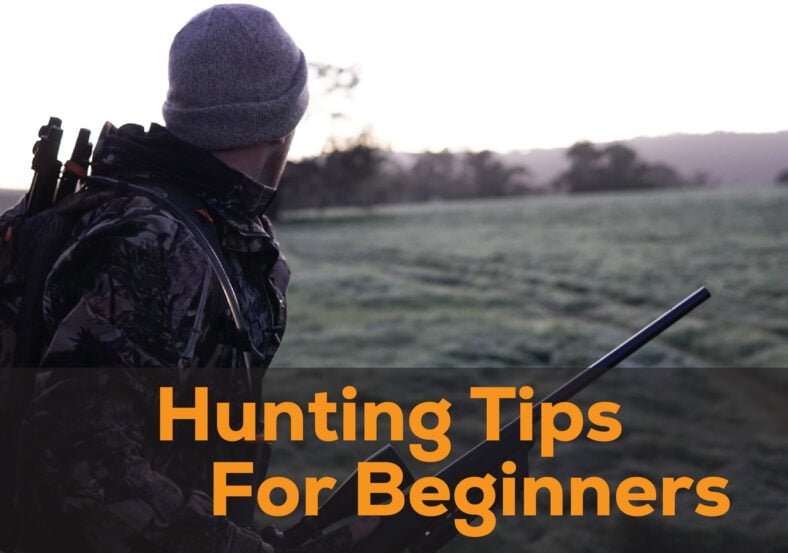
Hunting Tips for Beginners: Essential Advice to Get Started

Table of Contents

1. Introduction: Embarking on Your Hunting Journey

Hunting is a time-honored tradition that connects us with nature and provides a unique opportunity to harvest game. As a beginner, it’s important to approach hunting with the right mindset, proper knowledge, and essential skills. In this guide, we will provide you with valuable tips and advice to help you get started on your hunting journey.

2. Understanding Hunting Laws and Regulations

Researching Local Hunting Laws

Before heading into the field, familiarize yourself with the hunting laws and regulations specific to your area. Research the requirements for obtaining hunting licenses, permits, and tags, as well as any restrictions or special considerations for the game species you intend to hunt.

Obtaining the Necessary Licenses and Permits

Ensure that you have the appropriate licenses and permits for hunting. Visit your local wildlife agency or department to obtain the necessary documentation and information. It’s essential to hunt legally and responsibly, following all applicable rules and regulations.

Familiarizing Yourself with Hunting Season Dates

Take note of the hunting season dates for the game species you plan to pursue. Each species has specific seasons and bag limits, which may vary by location. Adhering to these dates and limits helps ensure sustainable game populations and responsible hunting practices.

3. Safety First: Prioritizing Hunter Safety

Handling Firearms Safely

Learn and practice proper firearm safety techniques. Always treat every firearm as if it is loaded, keep your finger off the trigger until ready to shoot, and never point a firearm at anything you do not intend to shoot. Take a hunter education course to gain essential knowledge about firearm safety.

Wearing Appropriate Safety Gear

Wear appropriate safety gear, including a blaze orange hat or vest, to enhance your visibility to other hunters in the field. Additionally, protect your eyes and ears by wearing shooting glasses and hearing protection.

Communicating and Hunting in Groups

If hunting in a group, establish clear communication and follow safe hunting practices. Clearly identify your hunting partners and establish safe zones of fire. Regularly communicate your positions and movements to avoid accidents and ensure everyone’s safety.

4. Choosing the Right Hunting Gear and Equipment

Selecting a Suitable Firearm or Bow

Choose a firearm or bow that matches your skill level and the game you plan to hunt. Seek advice from experienced hunters or consult with a knowledgeable retailer to select the appropriate equipment. Practice shooting and become familiar with your chosen weapon before heading into the field.

Essential Gear for Every Hunting Trip

Prepare a hunting checklist that includes essential gear such as navigation tools, a first aid kit, survival equipment, water, and snacks. Bring appropriate clothing layers for varying weather conditions, a knife for field dressing, and game bags for meat preservation.

Clothing and Camouflage for Concealment

Wear clothing appropriate for the hunting environment and season. Consider camouflage patterns that blend with the surroundings to break up your silhouette. Opt for moisture-wicking and scent-control clothing to minimize human odor and maximize your concealment.

5. Scouting and Locating Game

Identifying Signs of Animal Presence

Learn to identify signs of animal presence such as tracks, scat, rubs, and feeding areas. These signs can provide valuable insights into the movements and habits of game animals. Pay attention to fresh signs and recent activity to increase your chances of locating game.

Using Trail Cameras and Scouting Techniques

Trail cameras can be useful tools for monitoring game activity and patterns. Strategically place trail cameras in areas where game is likely to frequent, such as watering holes or game trails. Review the camera footage to gain knowledge about the size, behavior, and timing of game movement.

Studying Animal Behavior and Habitat

Take the time to study the behavior and habitat preferences of the game species you are targeting. Learn about their feeding patterns, preferred bedding areas, and daily movements. This knowledge will help you identify suitable hunting locations and develop effective hunting strategies.

6. Planning and Preparation for a Hunt

Researching Hunting Areas and Access Points

Research the hunting areas you plan to visit. Look for public lands, wildlife management areas, or private properties where hunting is allowed. Identify access points, parking areas, and any specific regulations or restrictions that apply to those areas.

Creating a Hunting Checklist

Prepare a detailed hunting checklist to ensure you have all the necessary equipment and supplies for your hunting trip. Include items such as licenses and permits, ammunition or arrows, hunting calls, binoculars, range finders, and any personal essentials for the duration of your hunt.

Developing a Hunt Plan and Strategy

Develop a hunt plan that outlines your objectives, hunting locations, and preferred techniques. Consider factors such as wind direction, topography, and the behavior of game animals. Be flexible and adjust your plan based on real-time field conditions.

7. Fieldcraft: Mastering Stealth and Concealment

Moving Quietly and Silently in the Field

Practice moving quietly and silently through the hunting area. Avoid sudden movements and be mindful of your surroundings. Slow, deliberate movements will help you remain undetected by game animals.

Utilizing Natural Cover and Terrain

Utilize natural cover, such as trees, bushes, or terrain features, to break up your silhouette and remain hidden. Take advantage of natural hiding spots and use them to your advantage when stalking or setting up for a shot.

Controlling Human Scent

Take steps to control your human scent by using scent-control products and practicing scent-masking techniques. Avoid wearing strong scented products and store your hunting clothing in a scent-free environment.

8. Shot Placement and Ethical Hunting

Understanding the Anatomy of Game Animals

Learn the anatomy of the game animals you are targeting. Understand the vital organs and aim for areas that will result in a quick and humane kill. Practice shooting from various angles and distances to improve your shot placement skills.

Aiming for Clean and Humane Kills

Always aim for clean and humane kills, prioritizing ethical hunting practices. Take shots within your effective shooting range and wait for the right opportunity to ensure a quick and clean kill. Avoid taking risky shots that may result in wounding an animal.

Knowing Your Effective Shooting Range

Know your effective shooting range and practice shooting at different distances. This will help you determine your limitations and ensure accurate and ethical shots. Remember that your effective shooting range may vary depending on factors such as your proficiency, equipment, and environmental conditions.

9. Tracking and Recovering Game

Reading Blood Trails and Signs

Learn how to read blood trails and signs left by wounded game. Observe the color, consistency, and quantity of blood to assess the severity of the hit. Follow the trail carefully, marking your progress, and use tracking techniques to locate and recover the wounded animal.

Tracking Techniques for Wounded Game

Utilize tracking techniques such as grid searching, marking blood spots, and observing the direction of travel. Stay focused and patient, following the trail step by step. Pay attention to any changes in blood sign and other animal behavior that may indicate the presence of the wounded game.

Utilizing Tracking Dogs if Available

If available, consider utilizing the services of a trained tracking dog to aid in recovering wounded game. Tracking dogs have a remarkable ability to follow scent trails and can greatly increase the chances of successful recovery.

10. Field Dressing and Processing Game

Proper Field Dressing Techniques

Learn proper field dressing techniques to ensure the preservation of meat and minimize spoilage. This includes gutting the animal, removing the internal organs, and cooling the carcass promptly. Follow sanitary practices and handle the meat with care to maintain its quality.

Preserving the Meat and Handling Game

Once the animal is field-dressed, take appropriate measures to preserve the meat. Cool it down as quickly as possible and consider using game bags to protect it from dirt and insects. If the weather permits, hang the carcass in a cool, well-ventilated area to age the meat.

Understanding Local Regulations for Transporting Game

Familiarize yourself with local regulations regarding the transportation of game. This includes tagging requirements, proper documentation, and any specific rules regarding the transportation of certain species. Ensure compliance with these regulations to avoid legal complications.

11. Frequently Asked Questions (FAQs)

1. Do I need to take a hunter education course before hunting? Hunter education courses are mandatory in many jurisdictions, especially for new hunters. These courses cover firearm safety, hunting ethics, regulations, and other important topics. Check with your local wildlife agency to determine the requirements in your area.

2. How do I find a hunting mentor or guide? Finding a hunting mentor or guide can be beneficial, especially for beginners. Reach out to local hunting organizations, sportsmen’s clubs, or online forums to connect with experienced hunters who may be willing to share their knowledge or offer guidance.

3. What are the best hunting seasons for beginners? Some popular hunting seasons for beginners include small game seasons such as squirrel or rabbit hunting. These seasons provide opportunities to learn fieldcraft, practice shooting skills, and gain valuable hunting experience.

4. Can I hunt on public lands? Public lands offer hunting opportunities in many areas, but specific regulations and restrictions may apply. Research the rules and obtain the necessary permits or licenses for hunting on public lands. Contact the managing agency to learn about any additional requirements or restrictions.

12. Conclusion: Embrace the Adventure of Hunting

As a beginner, hunting can be an exciting and rewarding outdoor pursuit. By understanding and following hunting laws, prioritizing safety, acquiring the right gear, honing your skills, and practicing ethical hunting, you can embark on a successful and enjoyable hunting journey. Remember to embrace the adventure, respect nature, and always strive to become a responsible and conservation-minded hunter. Happy hunting!

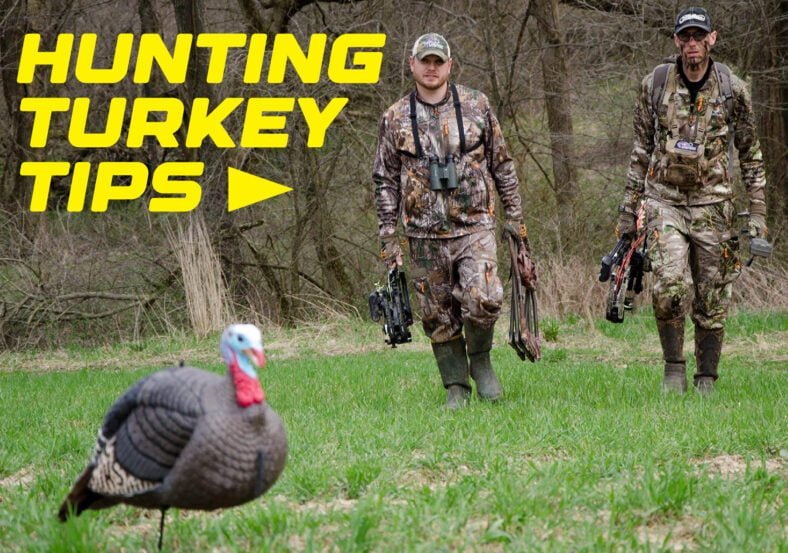
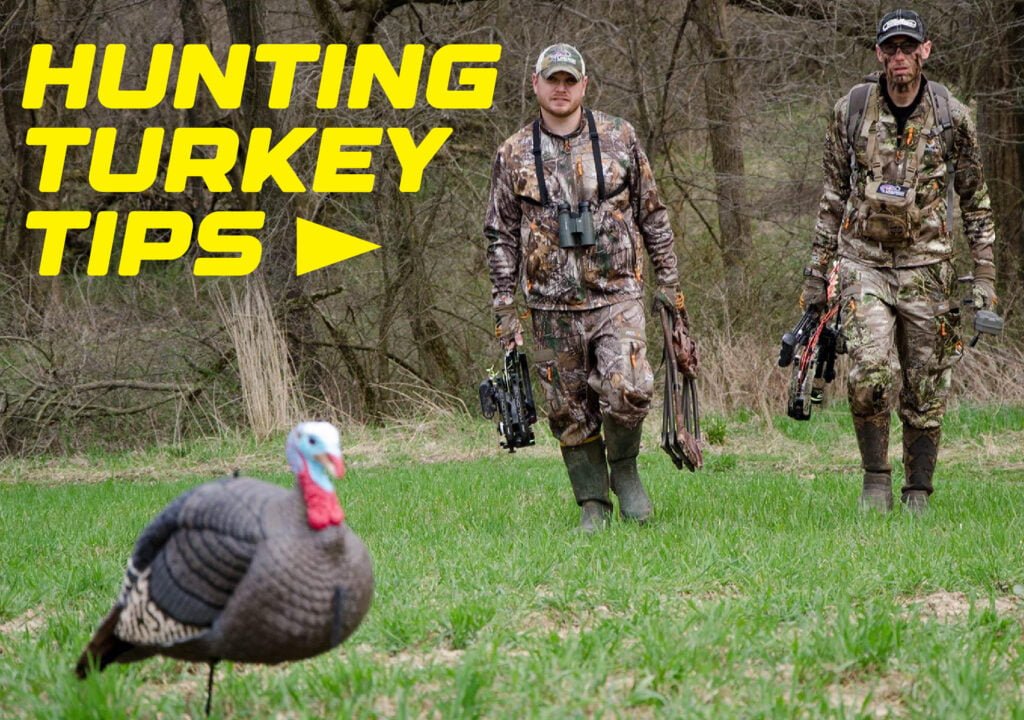
Hunting Turkey Tips: Techniques for a Successful Turkey Hunt

Table of Contents

1. Introduction: The Thrill of Turkey Hunting

Turkey hunting is a thrilling and challenging pursuit that tests the skills and patience of hunters. The elusive nature of wild turkeys and their keen senses make them a formidable game species. In this guide, we will explore tips and techniques to enhance your turkey hunting experience and increase your chances of success.

2. Understanding Turkey Behavior and Habitat

Turkey Species and Their Characteristics

Different species of turkeys, such as the Eastern, Osceola, Rio Grande, Merriam’s, and Gould’s, have distinct characteristics and inhabit specific regions. Understanding their behavior, vocalizations, and habitat preferences will help you tailor your hunting strategies accordingly.

Identifying Turkey Habitat and Roosting Sites

Turkeys prefer habitats with a mix of open fields, woodlands, and roosting trees. Look for areas with abundant food sources, such as acorns, insects, and plants. Identify roosting sites, where turkeys spend their nights, by scouting for large trees with droppings and feathers underneath.

Learning Turkey Vocalizations and Behavior

Turkeys communicate through a variety of vocalizations, including gobbles, yelps, clucks, purrs, and cutts. Familiarize yourself with these calls and practice replicating them using turkey calls. Understanding turkey behavior, such as their mating rituals and responses to calls, will improve your hunting success.

3. Essential Gear for Turkey Hunting

Choosing the Right Shotgun and Ammunition

Select a shotgun suitable for turkey hunting, typically in 12 or 20 gauge. Opt for a shotgun with a shorter barrel length for maneuverability in tight hunting spaces. Use specialized turkey loads, such as 3″ or 3.5″ shells with tight chokes, to ensure sufficient power and effective shot patterns.

Turkey Decoys and Calls: Mimicking the Real Thing

Decoys play a crucial role in attracting turkeys within shooting range. Use hen or tom decoys to create a realistic setup. Experiment with different decoy setups, such as breeding, feeding, or strutting positions, to match the behavior of turkeys in your hunting area. Practice using turkey calls to imitate various vocalizations and lure turkeys closer.

Camouflage Clothing and Proper Concealment

Wear camouflage clothing that matches the surroundings to blend in with the environment. Choose patterns that match the foliage and terrain of your hunting area. Use face masks, gloves, and head coverings to conceal any exposed skin. Utilize natural cover and set up blinds or natural hides to remain hidden from the sharp eyesight of turkeys.

4. Planning and Preparation for a Turkey Hunt

Scouting: Locating Turkey Roosts and Feeding Areas

Scout your hunting area before the season to locate turkey roosts, feeding areas, and travel corridors. Look for fresh turkey sign, such as tracks, droppings, and scratchings. Set up trail cameras to monitor turkey activity and determine their patterns and routines.

Observing Turkey Patterns and Routines

Observe turkeys from a distance to understand their movement patterns and daily routines. Pay attention to their feeding times, preferred strutting areas, and travel routes. This information will help you choose the best hunting spots and plan your approach accordingly.

Mapping Out Hunting Spots and Routes

Create a map of your hunting area, marking key locations such as roosting sites, feeding areas, and strutting zones. Plan your hunting spots and routes based on turkey activity and accessibility. Identify potential ambush points or areas with good visibility for calling and decoying setups.

5. Hunting Techniques for Turkey

Setting Up and Calling from a Blind

Set up a ground blind in a strategic location to provide concealment and improve your chances of getting close to turkeys. Position yourself within shooting range of known turkey travel routes or feeding areas. Use turkey calls, such as hen yelps or gobbler gobbles, to attract turkeys to your location.

Decoy Strategies: Attracting and Fooling Turkeys

Use turkey decoys to create a realistic scenario that attracts turkeys. Place the decoys in visible locations, such as fields or open areas, to catch the attention of approaching birds. Experiment with different decoy setups and movements to mimic the behavior of turkeys in the wild.

Ambushing and Stalking: Pursuing Turkeys on Foot

Ambushing and stalking techniques involve moving quietly and slowly towards turkeys to get within shooting range. Use natural cover, such as trees, rocks, or terrain features, to break up your silhouette. Make use of available foliage and vegetation to conceal your movements.

6. Shot Placement and Ethical Turkey Hunting

Identifying Vital Areas for Clean and Humane Kills

When taking a shot at a turkey, aim for the vital areas, including the head and neck or the vital zone on the body. Aiming for the head and neck provides a quick and ethical kill. If targeting the body, aim for the vitals, which are located around the base of the wing or slightly above the legs.

Understanding Effective Shooting Distances

Know your effective shooting range and pattern your shotgun to understand its spread at various distances. Most turkey hunts take place within 20-40 yards. Practice shooting from different positions and distances to build confidence and ensure accurate shot placement.

Practicing Proper Shot Placement

Practice shooting at turkey targets to simulate real hunting scenarios. Focus on shot placement and accuracy, aiming for the small vital areas. Proper shot placement ensures a clean kill and reduces the risk of wounding a bird.

7. Safety Considerations for Turkey Hunting

Hunter Safety: Awareness and Precautions

Prioritize hunter safety by always treating your firearm as if it is loaded and keeping the muzzle pointed in a safe direction. Be aware of your surroundings and the presence of other hunters. Wear hunter orange or other highly visible clothing to enhance visibility and avoid mistaken identity.

Identifying Target and Beyond: Avoiding Accidents

Ensure you have a clear view of your target and positively identify it as a legal and safe shot. Be aware of what is beyond your target, as bullets or pellets can travel a significant distance. Avoid shooting at sounds or movements without confirming the presence of a turkey.

Communicating and Hunting with Partners

If hunting with a partner, establish clear communication and follow safe hunting practices. Use hand signals or agreed-upon communication methods to avoid accidental incidents. Maintain a safe distance from each other and always know each other’s location.

8. Frequently Asked Questions (FAQs)

1. What is the best time of day to hunt turkeys? Turkeys are most active during the early morning hours after they fly down from their roosts and in the late afternoon before they return to roost. However, turkeys can be hunted throughout the day, and different times may be more favorable depending on their behavior and environmental factors.

2. How important is camouflage clothing for turkey hunting? Camouflage clothing is crucial for blending in with the surroundings and concealing your movements. Turkeys have excellent eyesight and can easily detect unnatural or out-of-place colors. Proper camouflage helps you remain hidden and increases your chances of a successful hunt.

3. What is the effective range of a shotgun for turkey hunting? Shotgun effective range depends on several factors, including the type of ammunition, choke used, and personal shooting proficiency. Most turkey hunters prefer to keep shots within 40 yards for maximum effectiveness, but practice shooting and pattern your shotgun to determine your personal effective range.

4. How can I improve my turkey calling skills? Improving turkey calling skills requires practice and familiarity with different vocalizations. Listen to recordings of turkeys in the wild, study their sounds, and practice mimicking them using turkey calls. Consider using instructional videos or seek guidance from experienced turkey hunters to refine your techniques.

9. Conclusion: The Adventure of Turkey Hunting

Turkey hunting offers a thrilling and challenging outdoor pursuit that tests both your skills and patience. By understanding turkey behavior, utilizing proper gear and techniques, and prioritizing safety and ethical hunting practices, you can enhance your chances of a successful turkey hunt. Enjoy the adventure, embrace the excitement of calling in a wild turkey, and cherish the memories created in the pursuit of these magnificent birds. Happy turkey hunting!

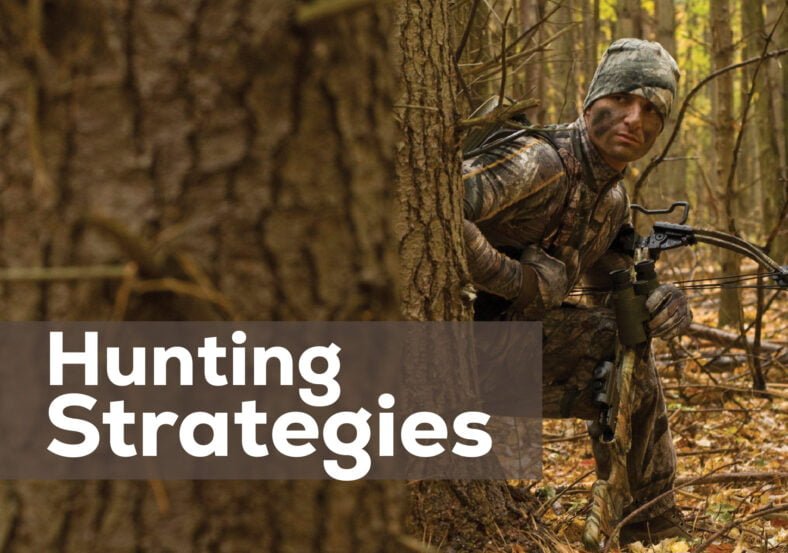
Hunting Strategies: Techniques and Approaches for a Successful Hunt

Table of Contents

1. Introduction: The Art and Science of Hunting

Hunting is a time-honored tradition that requires a combination of skill, knowledge, and patience. It involves understanding the habits and behavior of game species, adapting to different environments, and employing various strategies to increase the chances of a successful hunt. In this guide, we will explore different hunting strategies and techniques that can be applied across different game species and hunting scenarios.

2. Preparing for the Hunt: Research and Planning

Understanding the Target Species

Before heading out into the field, it is crucial to research and understand the behavior, habitat, and patterns of the target species. Learn about their feeding habits, preferred terrain, breeding seasons, and other relevant information. This knowledge will guide your hunting strategies and increase your chances of encountering game.

Studying the Hunting Area

Familiarize yourself with the hunting area by studying maps, satellite imagery, and topographic features. Look for key elements such as food sources, water bodies, bedding areas, and travel corridors. Understanding the terrain and the layout of the land will help you identify potential hunting locations.

Checking Regulations and Obtaining Permits

Ensure that you are familiar with the hunting regulations and seasons in your area. Obtain the necessary permits and licenses to hunt legally and responsibly. Stay informed about any specific rules or restrictions pertaining to the target species and the hunting area.

3. Scouting and Locating Game

Identifying Signs of Animal Presence

Learn to read the signs of animal presence, such as tracks, droppings, rubs, scrapes, and bedding areas. Pay attention to fresh sign and understand the difference between old and new tracks or marks. By observing these signs, you can determine the presence and activity of game in the area.

Using Trail Cameras and Scouting Techniques

Trail cameras can be valuable tools for scouting game and gathering information about their movement patterns. Place trail cameras strategically along game trails, feeding areas, or water sources to capture images or videos of game species. Review the footage to identify patterns and plan your hunting accordingly.

Learning Animal Behavior and Patterns

Study the behavior and patterns of the target species to anticipate their movements and increase your chances of encountering game. Understand their feeding routines, bedding areas, travel corridors, and response to different environmental factors such as weather conditions or hunting pressure.

4. Stand Hunting: Patience and Ambush

Choosing the Right Tree Stand or Ground Blind

Stand hunting involves setting up in a tree stand or ground blind and patiently waiting for game to come within range. Choose a stand or blind that offers good visibility of the hunting area and provides adequate cover and concealment.

Setting Up in Strategic Locations

Identify strategic locations such as natural funnels, pinch points, or transition areas where game is likely to pass through. Set up your stand or blind in a position that allows for a clear shooting lane and takes advantage of natural features that funnel game towards you.

Utilizing Scent Control and Concealment

Minimize human scent by using scent-control products, practicing scent-masking techniques, and paying attention to wind direction. Wear camouflage clothing that matches the environment and use natural cover to break up your silhouette.

5. Spot-and-Stalk: Stealth and Pursuit

Using Optics to Locate Game from a Distance

Spot-and-stalk hunting involves using binoculars or spotting scopes to locate game from a distance. Scan the terrain carefully, focusing on open areas, ridges, or feeding zones where game may be visible. Patience and glassing techniques are essential for spotting game.

Closing the Distance with Stealthy Movements

Once you spot game, employ stealthy movements to close the distance and get within shooting range. Move slowly and deliberately, using natural cover, terrain features, or vegetation to remain concealed. Pay attention to the game’s line of sight and any potential noise that may alert them.

Timing and Taking Advantage of Natural Obstacles

Take advantage of natural obstacles such as hills, valleys, or dense vegetation to conceal your movements and approach game. Time your stalks to coincide with moments when game is distracted, such as when feeding or bedding down.

6. Calling and Decoying: Mimicking Prey and Attracting Game

Understanding Animal Vocalizations and Rutting Seasons

Learn to mimic the vocalizations of game species during their rutting seasons or specific times of the year. Practice using calls such as grunt calls, rattling antlers, or turkey calls to simulate natural sounds that can attract curious or territorial game.

Using Calls and Decoys to Lure Game

Utilize calls and decoys to create realistic scenarios that attract game. Calls can imitate mating calls, distress calls, or social interaction sounds, while decoys can visually stimulate game by simulating other animals or potential mates. Understand the species-specific calling techniques and use them effectively.

Mastering the Art of Effective Calling Techniques

Mastering effective calling techniques requires practice, patience, and observation. Learn the different tones, cadences, and intensities of calls specific to each species. Experiment with different calling sequences and observe how game responds in different situations.

7. Tracking and Trailing: Reading Signs and Following Trails

Interpreting Tracks, Scat, and Other Animal Signs

Develop the ability to interpret tracks, scat, and other animal signs to understand the movement patterns and behavior of game. Learn to differentiate between tracks of different species, identify the freshness of sign, and anticipate the direction in which the animal is headed.

Following Blood Trails and Recovering Wounded Game

Tracking wounded game requires skill and determination. Learn to read blood trails and track wounded animals by observing the color, consistency, and location of blood droplets. Be patient, methodical, and ensure you have the necessary skills to recover the game ethically.

Using Tracking Dogs and Technology for Assistance

Tracking dogs can be invaluable in locating wounded game or following difficult trails. Training and using tracking dogs can significantly increase the chances of successful recovery. Additionally, technology such as GPS devices can aid in marking and tracking the movement of game.

8. Hunting Strategies for Specific Game Species

Deer Hunting Strategies

Deer hunting requires a combination of patience, stealth, and understanding deer behavior. Strategies may include stand hunting near feeding areas or travel corridors, rattling during the rut, or spot-and-stalk techniques in certain situations.

Elk Hunting Strategies

Elk hunting often involves bugling and cow-calling techniques to attract bulls during the rut. Spot-and-stalk strategies can also be effective when locating elk in open or mountainous terrain.

Turkey Hunting Strategies

Turkey hunting involves calling techniques to mimic hen vocalizations and attract gobblers. Setting up near roosting sites or utilizing blinds can increase the chances of a successful turkey hunt.

Waterfowl Hunting Strategies

Waterfowl hunting requires careful concealment, decoy setups, and calling techniques to lure ducks or geese within range. Understanding migration patterns and scouting locations with high waterfowl activity are key factors in waterfowl hunting success.

9. Safety and Ethical Considerations in Hunting

Practicing Firearm Safety and Hunter Education

Prioritize safety by adhering to firearm safety rules, using proper shooting techniques, and attending hunter education courses. Understand your equipment, practice responsible firearm handling, and always prioritize the safety of yourself and others in the hunting party.

Adhering to Hunting Ethics and Regulations

Hunting ethics involve respecting the game, following hunting regulations, and promoting fair chase. Hunt responsibly, take ethical shots within your effective range, and engage in conservation efforts to ensure the sustainability of wildlife populations and their habitats.

Respecting Wildlife and Their Habitats

Maintain a deep respect for wildlife and their habitats by minimizing disturbance and leaving no trace. Respect their natural behavior, avoid unnecessary stress to game animals, and promote the conservation and preservation of their habitats.

10. Frequently Asked Questions (FAQs)

1. What is the best time of day to hunt? The best time to hunt depends on the species and their behavior. Generally, game animals are most active during the early morning and late afternoon hours, known as the “golden hours.”

2. How can I improve my shooting accuracy for hunting? Improving shooting accuracy requires regular practice, proper form, and understanding the ballistics of your equipment. Practice shooting from different positions and distances to build confidence and consistency.

3. What should I do if I get lost while hunting? If you get lost while hunting, stay calm, retrace your steps, and use navigational tools such as a compass or GPS device. If necessary, find a safe location and signal for help using a whistle or other signaling methods.

4. Can I hunt on public lands? Yes, hunting on public lands is allowed in many areas, but specific regulations and restrictions may apply. Research the rules and obtain the necessary permits or licenses for hunting on public lands.

11. Conclusion: The Thrill of the Hunt and Conservation

Hunting strategies encompass a diverse range of techniques and approaches that can be tailored to different game species and hunting environments. By understanding the behavior of game, practicing different hunting methods, and adhering to ethical guidelines, hunters can increase their chances of a successful and rewarding hunt. Remember to always prioritize safety, respect wildlife and their habitats, and contribute to the conservation and preservation of our natural resources. Happy hunting!

Exit mobile version