The Complete Guide to Whitetail Deer Hunting in Texas

Table of contents

Introduction

Hunting whitetail deer in Texas is an age-old tradition, interwoven with the tapestry of its culture and way of life. With over four million whitetail deer across its expansive landscapes, the Lone Star State offers a hunting experience like no other. Whether you’re a seasoned hunter or a novice venturing into the wilderness for the first time, this comprehensive guide will provide you with the essential knowledge and tips for a successful whitetail deer hunting experience.

An Overview of the Texas Whitetail Deer

The allure of whitetail deer hunting lies in the unique challenge they present. As one of the most sought-after game animals in Texas, they have adapted to a range of environments and developed remarkable survival instincts.

Understanding the Whitetail Deer

Whitetail deer are agile, fast, and possess highly tuned senses. They can sprint up to 30 miles per hour and are known for their distinctive “bounding” flight pattern when startled.

Distribution of Whitetail Deer in Texas

Whitetail deer are widespread across Texas, with significant populations in the brush country of South Texas, the Pineywoods of East Texas, and the scenic Hill Country in Central Texas.

The Significance of the Whitetail Deer

The whitetail deer is an iconic species in Texas and plays a pivotal role in its ecosystems. The hunting of this animal also brings substantial revenue to the state’s economy.

Pre-Hunt Preparations

Preparing for a whitetail deer hunt involves thorough planning and preparation. This includes understanding your quarry, selecting appropriate gear, and familiarizing yourself with Texas hunting regulations.

Scouting: Your First Step

Scouting is the cornerstone of successful hunting. Understand the deer’s movement patterns, food and water sources, and bedding areas. Use trail cameras to gather this valuable information.

Gear Selection: Equipping Yourself

Having the right hunting gear is critical. Depending on your hunting method, this could include firearms or bows, suitable ammunition or arrows, hunting blinds or tree stands, camouflage clothing, and binoculars.

Texas Hunting Regulations: Know the Law

Familiarize yourself with Texas hunting regulations. These cover aspects like hunting season dates, hunting hours, bag limits, and other specific regulations pertaining to whitetail deer hunting.

Hunting Strategies

Effective hunting strategies are a result of thorough scouting, understanding deer behavior, and adapting to real-time situations in the field.

Locating the Deer

Use your scouting data to locate deer. Tracks, rubs, scrapes, and droppings are signs of deer presence.

Stalking vs. Stand Hunting

The choice between stalking—moving slowly and silently to get a shot at a deer—and stand hunting—waiting in one spot for a deer to come to you—depends on your personal preference and the terrain.

Timing Your Hunt

Time your hunt to coincide with peak deer movement. Typically, this is during early morning and late afternoon hours. The rut (mating season) is another period of increased activity.

The Moment of Truth – Making Your Shot

Once you’ve located a deer and are within shooting distance, the moment of truth arrives. Your aim, shot placement, and the choice of firearm or bow will determine the outcome.

Firearm Hunting: Choosing the Right Caliber

The choice of caliber for whitetail deer hunting depends on a variety of factors including personal preference, shooting ability, and the size of the deer in your hunting area.

Bow Hunting: Harnessing the Ancient Skill

Bow hunting requires more skill and offers a different thrill. It requires precise shot placement and usually a closer approach to the deer.

Making a Clean, Humane Shot

Ethical hunting mandates that every shot you take should be intended to bring down the deer as quickly and humanely as possible.

After the Shot – Tracking and Field Dressing

Taking the shot is just part of the hunting process. Tracking the deer after the shot and properly field dressing it is equally crucial.

Tracking the Deer

If the deer doesn’t drop instantly, wait for a while to let the deer expire before you start tracking it. Look for signs like blood trails and broken vegetation.

Field Dressing: Preserving the Meat

Field dressing the deer as soon as possible is crucial to ensure the meat doesn’t spoil. This involves removing the deer’s internal organs to cool the body cavity.

Conclusion

Whitetail deer hunting in Texas offers an unrivaled outdoor experience. With proper planning, preparation, and an understanding of the deer and their environment, hunters can look forward to an unforgettable hunting adventure.


Frequently Asked Questions

1. What is the best time of year for whitetail deer hunting in Texas?

Whitetail deer hunting season in Texas typically begins in November and can extend into January. It varies depending on the county and method of hunting, so check the Texas Parks & Wildlife Department website for specific dates.

2. How many whitetail deer can I legally harvest in Texas?

Bag limits for whitetail deer in Texas vary by county, so you’ll need to refer to the Texas Parks & Wildlife Department’s county-specific regulations for details.

3. What are some popular areas to hunt whitetail deer in Texas?

The South Texas brush country, the Hill Country, and the Pineywoods of East Texas are known for their abundant whitetail deer populations.

4. Do I need permission to hunt on private property in Texas?

Yes, hunting on private property without the owner’s permission is illegal in Texas. Make sure to secure permission or lease hunting rights before you hunt.

5. What type of weapon is best for whitetail deer hunting in Texas?

This is largely a matter of personal preference. Some hunters prefer the long-range precision of a rifle, while others prefer the challenge and closer engagement that comes with using a bow.
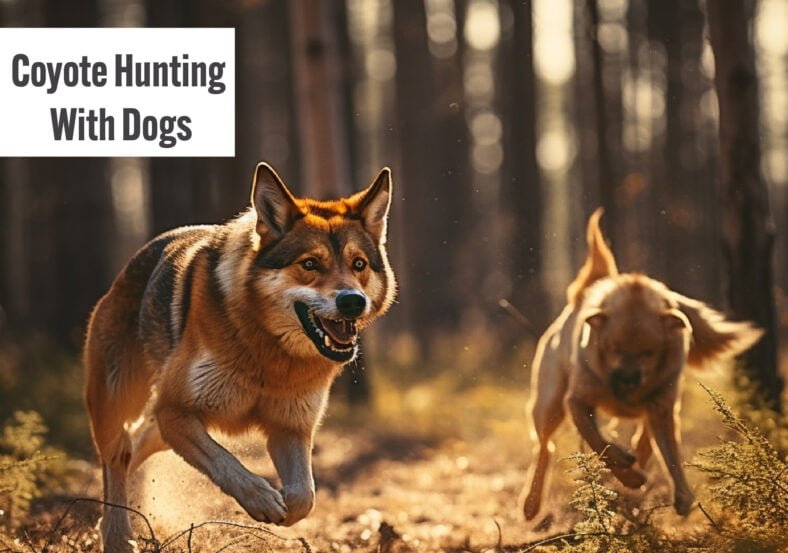
An In-Depth Guide to Coyote Hunting with Dogs

Table of contents

Introduction

Coyote hunting with dogs – it’s an adrenaline-charged journey that reflects the primordial dance between the hunter and the hunted. This tradition is not merely about the thrill of the hunt but serves a practical purpose in controlling the coyote population, safeguarding livestock, and fostering a unique partnership between man and dog. If you’ve ever felt the call of the wild and the urge to engage in this primal pursuit, here is a comprehensive, detailed guide on coyote hunting with dogs.

Understanding the Quarry – The Coyote

In the first chapter of this exciting journey, it’s crucial to understand the animal you’re about to hunt. Coyotes, known for their cunning and adaptability, make a challenging and elusive quarry. Let’s dive deeper into their characteristics.

Coyote Senses

Coyotes possess remarkable senses. Their sight, hearing, and smell are extremely keen, and they can detect even the slightest hint of danger. Understanding this will help you plan your hunting strategy.

Coyote Speed

Coyotes are sprinters and can reach speeds up to 40 miles per hour. This speed, coupled with their endurance, can turn a hunt into a marathon pursuit.

Coyote Behavior

Coyotes are most active at dawn and dusk. Understanding their feeding and breeding habits, territorial behaviors, and movement patterns is key to a successful hunt.

Choosing Your Canine Companions

Your four-legged partners in this venture are just as important as your own skills and knowledge. There are typically three types of dogs involved in coyote hunting: hounds, terriers, and herding dogs.

Hounds for Hunting

Hounds like the American Foxhound and Plott Hound have excellent tracking abilities. Their incredible sense of smell makes them the perfect candidates for tracking and chasing coyotes.

Terriers in the Field

Terrier breeds such as the Airedale and Jack Russell are small and agile, making them ideal for driving coyotes out from their dens.

Herding Dogs and Protection

Herding dogs such as the Border Collie and Australian Shepherd are traditionally used for livestock protection. Their keen intelligence and protective nature make them valuable allies in deterring coyotes.

Training for the Hunt

Training your dogs for the hunt is a comprehensive process. It involves not just teaching them how to track and chase, but also establishing obedience and building their physical condition.

Obedience Training

A good hunting dog should be obedient. Teaching basic commands like ‘sit’, ‘stay’, ‘come’, and ‘heel’ forms the foundation of hunting dog training.

Conditioning Training

Hunting is a physically demanding activity. Your dogs need to be in peak physical condition. Regular exercise and a balanced diet are key to keeping your dogs healthy and ready for the hunt.

Tracking Training

Teaching your dogs to track scents is a crucial part of hunting dog training. Start by dragging a scent rag along the ground and rewarding your dogs when they successfully follow the scent.

Scouting for Success

The next step in your hunting preparation is scouting. Understanding the terrain, identifying signs of coyote presence, and planning your hunting strategy are all elements of this phase.

Identifying Coyote Signs

Tracks, droppings, and signs of kills are all indications of coyote presence. Learning to identify these signs will help you locate your quarry.

Understanding the Terrain

Different terrains call for different strategies. Familiarize yourself with the area where you plan to hunt. Look for vantage points, cover, and potential hazards.

Planning Your Strategy

Based on your understanding of coyotes and the terrain, plan your hunting strategy. Decide where to position your dogs, when to start the chase, and how to drive the coyotes.

The Thrill of the Hunt

With your dogs trained and your strategy planned, it’s time for the hunt. Your dogs will be your partners, guiding you to your quarry.

Starting the Hunt

The start of the hunt is a crucial phase. Position your dogs based on your strategy and release them when the time is right.

Pursuing the Coyote

Once the chase is on, trust in your dogs and follow their lead. Remember, coyote hunting is a test of endurance, so pace yourself.

Ending the Hunt

If all goes well, your hunt will end with a successful catch. Remember to always prioritize safety – both yours and your dogs’.

The Post-Hunt Routine

After the excitement of the hunt, it’s time to care for your canine companions. Check them for injuries, and make sure they’re properly rested and fed.

Before embarking on a coyote hunting adventure, it’s essential to understand the laws and regulations. Always check the local hunting regulations and ensure you have the required permissions.

Conclusion

Coyote hunting with dogs is an adventure filled with thrills and challenges. With proper understanding, preparation, and respect for nature, it becomes a rewarding experience that deepens the bond between you and your canine companions.


Frequently Asked Questions

1. What are the legalities involved in coyote hunting with dogs?

Ans. Coyote hunting regulations differ by state. Always refer to your local wildlife agency or game warden to stay informed about the rules in your region.

2. Which dog breeds are best suited for coyote hunting?

Ans. Breeds such as the American Foxhound, Plott Hound, Airedale Terrier, Jack Russell Terrier, Border Collie, and Australian Shepherd have proven effective in coyote hunting.

3. What’s the best time to hunt coyotes?

Ans. While coyotes can be hunted year-round in many places, they are most active at dawn and dusk.

4. Is it dangerous for dogs to hunt coyotes?

Ans. Yes, hunting coyotes can pose risks to dogs, especially during close encounters. Therefore, maintaining safety measures and monitoring your dogs during the hunt is crucial.

5. How should I train my dog for coyote hunting?

Ans. Start with basic obedience training, move on to conditioning exercises, and then introduce tracking drills. Consistent training from a young age will yield the best results.

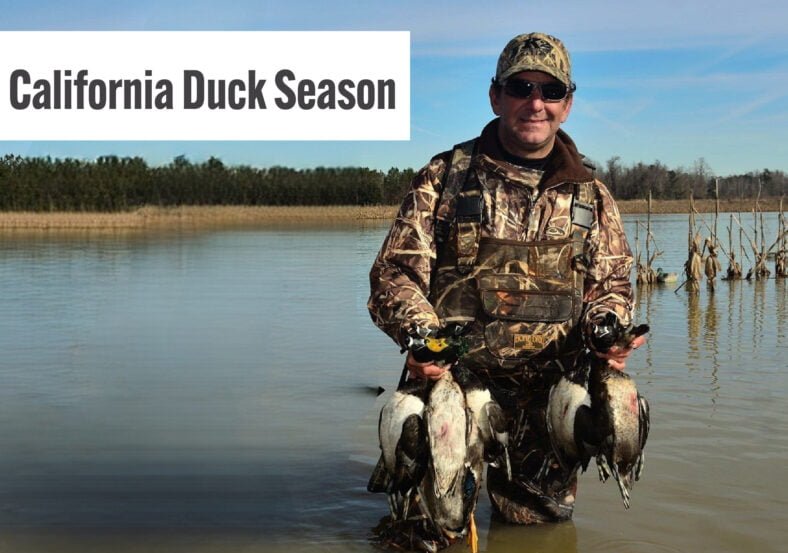
California Duck Season: A Comprehensive Guide of Timing, Essential’s and Limits

Table of contents

Introduction

Have you ever considered the thrill of hunting during California’s duck season? Well, you’re not alone! Thousands of people enjoy this sport every year in the Golden State. But why, you may ask? Well, let’s dive in and find out!

The Excitement of Duck Hunting

Duck hunting in California is akin to a treasure hunt. With a myriad of species flying overhead, each venture out into the marsh becomes an exhilarating chase. But remember, this isn’t just about the thrill; it’s about respect for nature and responsible hunting.

Understanding Duck Season

Each year, California sets specific dates for duck hunting season. These dates vary depending on local migration patterns, duck population sizes, and other ecological factors. In essence, understanding duck season requires an understanding of the intricate balance of nature.

California’s Duck Species

In California, hunters can expect to encounter numerous species of ducks. From Mallards and Pintails to Green-winged Teals and Wigeons, the diversity is astonishing. But what does each species bring to the hunting experience?

Mallards

Mallards are arguably the most recognizable duck species. Known for their distinctive coloring and larger size, they’re a favorite among hunters.

Pintails

Pintails are known for their elegance. With their long, slender necks and distinctive markings, they add a touch of beauty to the hunting experience.

Green-winged Teals

Green-winged Teals are one of the smallest species of ducks. But don’t let their size fool you; these little birds can offer quite a challenge.

Wigeons

Wigeons are distinctive with a white stripe running down their crown. They’re strong, fast flyers, offering a significant challenge for any hunter.

Essential Hunting Gear

Now that we know what we’re hunting, let’s talk about the gear. From decoys and calls to camo and shotguns, let’s ensure you’re well-prepared for the season.

Decoys

Duck decoys are crucial to attract your target closer to your position. Whether it’s a Mallard or a Pintail, having the right decoy can make a significant difference.

Calls

Mastering duck calls can be an art. Each species has its unique call, and mimicking them well can significantly enhance your hunting experience.

Camo

To successfully hunt ducks, you need to blend into your surroundings. Wearing the right camouflage is key to avoid scaring away your targets.

Shotguns

Whether you prefer a semi-automatic or pump-action shotgun, you’ll need a reliable firearm to bag your ducks.

Just like every other hunting activity, duck hunting in California is regulated by the California Department of Fish and Wildlife. Therefore, understanding the legal aspects and obtaining the necessary licenses and permits is of utmost importance.

Pre-Season Scouting

Scouting before the season begins is essential. Identifying popular water bodies, understanding migration patterns, and getting a feel for the ducks’ daily routines can set you up for a successful hunting season.

Etiquette and Ethics

While hunting can be a thrilling activity, it’s crucial to maintain ethical standards. Hunting should always be a sustainable activity, ensuring the conservation of wildlife populations for future generations.

2023-2024 Regulations

Seasons and Bag / Possession Limits by Zone


AREA SPECIES SEASONS DAILY BAG & POSSESSION LIMITS
Statewide Coots & Moorhens Concurrent w/duck season 25/day. 75 in possession.
Northeastern Zone Ducks Oct 7 – Jan 17 7/day, which may include: 7 mallards (no more than 2 females), 1 pintail, 2 canvasback, 2 redheads, 2 scaup.
Possession limit: triple the daily bag.
Scaup Oct 7 – Dec 3 &
Dec 21 – Jan 17
Geese Regular Season
Canada Geese:
Oct 7 – Jan 14
White and white-fronted geese:
Oct 7 – Dec 3 &
Jan 4 – Jan 17

Late Season of White and white–fronted geese:


Feb 7 – Mar 10 30/day, which may include: 20 white geese, 10 dark geese (no more than 2 Large Canada geese).
Possession limit triple the daily bag.


Southern San Joaquin Valley Zone Ducks Oct 21 – Jan 31 7/day, which may include: 7 mallards (no more than 2 females), 1 pintail, 2 canvasback, 2 redheads, 2 scaup.
Possession limit triple the daily bag.
Scaup Nov 7 – Jan 31
Geese Oct 21 – Jan 31 30/day, which may include: 20 white geese, 10 dark geese.
Possession limit triple the daily bag.


Southern California Zone Ducks Oct 21 – Jan 31 7/day, which may include: 7 mallards (no more than 2 females), 1 pintail, 2 canvasback, 2 redheads, 2 scaup.
Possession limit triple the daily bag.
Scaup Nov 7 – Jan 31
Geese Oct 21 – Jan 31 23/day, which may include: 20 white geese, 3 dark geese.
Possession limit triple the daily bag.


Colorado River Zone Ducks Oct 23 – Jan 31 7/day, which may include: 7 mallards (no more than 2 females or Mexican ducks), 1 pintail, 2 canvasback, 2 redheads, 2 scaup.
Possession limit triple the daily bag.
Scaup Nov 7 – Jan 31
Geese Oct 23 – Jan 31 24/day, up to 20 white geese, up to 4 dark geese.
Possession limit triple the daily bag.
Balance of State Zone Ducks Oct 21 – Jan 31 7/day, which may includ

Conclusion

In essence, duck hunting in California is an adventure steeped in anticipation, respect for nature, and the thrill of the hunt. With the right knowledge, gear, and respect for regulations, it can be an incredibly fulfilling experience.


Frequently Asked Questions

1. When does the California duck season usually start?

The duck season in California typically starts in October. However, dates may vary each year based on ecological factors and regulatory decisions.

2. What are the bag limits during the duck hunting season?

Bag limits depend on the species and the population size in a given year. For the most accurate information, always refer to the California Department of Fish and Wildlife’s official guidelines.

3. What is the best time of day for duck hunting?

Ducks are typically most active during the early morning and late afternoon hours. However, patterns may vary based on the weather and specific locations.

4. Do I need a special permit for duck hunting in California?

Yes, you will need a hunting license and a California Duck Validation. If you’re hunting on federal lands, you may also need a Federal Duck Stamp.

5. What kind of shotgun is best for duck hunting?

Shotgun choice is largely a matter of personal preference. However, 12-gauge shotguns are commonly used for duck hunting due to their versatility and effectiveness.

Bear Hunter Dog Breeds: Canine Companions for the Brave and Daring

Table of contents

Introduction

Dogs have been companions to humans for thousands of years, lending their incredible sense of smell, agility, and endurance to various tasks – from herding sheep to hunting game. Discover the courage and strength of the top bear hunter dog breeds. Choose the best hunting dog for your adventures. It requires strength, bravery, tenacity, and a keen sense of smell. However, some breeds were specifically developed for this purpose and have proven to be remarkable allies to bear hunters.

History of Dogs in Bear Hunting

Since their domestication, humans have used dogs for hunting, and their role in bear hunting holds historical significance. Early humans would rely on dogs to help locate, chase, and corner large game, including bears. Selective breeding emphasized specific traits, resulting in the creation of breeds with a particular aptitude for bear hunting.

Breeds Known for Bear Hunting

There are several breeds that are well-suited to bear hunting. Here’s a detailed look at some of them:

  • Karelian Bear Dogs: Karelian Bear Dogs, renowned for their bear hunting abilities, exhibit agility, courage, and tenacity. They track, corner, and hold bears at bay until hunters can approach. Additionally, they serve in bear control efforts in national parks. Their thick coat protects them from harsh weather, while their agility allows them to navigate rough terrain effectively.
  • Plott Hounds: Plott Hounds, named after the Plott family, developed the breed to be tenacious and powerful hunters. They originate from North Carolina and are renowned for their grit, determination, and exceptional tracking skills. Their muscular build and sharp senses make them excellent choices for hunting large game, including bears.
  • Akita Inu: Akitas were originally bred in Japan for hunting big game such as bears, boars, and deer. These powerful dogs combine strength and agility, making them formidable hunters. Their thick double coat protects them from cold weather, while their keen senses allow them to track game effectively.
  • American Black and Tan Coonhounds: Known for their superb tracking skills, these dogs are often used to hunt large game. Their keen sense of smell, combined with their endurance and tenacity, makes them well-suited for bear hunting.

Selecting Your Bear Hunting Dog

Choosing a bear hunting dog requires careful consideration. You need to account for the breed’s physical capabilities, temperament, and training needs. Furthermore, your hunting style, the terrain you’ll be hunting in, and local hunting regulations may also influence your choice. It’s essential to remember that bear hunting dogs should be brave, resilient, and tenacious, with a strong sense of smell and the ability to navigate rugged terrains.

Training Your Bear Hunting Dog

Training a bear hunting dog is a comprehensive process that requires time, patience, and a methodical approach. Initially, basic obedience training is critical. Following this, introduce scent training exercises, gradually increasing in complexity. Some hunters find it beneficial to use an experienced bear hunting dog to assist in training novices. Safety training, such as recall commands and protective behaviors, are also essential to ensure the dog’s wellbeing during a hunt.

Ensuring the Safety of Your Hunting Dog

Hunting large game such as bears presents certain risks. To protect your dog, consider equipping them with a protective vest designed to shield vital areas from potential attacks. We highly recommend using a GPS tracking collar. This will enable you to locate your dog quickly if they wander off or become lost. Regular training and fitness routines will keep your dog in optimal health and ready for the physical demands of a bear hunt.

The Ethics of Bear Hunting with Dogs

Like all hunting practices, bear hunting with dogs has ethical considerations. It is vital to conduct hunts responsibly, ensuring the wellbeing of both the bear and the dog. The hunting community frowns upon over-chasing and unnecessarily stressing the bear. Always adhere to local hunting regulations and strive to minimize the impact on the environment.

Frequently Asked Questions:

1. Are there specific breeds bred for bear hunting?

Yes, breeders have selectively bred several breeds for their bear hunting capabilities. These include the Karelian Bear Dog, Plott Hound, and Akita Inu, among others.

2. How do I train a bear hunting dog?

Bear hunting dogs need obedience training, scent tracking exercises, and safety training. Real-life training exercises with an experienced bear hunting dog can also be beneficial.

3. Is bear hunting with dogs ethical?

Bear hunting with dogs can be ethical if conducted responsibly. It’s important to respect the animal and the environment, and to adhere to local hunting regulations.

4. Can any dog be trained to hunt bears?

While it’s possible to train any dog for hunting, certain breeds have traits that make them better suited to bear hunting. These traits include bravery, a keen sense of smell, and physical endurance.

5. How can I ensure my dog’s safety while bear hunting?

Equip your dog with a protective vest and a GPS tracking collar, maintain regular training and fitness routines, and perform regular health checks to ensure your dog is fit for the physical demands of hunting.

Conclusion

Bear hunting with dogs is a tradition that has evolved over centuries. Today, hunters worldwide use breeds specifically developed for the task. However, such a venture requires careful selection and rigorous training of the dog, and a responsible, ethical approach to hunting. With these in place, a dog can truly be a bear hunter’s best ally, showcasing the powerful bond and mutual trust between humans and their canine companions.

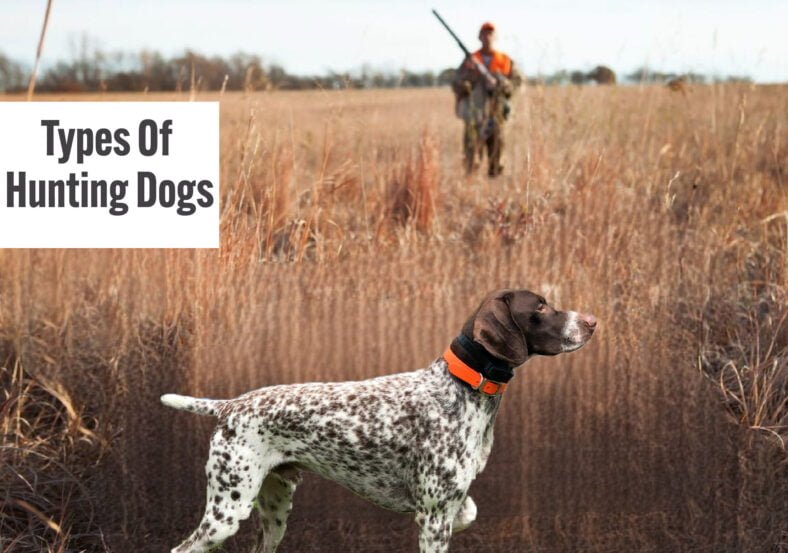
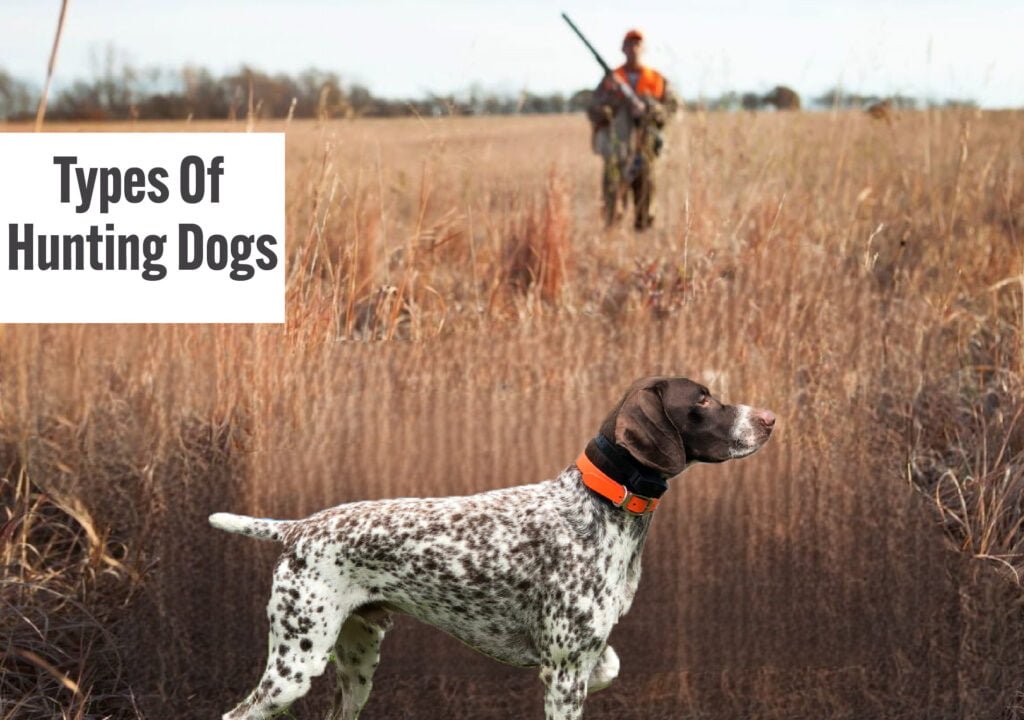
Types of Hunting Dogs: An In-Depth Look into the Breeds and their Hunting Prowess

Table of contents

Introduction

Hunting dogs have long been the perfect partners in hunting, assisting humans by tracking and retrieving game. With an excellent sense of smell, sight, and hearing, these dogs bring a level of expertise to hunting that’s unmatched. Each breed has specific traits that make them ideal for different hunting situations. This article aims to give you a detailed understanding of each breed’s strengths and abilities, which can assist you in selecting the ideal hunting dog for your expeditions.

Gun Dogs

Gun dogs, also known as bird dogs, are bred to locate and retrieve game, mainly birds. They are well-known for their soft mouths and ability to find and return game undamaged. Usually, hunters divide gun dogs into retrievers, pointers, setters, and spaniels, with each breed bringing unique skills to the field.

Retrievers

Retrievers, such as the Labrador Retriever and Golden Retriever, have a renowned keen sense of smell and a soft mouth. Breeders developed them to retrieve game, particularly waterfowl, and they excel as swimmers. These dogs have an innate love for water and are undeterred by harsh weather conditions. They’re also versatile, able to retrieve game on land and in water, making them a favored breed among bird hunters.

Pointers

Pointer breeds, such as the English Pointer and German Shorthaired Pointer, have an instinctive point behavior. They search for game using their keen sense of smell, and upon finding it, they will stand still and direct their muzzle towards the game, signalling the hunter. These dogs are known for their agility and endurance, able to cover large areas of ground quickly.

Setters

Breeds like the English Setter and Irish Setter are known for their unique ‘setting’ behavior. Upon locating game, they will crouch down or ‘set’, allowing hunters to cast their nets or approach with caution. Setters excel at finding and pointing at upland birds, and hunters value them for their elegance and style in the field.

Spaniels

Spaniels, including the English Springer Spaniel and American Cocker Spaniel, are skilled at flushing game from its hiding spot. Once the game is in flight, the hunter can take their shot, and the Spaniel will retrieve the downed game. Their compact size allows them to navigate thick bushes and undergrowth with ease.

Hounds

Hounds, divided into sighthounds and scent hounds, exhibit endurance, speed, and keen senses. They are generally used to hunt larger game and can pursue over great distances.

Sighthounds

Sighthounds, or gazehounds, such as the Greyhound and Saluki, are characterized by their exceptional sight and speed. They are primarily visual hunters, specializing in pursuing game in open areas at high speeds. These dogs have a lean, agile build that allows them to swiftly chase and capture their prey.

Scent Hounds

Scent hounds, including the Bloodhound and Beagle, possess an extraordinary sense of smell, among the best in the canine world. These dogs can follow a trail over great distances, even when the scent is old. They’re known for their booming barks, using them to signal the hunter when the game is found or to keep it cornered.

Terriers

Hunters traditionally use terriers, like the Jack Russell Terrier and Border Terrier, for hunting vermin and small game. These dogs are small, agile, and known for their tenacity and determination. Breeders develop them to hunt above and below ground, chasing after game into their dens.

Versatile Hunting Dogs

Breeds like the Weimaraner and Vizsla are renowned for their versatility in hunting. These dogs can track, point, and retrieve on land and in water, making them a valuable addition to any hunting party.

Choosing the Right Hunting Dog

The type of hunting you plan to do, your lifestyle, and personal preferences play a vital role in choosing the right hunting dog. For example, if you’re into bird hunting near water bodies, a retriever would be a better choice than a terrier. Conversely, if you’re hunting small game in rough terrains, a terrier’s tenacity and agility would be beneficial.

Training Your Hunting Dog

Training a hunting dog requires patience, consistency, and a deep understanding of the dog’s natural instincts and abilities. Obedience training should be the foundation, and gradually, you can introduce the dog to the environment and the specific tasks they will be doing during the hunt. You need to train various kind of training for each types of hunting dogs.

Understanding Hunting Breeds and Game

Each type of hunting dog brings something unique to the field. Spaniels, with their ability to flush out game, are excellent for hunts involving birds in dense cover. Pointers and setters, with their ability to locate and point at game, are ideal for upland bird hunting. Hounds, with their exceptional sense of smell or sight, are great for larger game.

Caring for Your Hunting Dog

A hunting dog requires regular exercise and mental stimulation. You should ensure their diet is balanced and suited to their activity level. Regular health checks are also essential to ensure they are in top form for the hunting season. Each type of hunting dog needs to be cared in different ways.

Frequently Asked Questions:

1. How do I start training my hunting dog?

Start with obedience training. Your dog needs to understand basic commands before introducing field commands. Gradually introduce your dog to the environment and game they’ll be hunting. Consistency is key in training a hunting dog.

2. Can hunting dogs be good pets?

Absolutely. Many hunting dogs make excellent pets. They are usually very loyal, trainable, and get along well with people. However, keep in mind that hunting breeds are often high-energy dogs that require regular exercise.

3. What is the easiest hunting dog to train?

Labradors and Golden Retrievers are often considered among the easiest breeds to train among retrievers. They are very intelligent, eager to please, and highly trainable.

4. Do hunting dogs need a special diet?

Hunting dogs often require a high-protein diet to sustain their energy levels. Always consult with a vet to make sure you are providing a balanced diet for your specific breed and hunting style.

5. Can all dog breeds be trained to hunt?

While all dogs have an innate predatory instinct, not all breeds are suitable for hunting. Some dogs may lack the physical capabilities or the temperament necessary for hunting.

Conclusion

In conclusion, the world of hunting dogs is as diverse as the game they help hunt. By understanding these breeds and their unique abilities, you can find a hunting dog that fits your specific hunting style and needs.

The Thrilling World of Upland Bird Hunting: A Comprehensive Guide

Introduction

Upland bird hunting is more than a sport – it’s a deep immersion into nature, a challenging test of skill, and a grand tradition passed down through generations. This guide offers an in-depth look at upland bird hunting, covering the basics for beginners and providing a comprehensive refresher for seasoned hunters. Let’s embark on a detailed journey into the captivating world of upland bird hunting.

Understanding Upland Bird Species

Upland bird hunting is a broad term, encompassing a multitude of game birds. Each species has its unique characteristics, habitats, behaviors, and flight patterns, which will demand different hunting strategies. Whether you’re tracking the fast-fluttering quail, the elusive grouse, the agile pheasant, or another upland bird, you’ll need to adjust your approach for each bird.

The Importance of Bird Identification

A critical part of hunting is identifying the species. This involves recognizing physical characteristics, understanding their distinct calls and sounds, observing their behaviors, and noting their preferred habitats. Familiarizing yourself with local bird species and spending time in their natural habitat will significantly enhance your identification skills.

Choosing the Right Firearm and Ammo

The most common firearm for upland bird hunting is the shotgun due to its wide spread and relatively non-lethal distance. However, your choice between a side-by-side, over-under, pump-action, or semi-automatic shotgun will be influenced by personal preference, the type of birds you’re targeting, and the terrain. Additionally, matching your shotgun gauge and shot size to the bird species is essential for ethical hunting.

Decoding Shotguns and Ammunitions

The world of shotguns and ammunitions is vast and nuanced. Understanding the different gauges, knowing the advantages of each shotgun type, and determining the right shot size for different birds can be a game-changer. Take the time to learn about these elements and experiment to find what works best for you.

Bird Dogs: A Hunter’s Best Friend

A well-trained bird dog is an invaluable asset in upland bird hunting. These dogs are skilled in locating, flushing, and retrieving birds, enhancing your hunting experience. However, different breeds excel in different tasks – pointers and setters for locating birds, retrievers for bringing the catch back, and flushers for driving birds into the open. The choice of breed should align with your hunting style and the bird species you’re targeting.

Training Your Hunting Dog

Training your dog for the field is a rewarding but demanding task. It involves teaching basic obedience, desensitizing them to gunshots, introducing them to the scent and sight of birds, and honing their natural instincts. Professional trainers can guide you through this process, but a significant part of the training will also involve field experiences and forming a strong bond with your dog.

Scouting and Identifying Habitats

The key to successful upland bird hunting is understanding the preferred habitats of your target species. This involves studying about their natural habitats and spending time scouting the area for signs of bird activity such as feathers, droppings, tracks, and distinctive calls. Knowing where to find your game can save you a lot of time and increase your chances of a successful hunt.

Mastering the Art of Stealth

Upland birds are wary creatures. Your ability to move silently, blend into the environment, and spot birds before they spot you can greatly affect your hunting success. Practicing stealthy movement, wearing camouflaged clothing, and mastering the art of patience are all part of becoming a skilled hunter.

Perfecting Your Shooting Skills

Shooting at upland birds is a formidable challenge. Their swift, unpredictable flight patterns require quick reactions and accurate aim. Regular practice at a shooting range or using clay pigeons can help sharpen your skills. Remember, practice makes perfect, and every seasoned hunter has missed more shots than they can count.

Hunting Strategies: Walk-Up vs. Stand Hunting

There are several methods to hunt upland birds, but the two most common are walk-up (or spot and stalk) hunting and stand hunting. Walk-up hunting involves moving through the habitat to flush birds into flight, while stand hunting involves waiting at a strategic location for birds to come to you. Your choice of strategy depends on factors like the bird species, terrain, weather conditions, and whether you’re hunting with a dog.

Clothing and Gear Essentials

The right clothing and gear can make a significant difference in your hunting experience. It’s crucial to wear durable, weather-appropriate clothing and invest in a good pair of hunting boots. You’ll need a hunting vest with enough pocket space for shells and game, a water bottle for hydration, a first aid kit for safety, and a game bag for your harvested birds.

Ethical hunting is a responsibility every hunter should take seriously. This includes respecting bag limits, refraining from shooting non-game birds or females with broods, and hunting only on legal land or with the landowner’s permission. Familiarize yourself with the local hunting laws and regulations, and always maintain respect for nature and wildlife.

Cleaning and Cooking Your Birds

The hunt isn’t over when the bird is down. Properly cleaning and cooking your birds is an essential part of the process. It’s important to know how to field dress your game, pluck or skin it, and prepare it for cooking. Not only does this respect the animal, but it also allows you to enjoy the fruits of your labor.

Conclusion

Upland bird hunting is a beautiful sport steeped in tradition. It allows you to connect deeply with nature, hone your skills, and partake in a timeless human activity. As you gain experience, you’ll find that the real joy of hunting often lies not in the catch, but in the process itself.

FAQs

1. What is the best time of day to hunt upland birds?

Morning and late afternoon are generally the most productive times for upland bird hunting. However, this can vary based on the specific species and weather conditions.

2. Do I need a dog to hunt upland birds?

While having a bird dog can enhance your hunting experience, it’s not a requirement. Many hunters successfully hunt upland birds without a dog.

3. How do I train a bird dog?

Training a bird dog involves teaching it basic obedience, introducing it to birds and guns, and honing its natural hunting instincts. Professional trainers or training guides can be helpful resources.

4. What is a good starter shotgun for upland bird hunting?

A 20-gauge shotgun is often recommended for beginners due to its manageable recoil and sufficient power for most upland bird species.

5. What should I wear for upland bird hunting?

Durable, weather-appropriate clothing that provides good camouflage and protection against brush and thorns is ideal. A good pair of hunting boots and a hunting vest with ample pocket space are also essential.

Bird Hunting Dogs: An In-depth Guide for the Avid Hunter

Table of contents

Introduction: The Integral Role of Dogs in Bird Hunting

Throughout history, humans have hunted birds for food and sport. Hunting dogs, with their acute sense of smell and unparalleled stamina, have always played a pivotal role in this practice. However, not all dogs are created equal when it comes to bird hunting. This guide will shed light on the best bird hunting dogs, training tips, and how to care for them during and after hunts.

The Timeless Tradition of Bird Hunting With Dogs

Bird hunting is an age-old tradition, tracing its roots back to when humans first began to domesticate dogs. Over the centuries, certain breeds have been specially developed to assist hunters in pursuing game birds, both for sport and sustenance. The use of dogs not only improves hunting efficiency but also adds a dimension of companionship that makes the experience even more rewarding.

Understanding Dog Breeds and Their Hunting Specializations

There’s a diverse range of dog breeds, each boasting distinct traits honed for specific hunting roles. Recognizing these can significantly improve your bird hunting experience.

  • Pointers and Setters: Breeds like the English Setter, Gordon Setter, and German Shorthaired Pointer excel at locating and pointing towards game birds. Their distinctive stance alerts the hunter to the prey’s position.
  • Retrievers: Renowned for their outstanding ability to find and retrieve game, breeds such as the Labrador Retriever and Chesapeake Bay Retriever are popular choices, especially for waterfowl hunting.
  • Flushing Spaniels: Breeds like the Springer Spaniel and Cocker Spaniel are experts at disturbing or ‘flushing’ birds out of their cover, making it easier for the hunter to take a shot.

Picking the Right Hunting Dog: Factors to Consider

It’s crucial to take into consideration several factors when selecting a bird hunting dog. Your hunting style, the bird species you’re after, your living conditions, and even the dog’s temperament should influence your choice. This step requires careful thought and research to ensure a perfect match.

Training Your Dog for the Hunt: Step-by-step Guide

Training a bird hunting dog is an incremental process that begins with basic obedience and gradually incorporates specialized hunting skills. The process involves introducing your dog to the hunting environment, acclimatizing them to the scent of game birds, and teaching them to follow crucial commands. The use of bird feathers, dummies, and eventually, actual game, can help create a well-rounded hunting companion.

Health Care and Nutrition: Fueling Your Hunting Dog

Hunting dogs require specific care in terms of diet and exercise. High-quality food rich in protein and a consistent exercise regimen are vital for keeping them in peak hunting condition. Regular veterinary check-ups, up-to-date vaccinations, and immediate attention to potential injuries are also critical for maintaining their health.

Essential Hunting Gear for Your Dog

Investing in good-quality hunting gear is as important for your dog as it is for you. The list includes sturdy, comfortable harnesses, high-visibility vests for safety, protective boots, and a reliable lead.

Pre-hunt Preparations: The Checklist

A successful hunting expedition starts with thorough preparation. Check your gear, ensure your dog is well-rested and has had a light meal, and plan your day considering the weather and terrain.

In the Field: The Hunt

While on the hunt, keep an eye on your dog, as their behavior could alert you to the presence of game. Regular breaks and hydration are important to keep your dog’s energy levels high.

Post-hunt Care: Recovery and Reward

After a day out in the field, it’s essential to thoroughly check your dog for any injuries or ticks. A rewarding meal and a good night’s sleep are well-deserved treats for your hard-working companion.

The Bond between Hunter and Dog: Beyond the Hunt

Remember, the relationship between a hunter and their dog extends beyond the field. Proper care, love, and respect are necessary to nurture this bond, resulting in a loyal and efficient hunting partner.

Frequently Asked Questions:

1. Which is the best bird hunting dog breed?

The ‘best’ breed varies depending on your hunting style, the bird species you target, and your personal preference. Labrador Retrievers are excellent for waterfowl, while English Setters are great for upland bird hunting.

2. What’s involved in training a bird hunting dog?

Training involves several stages, starting from basic obedience, acclimatization to the hunting environment and game, retrieval exercises, and following commands. Consistency, patience, and positive reinforcement are key.

3. How should I care for my dog after hunting?

Inspect your dog for any injuries, especially their paws. Hydrate them and provide a high-protein meal to help replenish their energy. A good rest is also essential for recovery.

4. What diet is best for my bird hunting dog?

A balanced diet rich in protein is ideal for hunting dogs, as they burn a lot of energy in the field. Consult with a vet for the best dietary plan.

5. How can I ensure my dog’s safety while hunting?

Invest in safety gear like high-visibility vests and protective boots. Avoid hunting in extreme weather, and ensure your dog is well-hydrated throughout the day.

Conclusion

Having a bird hunting dog by your side elevates the entire hunting experience. The process of choosing the right breed, training them, and nurturing a strong bond can seem daunting, but the rewards are incomparable. It’s not just about bagging more birds; it’s about sharing a mutual passion with a trusted, four-legged friend.

Hunting Deer with a Bow: A Comprehensive Guide

Table of contents

Introduction

There is a primal and enriching sense of connection to the wilderness that comes with bow hunting, arguably unparalleled by other hunting methods. Deer hunting is especially popular among bowhunters, given the animal’s challenging nature and wide distribution. This guide provides an in-depth overview of hunting deer with a bow.

Choosing Your Bow

Selecting the right bow is a highly personalized decision that should take into account your strength, draw length, and comfort. The three main types of bows are compound bows, recurve bows, and longbows, each with unique characteristics.

Compound bows use a system of pulleys or cams to ease the draw weight when the bow is fully drawn, allowing for a steady aim. Recurve bows, on the other hand, lack these mechanical aids but are simpler and quicker to operate. Longbows, the traditional English weapon, provide a basic yet challenging option.

Arrows and Broadheads

The arrows should match your bow in terms of draw weight and draw length. Aluminum and carbon are popular choices for arrow material, with carbon being lighter and faster, but aluminum being sturdier.

Broadheads, the tips attached to the arrows, must be razor-sharp for a clean, quick kill. They come in three main types: fixed-blade, removable-blade, and mechanical or expandable broadheads. The choice between these should take into account your bow’s draw weight and your shooting distance.

Understanding Deer Biology and Behavior

Having a deep understanding of the deer’s biology and behavior significantly boosts your hunting success. Familiarize yourself with the feeding and bedding habits of deer, their preferred habitats, and the signs they leave behind.

A deer’s diet changes with the seasons, influencing its movement. Bedding areas, where deer rest and ruminate, can also provide clues about their schedule. Rubs and scrapes on trees, as well as droppings and tracks, can all signal a deer’s presence and movement patterns.

Scouting and Using Trail Cameras

Scouting your hunting area before the season begins is crucial for identifying deer routes, feeding areas, and bedding areas. It allows you to plan your hunting spot strategically and can significantly improve your success rate.

Trail cameras can be an incredibly useful tool for scouting, letting you monitor deer activity without continuously being present and possibly disturbing the area. Place them near potential feeding sites, trails, or watering holes to get a good idea of the deer’s habits.

Developing Archery Skills

The key to successful bow hunting lies in accurate shooting. Unlike hunting with a firearm, bow hunting requires getting within close range of the deer, typically less than 30 yards. This necessitates precise shooting skills.

Make sure to practice regularly and from different positions and angles. Familiarize yourself with your bow’s range and how to adjust your aim for different distances. The aim should be towards the heart or lungs, the vital organs for a quick, ethical kill.

The Art of Stalking and Concealment

A deer’s senses are highly acute. Therefore, the ability to stalk your target and stay concealed is crucial. This involves camouflaging your appearance and scent and minimizing any noise.

Camouflage clothing that matches the local terrain and vegetation can help you blend in. Masking your scent with scent eliminators or natural materials can prevent deer from detecting your presence. Lastly, move slowly and quietly, taking care to avoid stepping on dry leaves or breaking twigs.

Selecting and Setting up Your Stand

Using a tree stand or a ground blind can greatly enhance your concealment. Place it along a known deer path, preferably downwind to avoid your scent being carried towards the deer.

Whether you’re choosing a tree stand or a ground blind, it should offer a clear line of sight, easy shooting lanes, and be comfortable enough for extended periods of waiting.

The Hunt and Shot Placement

Patience and quietness are virtues in bow hunting. It may take hours of waiting before a deer comes into range. Staying still and silent during this time is crucial.

When a deer is finally in range, draw your bow smoothly and aim carefully. Make sure you’re confident in the shot before releasing the arrow, aiming for the heart or lungs for an ethical kill.

Tracking and Field Dressing

After the shot, it’s important not to rush after the deer immediately. Give it some time to bleed out and expire, then follow the blood trail to locate it.

Knowing how to field dress the deer is essential for preserving the meat. This involves removing the internal organs on site. Remember to bring a sharp hunting knife and wear gloves for this task.

Conclusion

Mastering deer hunting with a bow is a rewarding pursuit that combines skill, patience, and a profound respect for nature. It requires meticulous preparation and practice but offers an unrivaled sense of accomplishment and connection with the wilderness.

FAQs

1. Is there a specific time of year best for bow hunting deer?

Deer hunting seasons vary by location and species, but many bowhunters prefer hunting during the rut, or deer breeding season. During this time, deer are more active and males are less cautious, often leading to more opportunities for a successful hunt.

2. What is the best type of broadhead for bow hunting deer?

The choice of broadhead depends largely on personal preference and the specifics of the hunt. Fixed-blade broadheads offer reliability and simplicity, while mechanical broadheads provide larger wound channels, increasing the chances of a quick kill.

3. Can I practice archery in my backyard?

Laws regarding backyard archery vary, so it’s best to check local regulations. If it’s legal and you have a safe backdrop and enough space, practicing in your backyard can be a convenient way to improve your skills.

4. How can I ensure a humane kill when hunting deer?

Achieving a humane kill involves accurate shot placement aiming for the deer’s vital organs (heart or lungs), as well as using sharp, high-quality broadheads. It’s also important to only take shots you are confident in to avoid unnecessary suffering.

The Hardest Animals to Hunt: A Comprehensive Guide

Table of contents

Introduction

Hunting requires patience, skill, knowledge, and a deep respect for nature. Certain animals, with their unique adaptations, can present a formidable challenge to even the most seasoned hunters. This article will introduce you to some of the hardest animals to hunt, providing insights into what makes them difficult targets.

The African Elephant: The Giant of the Jungle

The African Elephant is the largest land animal and hunting it is a significant undertaking. The difficulty lies not only in their immense size but also in their heightened senses and strong social structures. Additionally, ethical considerations and strict legal restrictions make elephant hunting a contentious issue.

The Cape Buffalo: The Dangerous Game

The Cape Buffalo, also known as the African Buffalo, is considered one of the most dangerous animals to hunt. These large and unpredictable creatures are responsible for numerous fatalities each year. They’re aggressive, especially when wounded or if their young are threatened.

The Mountain Goat: The Cliffhanger

Living high up in the rugged, snowy cliffs, Mountain Goats are incredibly challenging to hunt. The terrain is treacherous, often testing a hunter’s physical fitness and willpower to the limits. Besides, their excellent camouflage and nimble movements make spotting and stalking them a challenge.

The Snow Leopard: The Ghost of the Mountains

Snow Leopards are elusive creatures that dwell in high altitudes in Central Asia. Their superior camouflage, coupled with their solitary and primarily nocturnal habits, makes them an almost impossible target. Furthermore, hunting Snow Leopards is strictly prohibited due to their endangered status.

The Brown Bear: The Mighty Beast

Hunting a Brown Bear is a feat few can claim. These massive animals, weighing up to 1300 pounds, are renowned for their strength and speed. A wounded bear is also highly dangerous and can attack with lethal force.

The Blue Whale: The Titan of the Sea

Although hunting Blue Whales is now illegal and ethically unacceptable, they were once the hardest animals to hunt. Their colossal size, coupled with their habitat in the open ocean, made them an extremely challenging and dangerous quarry.

The Pronghorn Antelope: The Speedster

Pronghorns are the second-fastest land animals and can sustain high speeds for long distances, making them difficult targets. Their exceptional vision, equivalent to 8x binoculars, also enables them to spot predators from afar.

The White-Tailed Deer: The Skittish Prey

Despite being one of the most popular game animals, White-Tailed Deer are surprisingly challenging to hunt. They’re highly alert and have an excellent sense of smell, often detecting hunters before they can get a shot.

The Wild Boar: The Ferocious Foe

Wild Boars are aggressive, intelligent, and resilient, making them challenging prey. These creatures have an exceptional sense of smell and are known to charge at hunters when threatened, causing injuries with their sharp tusks.

The Grey Wolf: The Elusive Predator

Hunting the apex predator of the wilderness, the Grey Wolf, is no small task. These elusive creatures are incredibly intelligent, have acute senses, and are always on the move. Tracking a pack requires extensive knowledge of their behavior and excellent tracking skills.

Conclusion

From the speedy Pronghorn to the mighty Brown Bear, these creatures represent some of the toughest challenges in the hunting world. They demand respect, patience, and a high level of skill from the hunter. Ultimately, it’s the thrill of the chase and the profound connection with nature that makes hunting these difficult animals a rewarding experience.

FAQs

1. What makes an animal hard to hunt?

An animal’s difficulty to hunt depends on various factors, including its senses, speed, behavior, habitat, and the laws protecting it.

2. Which animal is the most dangerous to hunt?

While several animals pose danger to hunters, the Cape Buffalo, also known as the Black Death, is considered the most dangerous due to its unpredictability and aggressive behavior.

3. Why is hunting important?

Hunting plays an essential role in wildlife management. It helps control populations of certain animal species, contributes to conservation efforts, and supports local economies.

4. Is hunting endangered animals legal?

Hunting endangered animals is illegal and heavily punishable by international laws. It’s essential to check local regulations before planning any hunting trip.

5. Can hunting be considered ethical?

Hunting ethics involve fair chase principles, respect for animals, and adherence to local laws and regulations. Ethical hunters contribute to conservation efforts and ensure minimal suffering for the animals.

How To Hunt Fox: Understanding the Intricacies of This Age-Old Practice

Introduction

Welcome, dear reader, to a comprehensive exploration of fox hunting. Our goal here isn’t just to instruct you on how to hunt foxes. Instead, we hope to transform you into a discerning sportsman who values the beauty of the hunt and the balance of nature as much as the thrill of the chase.

Understanding the Fox

Before you can hunt foxes successfully, you need to understand them.

Fox Species and Habitats

Foxes are found all over the world, but the Red Fox and the Grey Fox are the most commonly hunted species in North America. Each has a different habitat preference, with Red Foxes favoring mixed vegetation landscapes and Grey Foxes opting for wooded areas.

Fox Behavior 101

Foxes are mostly nocturnal but are known to be active during the dawn and dusk. They have an acute sense of hearing, which they use to hunt prey and avoid danger.

Identifying the Right Hunting Ground

Finding a suitable hunting area is often the first step towards a successful fox hunt. Ideal locations include regions with a balance of open land and wooded areas. Foxes are adaptable creatures and can survive in various habitats, including forests, deserts, mountains, and even suburban areas. However, they generally favor environments that offer enough food sources, water, and shelter.

Understanding the Terrain

The geography of your hunting ground can significantly impact your strategy. For example, elevated positions offer better visibility and make it easier to spot foxes from afar. Conversely, valleys and depressions can serve as excellent hideouts for foxes, necessitating more cautious exploration.

Studying the Vegetation

The local flora can reveal a lot about the potential presence of foxes. Look for signs such as fox trails or dens in thick bushes or forested areas. Berries and other fruiting plants can also attract foxes as they include these in their diet alongside small animals.

Deciphering Fox Behavior and Senses

Comprehending a fox’s senses is like acquiring a secret blueprint to their behaviors. Let’s take a closer look at each of these senses and how they influence a fox’s actions.

Sense of Hearing

Foxes have excellent hearing, which they use to detect prey even under thick vegetation or snow. Keep this in mind when trying to remain undetected.

Sense of Sight

Foxes are not as reliant on their vision as their hearing, but they are still capable of spotting movements from a considerable distance. So, remain as still as possible when you spot a fox.

Sense of Smell

Foxes have a keen sense of smell, which they use for finding food and avoiding danger. Using scent control products can help mask your smell, making it easier to approach foxes.

Preparing for the Hunt

Preparation is vital for a successful hunt.

Essential Gear

Your gear can make or break your hunting experience. A reliable firearm, effective hunting calls, camouflage clothing, and scent control products are a must.

Hunting Licenses and Regulations

Responsible hunting involves complying with all the necessary laws and regulations. Obtain the appropriate licenses and familiarize yourself with the hunting regulations in your area.

Choosing the Right Weapon

The type of weapon used can significantly influence your hunting style.

Rifles

A rifle can provide a long-range advantage but requires a high degree of accuracy.

Shotguns

Shotguns are more forgiving than rifles when it comes to accuracy, especially at close range. However, their effective range is generally shorter.

Bows

Bow hunting is arguably the most challenging method but can also be the most rewarding. It requires a high degree of skill, stealth, and patience.

Techniques and Tactics

There are several techniques to fox hunting, each with its own advantages and challenges.

Spot and Stalk Hunting

This technique involves identifying a fox from a distance and then stalking it for a close shot. It requires great patience and stealth.

Calling

Mimicking the sounds of a fox’s prey can lure it into your range. Mouth-blown calls and electronic call devices can be used effectively for this method.

Hunting with Dogs

Using trained dogs for tracking and cornering foxes is a time-tested hunting method. However, it requires a deep understanding of working with dogs.

Safety Precautions

Safety should never be compromised during a hunt.

Firearm Safety

Treat every firearm as if it’s loaded, and be aware of where it’s pointed at all times. Also, always ensure that the field beyond your target is clear.

Navigating the Countryside

Fox hunting often involves navigating through rugged terrains. A reliable map and compass, and the knowledge to use them, are indispensable.

After the Hunt

The end of a hunt brings new tasks.

Field Dressing

Quick and efficient field dressing ensures the quality of the fox meat and pelt. It’s crucial to understand how to do it properly.

Fox Pelt Preparation

Fox pelts are valued trophies of a successful hunt. Correct handling and preparation of the pelt are important to preserve its quality.

Ethical Considerations

Ethical hunting respects the balance of nature and the sport’s rich traditions.

Sustainable Hunting Practices

Hunting seasons and bag limits are there for a reason. Adhering to them helps maintain a healthy and sustainable fox population.

Respect for Wildlife

Always treat wildlife with respect. We are visitors in their world.

Conclusion

Fox hunting is more than just a sport. It’s a tradition that connects us to our ancestors, tests our skills, and teaches us to respect nature. Remember, a successful hunt doesn’t necessarily mean you’ve made a kill. Sometimes, it’s the lessons learned, the serenity experienced, and the respect earned from nature that count.

Frequently Asked Questions (FAQs)

  1. When is the best time to hunt foxes? Foxes are most active during the twilight hours – early morning and late evening.
  2. What is the most effective method for hunting foxes? There isn’t one definitive answer to this. It depends on a variety of factors, including your hunting style, local laws, and specific circumstances.
  3. Can you eat fox meat? Yes, you can. However, it has a strong flavor and should be cooked thoroughly to avoid potential parasites.
  4. What dangers are associated with fox hunting? The most common risks are accidental injury from firearms and navigational hazards in the wilderness.
  5. Does fox hunting contribute to conservation? Yes. It helps maintain a balanced fox population, and the fees from hunting licenses often support conservation efforts.

Hunting is a practice that has shaped our history and continues to teach us invaluable lessons. As you venture into fox hunting, remember to respect the sport and the wilderness. Enjoy the chase!

Exit mobile version