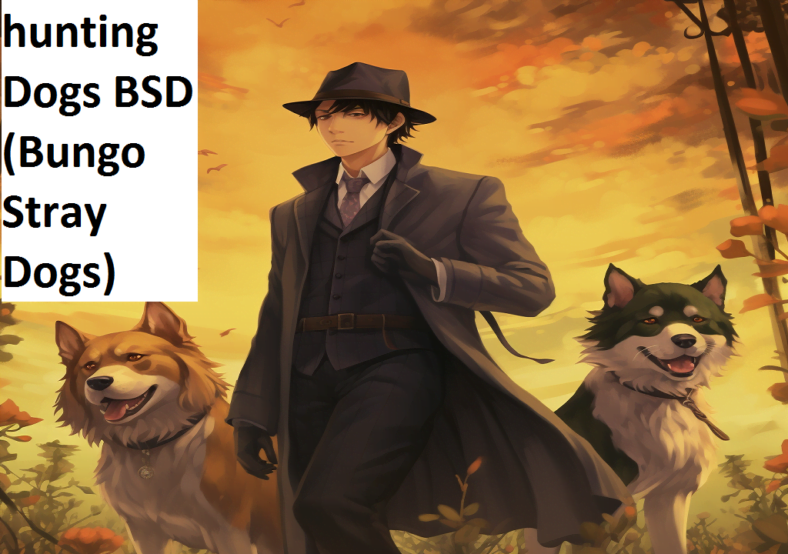
Hunting dogs BSD: Unleashing the Hunt with Literary Canines

Table of contents

Introduction: A Literary Symphony of Canine Abilities

Imagine a world where characters from classic literature come to life as supernatural beings with incredible powers. Enter the universe of “Bungo Stray Dogs” (BSD), a Japanese anime and manga series that blends the essence of famous literary figures with the intrigue of a detective agency. Embark with us on a journey into the realm of BSD. Firstly, you’ll discover a place where the concept of hunting dogs assumes an entirely different significance. Furthermore, you’ll witness the merging of literary prowess with supernatural capabilities.

A Literary Reimagining

Hunting Dogs BSD (Bungo Stray Dogs) : Where Literature Meets Mystery

Dive in, first and foremost, to a domain where literary giants aren’t mere characters in books but are living, breathing entities with unparalleled skills. Additionally, in the BSD world, characters derive their names from renowned authors and their masterpieces, and they exhibit powers reminiscent of their literary legacies. Consequently, this exceptional fusion of literature and fantasy lays the groundwork for a complex storyline.

Power of the Dogs

The Agency’s Canine Operatives: Literary Abilities Unleashed

First, envision characters harnessing abilities as profound as the words penned by their creators; this is the essence of BSD. Furthermore, figures such as Atsushi Nakajima, Osamu Dazai, and Ryuunosuke Akutagawa don’t merely function as agents of a detective agency. Instead, they tap into supernatural powers inspired by their namesakes’ literary contributions. As a result, with skills ranging from controlling gravity to wielding darkness, these ‘hunting dogs’ emerge as a formidable force.

Atsushi Nakajima: A Tiger’s Roar

Unleashing the White Tiger: Atsushi’s Gift

Picture a white tiger prowling through the forest – that’s Atsushi Nakajima, who possesses the ability to transform into a fierce, supernatural tiger. Named after the author of “No Longer Human,” Atsushi’s transformation grants him strength, agility, and an undeniable presence that mirrors the essence of his namesake’s work.

Osamu Dazai: Beneath the Moonlight

No Longer Human: Dazai’s Enigmatic Power

Firstly, picture a realm where shadows bend to your will; this encapsulates the strength of Osamu Dazai, a character endowed with the gift to control darkness. Drawing his name from the illustrious author, Dazai’s talent for commanding shadows not only adds a veil of enigma around him but also, consequently, mirrors the deep themes of introspection found in the literary works of his namesake.

Ryuunosuke Akutagawa: Rashomon’s Wrath

Darkness and Light: Akutagawa’s Dual Nature

Picture a blade slashing through the air – that’s Ryuunosuke Akutagawa, armed with the power to control and manipulate shadows, much like his namesake’s short story “Rashomon.” Akutagawa’s character is a manifestation of duality, with his gift for darkness contrasting his yearning for light and recognition.

Literary Showdowns

Clashes of Prose and Power: BSD’s Engaging Battles

Imagine literary disputes taking the form of intense battles – that’s the heart of BSD. As characters draw from the strengths of their namesakes’ literary creations, battles become nuanced expressions of literary themes and creative prowess. Each confrontation is a symphony of power and ideology, weaving literary references into dynamic action sequences.

Organizations and Ideals

Port Mafia and Armed Detective Agency: Clashing Worldviews

Imagine two ideologies locked in a battle of wits and power – that’s the conflict between the Port Mafia and the Armed Detective Agency in BSD. The opposing organizations, named after the respective literary works of famous authors, represent distinct worldviews that shape the narrative’s intrigue and dynamics.

Humanity and the Supernatural

Exploring Identity: The Struggle Within

Picture characters grappling with their dual nature – that’s the ongoing theme of humanity versus supernatural abilities in BSD. As characters embrace their namesakes’ legacies, they navigate the complexities of their identities. Addressing existential questions and embracing both their literary heritage and their newfound powers.

The Power of Literature

Transforming Words into Action: BSD’s Metaphorical Magic

Imagine literature as a source of magic – that’s the essence of BSD. The characters’ abilities and battles reflect the potency of words, the imagination, and the narratives that shape our world. BSD weaves a unique narrative where literary artistry transcends its traditional form and becomes a driving force of power and creativity.

Literary Legacy

Authors’ Influence: A Tribute to Literary Greatness

Picture a salute to literary brilliance – that’s the homage BSD pays to famous authors. By naming characters after literary giants and integrating their works into the narrative. The series honors the enduring impact of literature and invites audiences to explore the source material that inspired the characters’ names and abilities.

Conclusion: Pages of Power and Intrigue

In the universe of Bungo Stray Dogs, the boundary between literature and fantasy dissolves. Revealing a captivating landscape where characters embody the creative brilliance of their namesakes. Just as literature transports us to new realms, BSD invites us to embrace a world where words transform into supernatural powers, and the hunt for mysteries becomes an intricate tapestry woven from the threads of imagination and literary legacy.

FAQs (Frequently Asked Questions)

Q1: Is “Bungo Stray Dogs” based on actual literary works? A1: While “Bungo Stray Dogs” features characters named after famous authors and their literary creations, the series itself is an original work of fiction. The characters’ abilities and interactions draw inspiration from the themes and concepts found in their namesakes’ works.

Q2: How are the characters’ abilities related to their namesakes? A2: The characters’ abilities in “Bungo Stray Dogs” often mirror themes, concepts, or titles from the authors’ literary works. For example, Osamu Dazai’s ability to control darkness reflects the themes of introspection and shadow present in Dazai’s writing.

Q3: Can someone enjoy “Bungo Stray Dogs” without prior knowledge of the authors and their works? A3: Absolutely! While having familiarity with the authors and their works can enhance the experience by recognizing references, “Bungo Stray Dogs” is designed to be enjoyable even if you’re new to literary history. The series weaves its narrative in a way that both enthusiasts and newcomers can appreciate.

Q4: Are there deeper themes explored in “Bungo Stray Dogs” beyond the supernatural powers? A4: Yes, the series delves into themes of identity, humanity, camaraderie, and the struggle between light and darkness. Characters grapple with the complexity of their dual nature as literary figures and supernatural beings, adding depth and resonance to the narrative.

Q5: Are there other anime or manga that blend literary references and supernatural elements? A5: Yes, there are other series that incorporate literary themes and characters into their narratives. “Bungo Stray Dogs” stands out for its creative integration of famous authors’ works and its exploration of their impact on the characters’ abilities and dynamics.
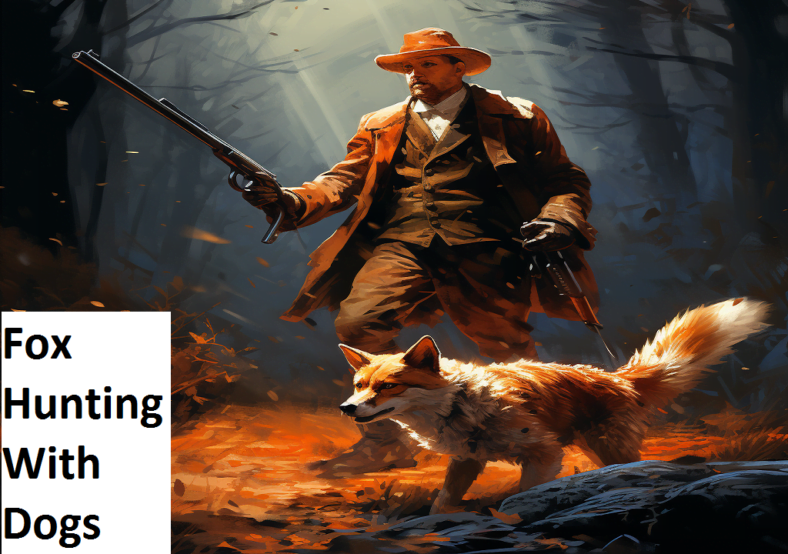
Fox Hunting with Dogs: Unveiling the Art of the Chase

Table of contents

Introduction: The Noble Pursuit of Fox Hunting

Consider a conductor orchestrating a musical performance. Similarly, the Master of Foxhounds plays a pivotal role in directing the hunt. This adept individual not only leads the hounds, but also makes informed decisions to guarantee the chase unfolds safely and methodically. Furthermore, their commands and signals adeptly steer the pack as they pursue the scent trail.

Title: A Time-Honored Tradition

A Glimpse into Fox Hunting: From Tradition to Sport

Fox hunting is more than just a pastime – it’s a cherished tradition that has evolved into a sport. Rooted in the countryside and embraced by communities, it’s a celebration of nature, camaraderie, and the timeless bond between humans and their canine companions.

Title: The Hunt Begins

Setting the Scene: The Fox Hunting Ritual

Imagine a theater before the curtain rises – that’s the anticipation before a fox hunt. The scene is set as riders, hounds, and hunters gather, creating an air of excitement and tradition. Each hunt follows a specific protocol, with riders and hounds preparing to engage in the exhilarating chase.

Title: The Call of the Hounds

The Hounds’ Symphony: A Harmonious Pursuit

Picture an orchestra tuning their instruments – that’s the moment when the hounds gather, eager to follow the scent of the fox. The hounds’ unique voices – their baying – echo through the countryside, signaling the start of the chase and setting the stage for an enthralling spectacle.

Title: The Master’s Command

Guiding the Chase: The Role of the Master

Imagine a conductor guiding a musical performance – that’s the role of the Master of Foxhounds. This skilled individual directs the hounds, making strategic decisions to ensure the chase remains safe and controlled. Their commands and signals guide the pack as they follow the scent trail.

Title: The Chase Unleashed

The Pursuit Begins: Hounds on the Scent

Utilizing the initial burst of energy, much like a racehorse bolting from the starting line, the hounds are set free. Subsequently, they bound forward, passionately following the scent trail of the fox. Equipped with their keen noses and acute instincts, they traverse fields, delve into forests, and cross streams. Consequently, they navigate the varied terrains with unyielding determination and enthusiasm.

Title: The Fox’s Strategy

Elusive Quarry: The Fox’s Cunning

Imagine a chess master plotting their moves – that’s the fox, using its wits to outmaneuver the hounds. The fox employs evasive tactics, doubling back on its trail, crossing water bodies, and using natural obstacles to confuse its pursuers and create an engaging challenge for both hounds and hunters.

Title: The Thrill of the Chase

Adrenaline and Elegance: The Hunt’s Intensity

Picture a dance between hunter and hunted – that’s the heart of the fox hunt. Riders on horseback experience the exhilaration of the chase, navigating the terrain, and witnessing the hounds’ skilled tracking. The chase is a breathtaking display of skill, agility, and the thrill of the chase.

Title: The View Halloo

Spotting the Fox: The Climactic Moment

Imagine a climactic scene in a play – that’s the “view halloo,” the exhilarating moment when the fox is sighted. The hounds’ baying reaches a crescendo, and the riders catch a glimpse of the fox, a fleeting image that signifies the peak of the hunt.

Title: The Hunt’s End

Closure and Celebration: After the Chase

Just as a standing ovation follows a grand performance, the hunt concludes with a sense of fulfillment. The chase might not always end in catching the fox, but the experience of the hunt itself – the connection with nature, the bond with the hounds, and the camaraderie among hunters – is its own reward.

Title: A Partnership in Motion

Hounds and Horses: The Equestrian and Canine Bond

Imagine a dance where two partners complement each other – that’s the dynamic between the hounds and the riders on horseback. The riders guide the hounds, maintain order, and navigate the terrain while the hounds use their senses to lead the way and engage in the chase.

Title: Tradition and Camaraderie

Cultural Connection: Fox Hunting Clubs and Communities

Picture a gathering of kindred spirits sharing a common passion – that’s the essence of fox hunting clubs. These organizations foster a sense of camaraderie, respect for traditions, and stewardship of the environment. Fox hunting events and gatherings create a community that transcends generations.

Title: The Fox’s Role

The Respected Quarry: Honoring the Fox

Imagine a character with a complex narrative – that’s the fox in the context of fox hunting. While the fox is pursued, it’s also revered as an integral part of the tradition. The fox’s agility, intelligence, and role in the chase contribute to the rich tapestry of the hunt.

Title: Modern Perspectives

Adapting to Change: The Evolution of Fox Hunting

Just as generations retell a classic story, fox hunting evolves with changing times. Drag hunts, where hounds follow a pre-laid scent trail, have become popular alternatives to live fox hunting, addressing concerns about animal welfare while preserving the essence of the sport.

Conclusion: A Symphony of Pursuit

In the world of fox hunting with dogs, the hunt itself becomes a symphony of movement, strategy, and partnership. Just as the notes of a musical piece harmonize to create an enchanting melody, riders, hounds, and foxes weave a captivating tale that embodies tradition, skill, and the timeless allure of the chase.


FAQs (Frequently Asked Questions)

Q1: Is fox hunting with dogs still practiced?
A1: Fox hunting with live quarry has faced ethical and legal challenges, leading to its decline in some regions. However, drag hunts, where hounds follow an artificially laid scent trail, have become a popular alternative that preserves the tradition and camaraderie of the hunt.

Q2: What happens to the fox at the end of the chase?
A2: In traditional live fox hunts, the fox is typically not killed. The chase itself is the focus, and the hounds are called off when the fox goes to ground or escapes. In drag hunts, the chase ends without any impact on wildlife.

Q3: What is the role of the riders in fox hunting with dogs?
A3: Riders on horseback play a crucial role in guiding the hounds, maintaining order, and navigating the terrain. They also experience the thrill of the chase, interacting with the hounds and enjoying the connection with nature.

Q4: How are the hounds/dogs trained for fox hunting?
A4: Hounds are trained from a young age to follow scent trails and respond to the commands of the Master of Foxhounds. They undergo conditioning, exposure to various environments, and gradual introduction to live hunts to prepare them for the chase.

Q5: What is the significance of the Master of Foxhounds?
A5: The Master of Foxhounds is responsible for

In Pursuit of Elegance: Fox Hunt Dogs Breed and the Art of the Chase

Table of contents

Introduction: Fox Hunting’s Regal Dance

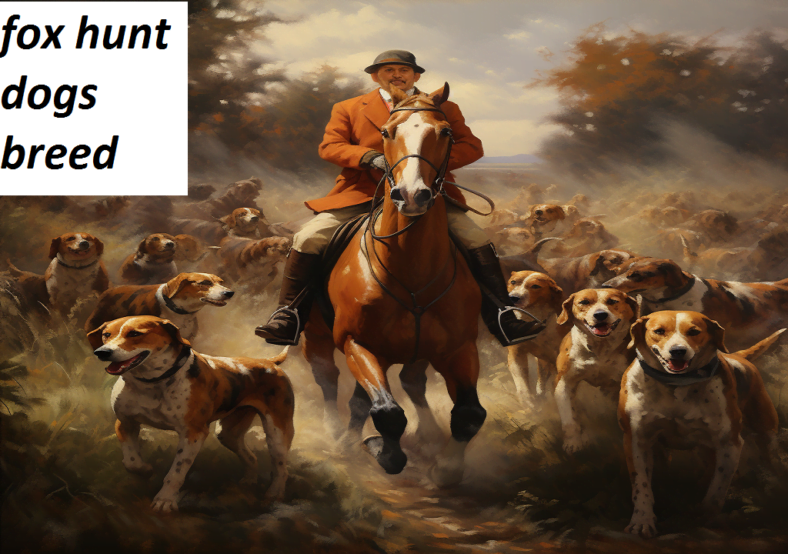
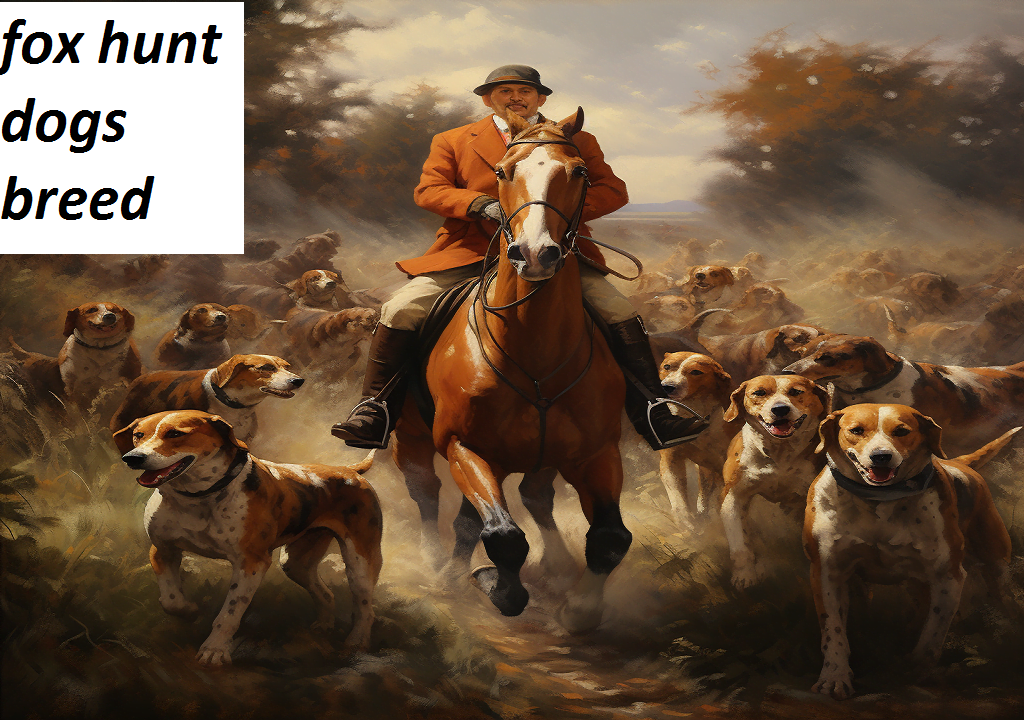
Imagine a symphony of hounds and riders weaving through the countryside – that’s the enchanting world of fox hunting. Among the protagonists of this grand hunt are the fox hunt dogs, meticulously bred and trained for centuries to partake in this aristocratic pursuit. Come along with us on a journey as we delve into the graceful world of fox hunt dogs, where the fusion of tradition and expertise creates a captivating chase.

The Legacy of the Hunt

A Glimpse into Fox Hunting: A Time-Honored Tradition

Rooted deeply in the British countryside’s history, fox hunting epitomizes the convergence of sport, social camaraderie, and a profound respect for nature. The collaboration between riders, hounds, and their canine companions is at the heart of this elegant pursuit.

Hound Enthusiasts

Meet the Fox Hunt Dogs: Hounds with a Purpose

Imagine an orchestra of specialized musicians – that’s the fox hunt pack, composed of different hound breeds with distinct roles. While there are different types of hounds involved in fox hunting, the most common are the English Foxhound and the American Foxhound.

The Elegance of English Foxhounds

The English Foxhound: Royalty’s Favorite

Picture a loyal subject at the queen’s side – that’s the English Foxhound, a breed bred for its exceptional sense of smell, stamina, and graceful appearance. Their strong build, harmonious proportions, and noble demeanor make them iconic figures in the world of fox hunting.

American Foxhounds: Sleek and Swift

Imagine, for a moment, a sprinter racing across expansive meadows. In the same vein, this is the embodiment of the American Foxhound, renowned for its impressive speed, stamina, and sleek form. With its keen sense of smell and agile body, it seamlessly excels in tracing and chasing game. Consequently, these attributes make them indispensable assets to the realm of hunting.

The Melody of the Hunt

The Foxhunt Symphony: Hounds in Concert

Just like a conductor guiding an orchestra, the Master of Foxhounds plays the role of leading the pack. By directing the hounds, the Master orchestrates their movements and harnesses their distinct capabilities to follow the scent trail, pinpoint the fox’s location, and initiate the exhilarating chase.

The Chase Unleashed

In Pursuit of the Fox: An Exhilarating Race

Much like a marathon runner enjoys the adrenaline rush of the competition, fox hunt dogs also thrive on the exhilaration of the chase. Guided by their acute sense of smell, they systematically follow the scent trail left by the fox. Furthermore, they navigate diverse terrains in their unwavering quest for their objective.

The Final Act

The Hunt’s Climax: A Glimpse of the Fox

Imagine the culmination of a grand opera – that’s the moment when the fox is “viewed,” or spotted, by the hounds. The hounds’ excitement and baying signal that the hunt has reached its crescendo, captivating riders and spectators alike.

Equine Partners

Riders and Hounds: A Hunt’s Dynamic Duo

Similar to a dance that relies on harmonious partners, fox hunting establishes a symbiotic connection between riders and hounds. Mounted on horses, the riders take on the role of guides, accompanying and supervising the hounds throughout the chase, ensuring smooth coordination and safety throughout the pursuit.

The Hunt’s Spirit

Fox Hunting’s Essence: Tradition, Skill, and Sport

Imagine a tapestry woven with threads of history, skill, and camaraderie – that’s the essence of fox hunting. While the practice has evolved, it remains a testament to the bond between humans, hounds, and the thrill of the chase.

Beyond the Hunt

Foxhounds as Companions: Life Off the Field

Just as a performer shines in various roles, foxhounds excel as more than just hunting dogs. Their gentle and friendly nature makes them wonderful companions in homes and families. Their adaptability from the hunt to domestic life showcases their versatility.

A Hunt’s Reflection

Preserving the Tradition: Fox Hunting Clubs and Conservation

Imagine a museum curator safeguarding history – that’s the role of fox hunting clubs in preserving the tradition. These clubs not only organize hunts but also uphold ethical hunting practices and support conservation efforts to maintain balanced ecosystems.

The Fox’s Legacy

In Tribute to the Fox: A Hunt’s Emblem

Just as a story lingers through generations, the fox holds a place of honor in the world of fox hunting. The chase may be the heart of the hunt, but the fox’s agility, cleverness, and role as the hunted contribute to the tradition’s enduring charm.

Conclusion: A Noble Pursuit

In the world of fox hunting, the fox hunt dogs epitomize grace, dedication, and the timeless pursuit of a noble quarry. Just as the hounds’ baying echoes through the countryside, their presence continues to resonate across generations. The dance between riders, hounds, and foxes creates an enduring tale of tradition, camaraderie, and the artistry of the chase.

FAQs (Frequently Asked Questions)

Q1: Are English and American Foxhounds the same breed?
A1: English and American Foxhounds are distinct breeds with slight differences in appearance and purpose. English Foxhounds are generally larger and heavier, while American Foxhounds are more streamlined and agile.

Q2: Do fox hunt dogs make good pets?
A2: Fox hunt dogs, particularly English and American Foxhounds, can make good pets if they are provided with ample exercise, mental stimulation, and socialization. Their friendly nature and adaptability to human companionship contribute to their suitability as family members.

Q3: Is fox hunting still practiced today?
A3: Fox hunting is still practiced in some regions, but it has faced controversy due to ethical concerns. Many traditional fox hunts have evolved into drag hunts, where the hounds follow a pre-laid scent trail instead of chasing live foxes.

Q4: How are fox hunt dogs trained for the chase?
A4:
Fox hunt dogs are trained from a young age to follow scent trails and respond to commands from the Master of Foxhounds. They undergo conditioning, exposure to various environments, and gradual introduction to live hunts to prepare them for the chase.

Q5: Are there specific breeds besides Foxhounds used in fox hunting?
A5:
While Foxhounds are the most commonly associated breed with fox hunting, other breeds like Beagles and Harriers are also used in certain hunting scenarios. These breeds exhibit strong scenting abilities and contribute to the dynamics of the hunt.

Into the Wild: Unleashing the Power of Wild Boar Hunting Dogs

Introduction: Taming the Wild with Boar Hunting Dogs

Imagine a primal dance between predator and prey – that’s the world of wild boar hunting dogs. In the dense forests and rugged landscapes, these fearless canines come alive, channeling their ancient instincts to track and confront one of the most formidable game animals. Join us as we venture into the heart of wild boar hunting, where courage, skill, and partnership reign supreme.

The Call of the Wild

A Glimpse into Boar Hunting: Nature’s Unfolding Drama

Boar hunting has deep historical roots, with humans and dogs partnering to navigate the challenges of the hunt. The fierce and unpredictable nature of wild boars demands exceptional hunting companions, and wild boar hunting dogs rise to the occasion.

The Wild Boar’s Realm

In the Lair of the Wild Boar: A Formidable Foe

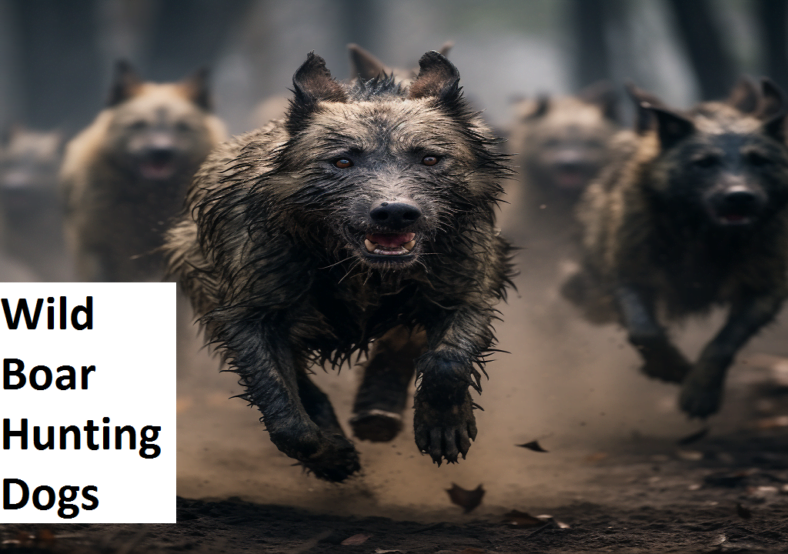
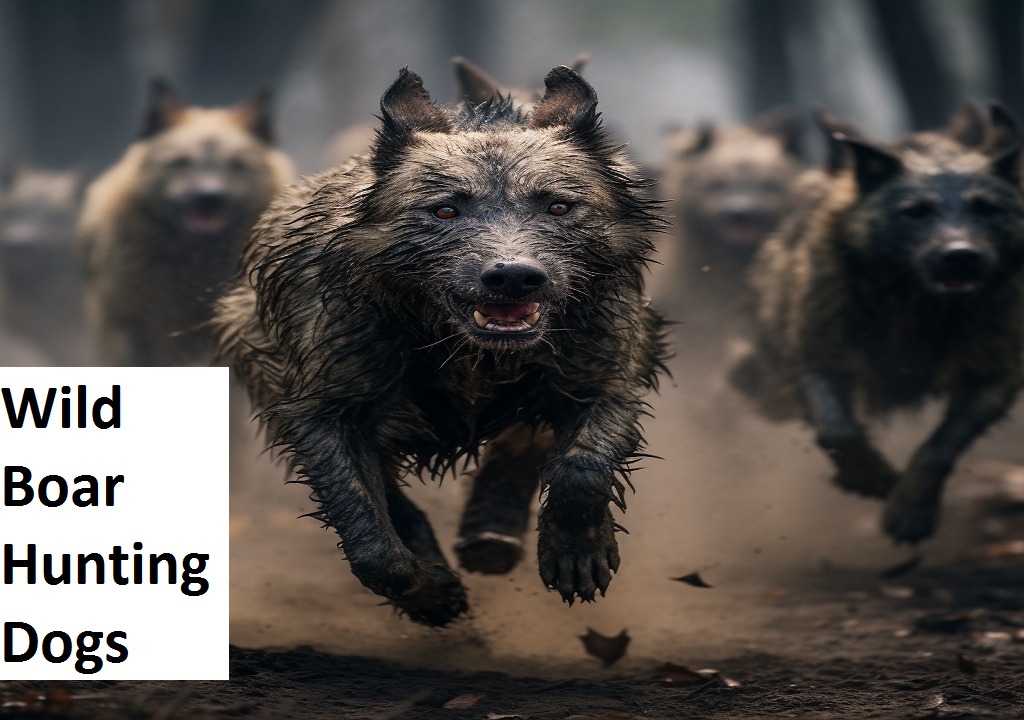
Picture an ancient warrior confronting a fearsome adversary – that’s the wild boar hunting dog facing off against its quarry. Wild boars are powerful, swift, and fiercely protective. Boar hunting dogs tap into their instincts to track, corner, and hold the attention of these formidable creatures.

Tracking and Trailing

The Scent of the Chase: Boar Dogs as Scent Masters

Imagine a detective following a trail of clues – that’s the boar hunting dog following a scent trail left by wild boars. With their remarkable olfactory senses, these canines can detect the scent of boars even over long distances, leading hunters to the heart of the action.

Courage Under Fire

Confronting the Boar: Dogs as Brave Adversaries

Just as a warrior faces danger head-on, boar hunting dogs confront the wild boars with unwavering courage. These dogs are trained to engage the boars, barking and nipping at them to distract and control their movements. This daring act requires both skill and fearlessness.

Teamwork in the Wilderness

The Dance of Cooperation: Hunter and Boar Hunting Dog

Imagine a coordinated ballet troupe working in harmony – that’s the partnership between hunter and boar hunting dog. Through nonverbal cues and mutual understanding, these duos communicate and collaborate to navigate the wild terrain and corner the elusive boar.

Versatility in Action

Beyond the Hunt: Boar Dogs in Different Roles

Just as a versatile actor excels in various roles, boar hunting dogs exhibit versatility beyond hunting. They are cherished companions, guardians of property, and even service dogs. This adaptability showcases their intelligence and dedication to human companionship.

Training for the Wild

Crafting Boar Hunting Skills: Training and Discipline

Training a boar hunting dog is like sculpting a masterpiece. Handlers mold their natural instincts, teaching them commands like tracking, staying close to the hunter, and engaging the boar. Patience, consistency, and positive reinforcement shape their skills.

Safety and Precautions

Navigating the Hunt Safely: Ensuring Canine Protection

Just as a soldier gears up for battle, boar hunting dogs require protection. Wild boars can be dangerous and may retaliate against the dogs. Protective gear, vaccinations, and understanding the dog’s limits are essential to ensure their safety during the hunt.

Camaraderie and Tradition

Boar Hunting Community: Clubs and Rituals

Imagine a close-knit community united by a shared passion – that’s the world of boar hunting enthusiasts. Clubs, events, and rituals bring together those who appreciate the thrill of the hunt and the bond between humans and their faithful canine partners.

Ethical Boar Hunting

Responsible Hunting and Conservation

Just as a guardian protects a sacred artifact, ethical boar hunters prioritize conservation and responsible hunting practices. Adhering to hunting regulations, respecting animal welfare, and supporting conservation efforts ensure the survival of boar populations and their natural habitats.

The Wild’s Echo

The Legend Lives On: The Boar Hunting Dog’s Legacy

Imagine an ancient tale retold through generations – that’s the legacy of boar hunting dogs. Through their courage, skill, and unwavering loyalty, these canines continue to be living legends, embodying the spirit of the hunt and the enduring partnership between humans and their faithful companions.

Conclusion: Roaming the Wilderness with Boar Hunting Dogs

In the untamed wilderness, where adrenaline and primal instincts converge, boar hunting dogs stand as guardians and allies. Just as the rhythm of the forest echoes through time, these dogs’ skills and courage resonate across generations. The partnership between humans and boar hunting dogs serves as a testament to the indomitable spirit of exploration, camaraderie, and the timeless allure of the hunt.

FAQs (Frequently Asked Questions)

Q1: Can any dog be trained for wild boar hunting?
A1:
While many breeds can be trained for boar hunting, specific breeds like the American Pit Bull Terrier, Dogo Argentino, and various breeds of hunting dogs are commonly chosen for their size, strength, and tenacity.

Q2: How dangerous are wild boars for hunting dogs?
A2:
Wild boars can be very dangerous for hunting dogs due to their size, strength, and sharp tusks. Hunters must take precautions to ensure the safety of their dogs, including proper training, protective gear, and understanding the behavior of both the dogs and the boars.

Q3: What other roles do boar hunting dogs play?
A3:
Boar hunting dogs can also serve as loyal family companions, watchdogs, and service dogs. Their versatility and loyalty make them valuable members of households beyond the hunting field.

Q4: Are there regulations for boar hunting?
A4:
Yes, boar hunting is regulated by hunting authorities to ensure sustainable hunting practices and conservation. Hunters must adhere to hunting seasons, bag limits, and other regulations to protect wildlife populations.

Q5: What should a novice hunter consider before engaging in boar hunting with dogs?
A5:
Novice hunters should seek guidance from experienced hunters and trainers before attempting boar hunting with dogs. Understanding the behavior of both the dogs and the boars, as well as proper training and safety measures, is essential for a successful and safe hunt.

Unveiling the Grace and Precision of Pointer Hunting Dogs: A Journey into Their Excellence

Table of contents

Introduction: The Artistry of Pointer Hunting Dogs

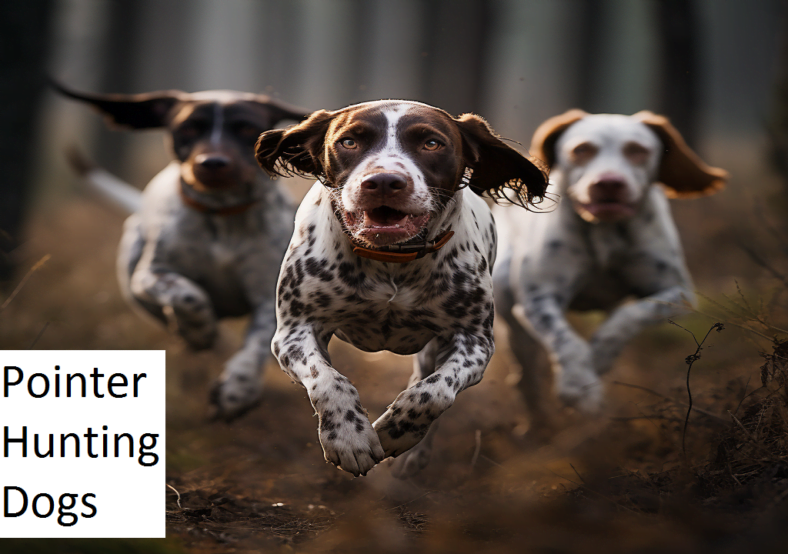
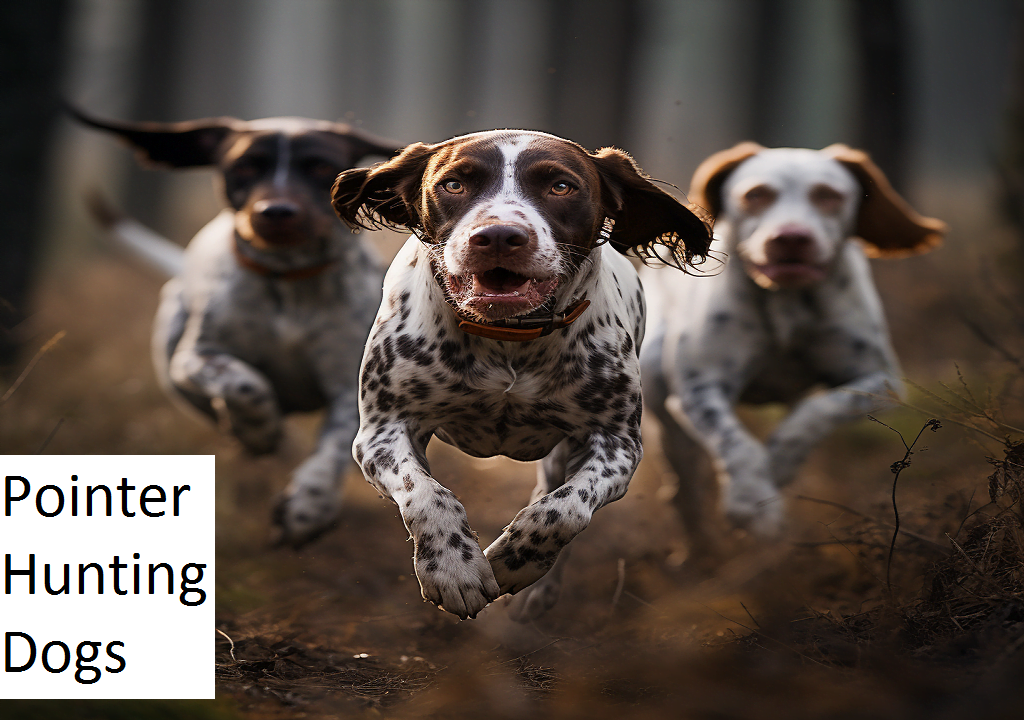
Picture a graceful ballet unfolding across the fields, where elegance seamlessly converges with effectiveness – this signifies the domain of pointer hunting dogs. These magnificent companions symbolize the exquisite fusion of finesse and mission as they skillfully traverse the terrain in pursuit of their quarry. Let us accompany you as we embark on a voyage to delve into the universe of pointer hunting dogs, where every movement unfolds as a masterpiece of their art.

The Pointer’s Heritage and Legacy

A Glimpse into History: The Birth of a Hunter

The pointer, celebrated for its unique posture and exceptional hunting prowess, boasts a storied heritage deeply intertwined with the realm of game hunting. Originating in the 17th century, these canines were meticulously bred with the purpose of “pointing” or halting when sensing game, thereby enabling hunters to draw near and secure their target.

Poetry in Motion

The Pointer’s Stance: Elegance Meets Purpose

Imagine a ballet dancer striking a pose – that’s the pointer’s signature stance. When they lock onto a scent, they freeze, extending one front leg forward and lifting the other, with their tail held high. This immobile yet poised posture directs the hunter’s attention to the location of the game.

A Symphony of Senses

Nose and Eyes: Pointer’s Extraordinary Senses

Much like nurturing a budding artist’s potential, training a pointer involves channeling their innate instincts. Handlers expertly impart commands such as “whoa” for halting and “fetch” for game retrieval. It’s the consistent use of positive reinforcement and patience that act as the brushes steadily molding their remarkable abilities.

The Pursuit of Excellence

Pointers in the Field: Skillful Game Finders

In the hunting arena, pointers shine like expert trackers. Just as a skilled detective solves a mystery, pointers unravel the scent trails of game animals. Their ability to remain steady and focused while game is flushed out sets the stage for a successful hunt.

The Art of Training

Molding the Pointer’s Talents: Training and Discipline

Training a pointer mirrors the nurturing of a fledgling artist’s potential. Handlers adeptly channel their inherent instincts, teaching commands such as “whoa” for halting and “fetch” for game retrieval. Throughout this process, consistency, positive reinforcement, and patience act as the brushes that meticulously mold their evolving abilities.

Retrieving Game: A Pointer’s Versatility

Beyond Pointing: Pointer as a Hunter-Companion

Imagine a versatile actor playing multiple roles – that’s the pointer in the hunting world. While renowned for pointing, they’re also skilled retrievers. After pointing and flushing game, they fetch it, showcasing their all-around prowess in the hunting landscape.

A Canine Partnership

Pointer and Handler: An Unbreakable Bond

Similar to the synergy between two artists crafting a masterpiece, pointers and their handlers function seamlessly. The handler astutely deciphers the dog’s cues, grasping their body language and fluctuations in behavior. This harmonious partnership ensures a productive and rewarding hunting experience.

Competitive Spirit

Pointer Field Trials: A Sporting Showcase

Picture a stage where pointers demonstrate their skills – that’s the arena of field trials. These events are like the Olympics for pointer hunting dogs, where they showcase their abilities in a controlled environment. Judges assess their pointing, retrieving, and overall performance, celebrating their excellence.

A Pointer in the Family

Pointer as a Household Companion

Picture a steadfast companion equally at ease on the couch and in the field – this defines the pointer’s role as a cherished family companion. Their tender and amiable disposition goes beyond the hunting terrain, establishing them as delightful household additions, devoted to being integral family members.

Caring for a Pointer

Health and Wellness: A Pointer’s Lifelong Care

Nurturing a pointer is akin to tending to an enduring masterpiece. Consistent exercise, a well-balanced diet, and regular veterinary visits are all pivotal in maintaining their well-being and extending their lifespan. Just as a work of art stands the test of time, a well-attended pointer thrives.

Pointer Community

Enthusiast Connection: Clubs and Events

Imagine a congregation of imaginative intellects, much like an artist’s community – such is the domain of pointer enthusiasts. Within clubs, events, and online platforms, these passionate individuals come together, sharing narratives, perspectives, and a deep reverence for pointers. This fellowship fosters a feeling of inclusiveness and fosters the cultivation of conscientious ownership.

Preserving a Legacy

Conservation and Pointer Breeding

Much like the careful work of an art restorer in safeguarding a masterpiece, conscientious breeders ardently commit to maintaining the authenticity of the pointer breed. Their undertakings hold a central focus on health, temperament, and working prowess, consequently guaranteeing the enduring continuation of the pointer hunting dogs’ heritage.

Pointer Mystique

The Pointer’s Mystique: An Unforgettable Impression

Imagine a painting that leaves an indelible impression – that’s the allure of the pointer. Their majestic stance, keen senses, and unwavering dedication to the hunt create a lasting memory. The pointer’s mystique captivates not only hunters but anyone who witnesses their grace and skill.

Conclusion: The Pointer’s Timeless Artistry

In the world of hunting, the pointer stands as a masterpiece of grace, skill, and companionship. Just as a painter’s strokes bring a canvas to life, pointers bring the fields to life with their keen senses and unmatched ability to point and retrieve game. As their legacy continues to unfold, the pointer’s timeless artistry remains a testament to the harmonious bond between humans and their faithful four-legged partners.

FAQs (Frequently Asked Questions)

Q1: Are pointers good family dogs?
A1: Yes, Pointers have the potential to be exceptional family dogs. Their affectionate, loyal, and gentle nature makes them particularly suitable for families who embrace outdoor activities and lead an active lifestyle.

Q2: Do pointers require a lot of exercise?
A2: Yes, Pointers, being high-energy dogs, thrive on regular exercise for their well-being. Involving them in activities such as running, playing fetch, and engaging in dog sports is essential to maintain their happiness and overall health.

Q3: How are pointers different from other hunting breeds?
A3: Pointers are distinct in their stance and pointing behavior. Unlike flushing breeds that scare game out of hiding, pointers freeze to indicate the presence of game, allowing hunters to approach and flush it out.

Q4: Can pointers be kept as indoor dogs?
A4: While pointers are known for their outdoor hunting abilities, they can adapt to indoor living if provided with ample exercise and mental stimulation. However, they thrive when given opportunities to explore the outdoors.

Q5: Are pointers suitable for novice hunters?
A5: Pointers are highly skilled hunting dogs, but their training and handling can be challenging for novice hunters. Collaborating with a skilled trainer or handler can significantly contribute to establishing a successful hunting partnership.

Unleashing the Spirit of the Beagle Hunting Dog: A Dive into Their History and Skills

Table of contents

Introduction: The Beagle’s Hunting Heritage

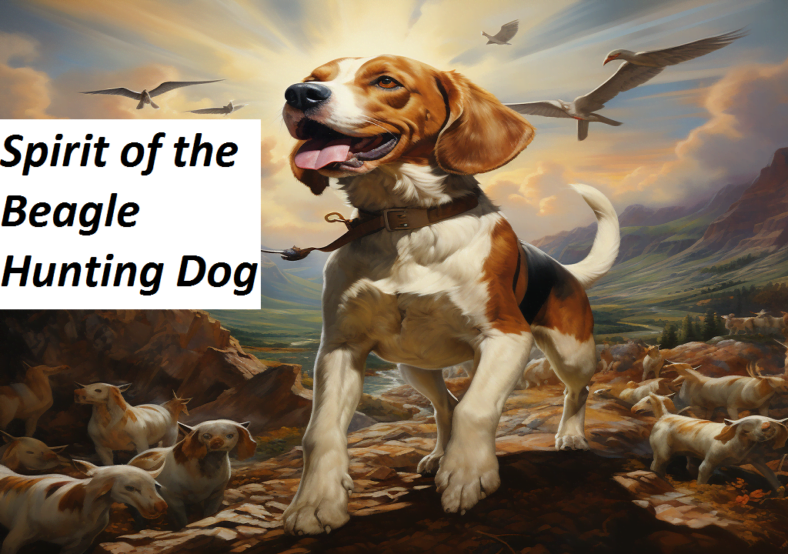
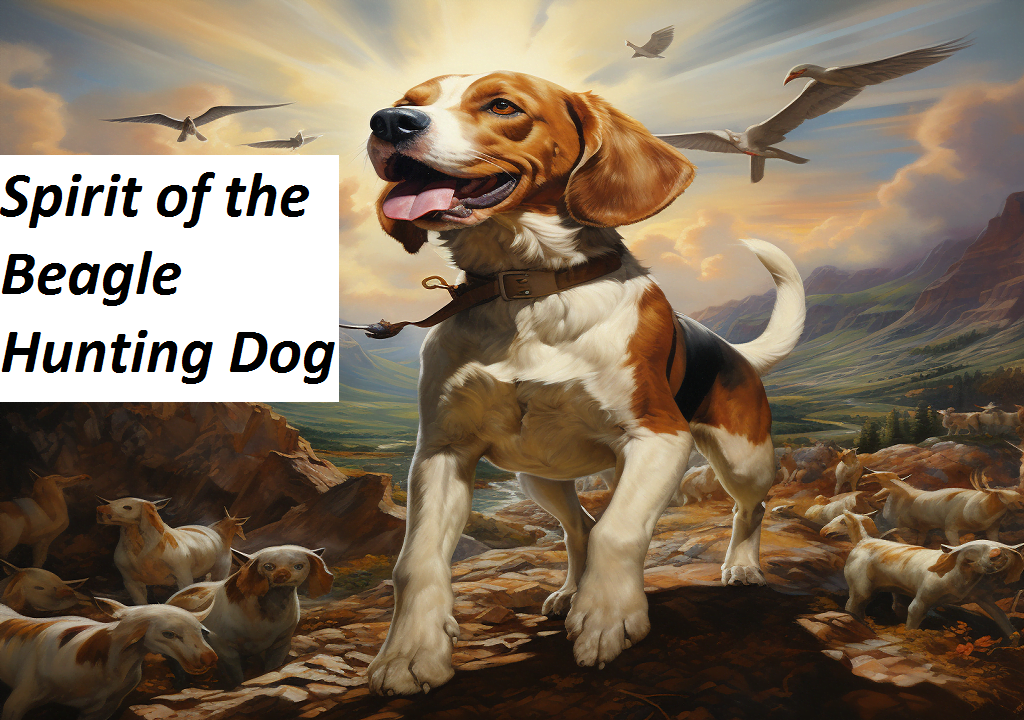
Picture a canine detective on the scent, unraveling mysteries with their incredible olfactory prowess. That’s the beagle, a hunting dog breed with a remarkable history deeply rooted in their keen senses and boundless energy. So, let’s embark on a journey to discover the world of beagle hunting dogs, where their nose leads the way and their spirit shines.

A Glimpse into Beagle Origins

Defining the Beagle: From Rabbit Chaser to Companion

The beagle is a hunting dog, a small to medium-sized hound, traces its lineage back to ancient times, when hounds were bred for their hunting abilities. Originally developed as scent hounds for tracking small game, beagles soon found a place in the hearts of families as loyal and affectionate companions.

The Scent Whisperers

Nose to the Ground: Beagle’s Olfactory Prowess

Picture a world where scents paint a vivid picture – that’s how a beagle perceives the world. With around 220 million scent receptors (compared to our 5 million), their nose is their GPS, helping them follow trails with astonishing accuracy. It’s like having a master detective in canine form.

Rabbit Runners and Beyond

The Hunt is On: Beagle as a Tracking Maestro

Synonymous with rabbit hunting, beagles showcase their incredible tracking abilities. Just as a skilled tracker follows footprints, beagles follow scent trails. Consequently, their determination and focus in chasing down rabbits earned them the reputation of being exceptional scent hounds.

Pack Players

Harmony in Numbers: Beagle Packs in Hunting

Imagine a team of experts collaborating on a complex project – that’s how beagle packs operate. In a pack, they synchronize their efforts, enhancing their tracking prowess. With their unique baying sound, they communicate their findings to hunters, creating a symphony of teamwork.

Following the Scent Trail

Beagle Field Trials: The Sport of Scent

Beagle field trials are akin to competitive treasure hunts for dogs. In this scenario, envision a canine version of a marathon where beagles adeptly follow complex scent trails, showcasing their remarkable skill, speed, and unwavering focus. Such trials not only celebrate their innate abilities but also provide a platform for enthusiasts to truly appreciate their exceptional prowess.

Beyond the Rabbit Hole

Versatility Unleashed: Beagles in Modern Hunting

While their rabbit-hunting history is iconic, beagles have adapted to various hunting scenarios. Just as a versatile athlete excels in multiple sports, beagles excel in hunting foxes, deer, and even tracking wounded game. Their agility and unwavering spirit make them a reliable choice for different hunting pursuits.

The Family Hunter

Beagles as Beloved Companions

Imagine a loyal friend who’s always up for an adventure – that’s the beagle’s role as a family companion. Beyond their hunting skills, beagles are affectionate, playful, and gentle with children. Their friendly demeanor and adaptability make them cherished members of households around the world.

Training the Beagle Way

Paws-on Training: Nurturing Beagle Talents

Training a beagle is comparable to sculpting a diamond – their innate talents require guidance to truly sparkle. From basic obedience to engaging in scent tracking exercises and socialization, all these factors contribute to nurturing a well-rounded and well-behaved beagle. The process demands patience, unwavering consistency, and a heavy dose of positive reinforcement to effectively shape both their hunting and companion skills.

Challenges and Considerations

Managing the Beagle’s Energy and Instincts

Just as a race car needs proper handling, a beagle’s energy and instincts require management. Their insatiable curiosity can lead them astray, so secure fencing and controlled environments are crucial. Providing mental and physical stimulation through activities like scent games helps channel their boundless energy.

Health and Wellness

A Healthy Hound: Beagle’s Wellbeing

Ensuring a beagle’s health is akin to upkeeping a well-oiled machine. Through regular exercise, a balanced diet, and consistent veterinary care, their longevity and vitality are preserved. Just as athletes maintain their bodies, prioritizing a beagle’s wellbeing guarantees they remain agile, full of energy, and always prepared for thrilling adventures.

The Beagle Community

Beagle Enthusiasts Unite: Clubs and Events

Imagine a gathering of like-minded individuals coming together to celebrate a shared passion – that’s the beagle community. Through beagle clubs, events, and online forums, enthusiasts unite to share knowledge, stories, and tips. This camaraderie not only fosters a sense of belonging but also promotes responsible ownership.

Tales of Courage and Compassion

Beagles in Search and Rescue

Beagles’ remarkable scent detection skills extend beyond hunting. They have been enlisted in search and rescue missions, harnessing their noses to locate missing persons or disaster survivors. Much like a hero stepping forward during times of crisis, beagles have demonstrated their bravery and resourcefulness as invaluable search companions.

The Beagle’s Howl: Music to the Ears

The Beagle’s Bay: More Than Just a Bark

Imagine a musician expressing emotions through their instrument – that’s a beagle’s bay. Their distinctive bay is more than just noise; it’s a form of communication. It’s how they express excitement, signal their findings during hunts, and even engage in conversations with their human counterparts.

A Never-ending Adventure

Beagle’s Spirit: The Journey Continues

Just as a wanderer finds new horizons to explore, a beagle’s spirit of adventure knows no bounds. Whether they’re sniffing out hidden treats or tracking a scent trail, their enthusiasm is infectious. The beagle journey is a continuous exploration of their talents, bonds, and the joy they bring to our lives.

Conclusion: The Beagle’s Enduring Legacy

In the realm of hunting and companionship, the beagle has etched a lasting legacy. Their expertise as skilled trackers and their comforting role as family members have forged an unforgettable impact. As their howls resound through time, the beagle’s essence continues to shine as a symbol of unwavering loyalty, determination, and limitless affection.

FAQs (Frequently Asked Questions)

Q1: Are beagles good for families with children?

A1:
Certainly! Beagles are renowned for their amiable and mild demeanor, positioning them as exceptional companions for families with children.

Q2: How much exercise does a beagle need?

A2:
Beagles possess abundant energy and necessitate daily exercise. Through regular walks, playtime, and engaging mental stimulation, their happiness and well-being can be ensured.

Q3: Can beagles be trained to live with other pets?

A3: Yes, beagles can generally get along well with other pets, especially if they are socialized from a young age. Proper introductions and training are key to successful coexistence.

Q4: Do beagles shed a lot?

A4: Yes, beagles have a short coat that sheds year-round. Regular brushing can help manage shedding and keep their coat healthy.

Q5: Are beagles prone to any health issues?

A5: Beagles may have a tendency to develop specific health problems such as hip dysplasia, ear infections, and obesity. However, these risks can be alleviated with regular veterinary check-ups and a balanced lifestyle.

How To Hunt Quail: A Comprehensive Guide

Table of contents

Introduction

Quail hunting is a time-honored tradition that combines skill, patience, and a deep connection to the outdoors. Whether you’re a novice hunter or looking to refine your quail hunting technique, this guide will equip you with the knowledge and strategies needed for a successful and rewarding hunt.

Understanding Your Prey – The Quail Species

Before embarking on a quail hunting adventure, it’s essential to familiarize yourself with the different species of quail and their habits.

Identifying Quail Habitats: Where to Find Them

Quail are often found in specific types of habitats. Learn to recognize the environments where quail thrive for a more targeted hunt.

Seasons and Regulations: Hunting Responsibly

Understanding quail hunting seasons, bag limits, and local regulations ensures ethical hunting and conservation efforts.

Essential Gear and Equipment

Having the right gear can make or break your quail hunting experience. Let’s delve into the must-have equipment.

Shotguns and Ammunition: Choosing the Right Combination

Select a shotgun and ammunition that’s well-suited for quail hunting, considering factors like gauge and shot size.

Hunting Apparel: Blend In for Success

Camouflage clothing and appropriate footwear are key to getting close to quail without spooking them.

Safety First: Protecting Yourself and Others

Prioritize safety by following proper firearm handling practices and wearing necessary protective gear.

Techniques for a Successful Quail Hunt

Now, let’s dive into the strategies and techniques that will help you bag those elusive quail.

Scouting: Locating Quail Before the Hunt

Scouting the hunting area beforehand gives you insight into quail behavior and preferred spots.

Understanding Coveys: Group Dynamics

Quail often travel in groups called coveys. Learn about covey behavior to maximize your chances of a successful hunt.

Working with Dogs: Man’s Best Hunting Partner

Well-trained hunting dogs can significantly enhance your quail hunting experience. Discover how to work harmoniously with your canine companion.

The Art of Quail Calling

Using quail calls can attract these birds and increase your chances of a successful encounter.

Different Calls: Mastering the Quail Vocalizations

Familiarize yourself with various quail calls, from assembly calls to distress calls, and practice their use.

Timing and Intervals: Mimicking Natural Communication

Understanding when and how often to use quail calls can make a significant difference in your hunt’s success.

Approaching the Quail with Stealth

Quail are known for their skittish nature, so stealth is key to getting within shooting range.

Movement and Noise: Minimizing Your Presence

Learn to move quietly, avoiding sudden noises and movements that might alert the quail.

Wind Direction: Using Nature to Your Advantage

Understanding wind direction helps you approach quail from downwind, reducing the chances of them catching your scent.

Aiming and Shooting Techniques

When the time comes to take your shot, mastering aiming and shooting techniques is essential.

Leads and Lead Distances: Calculating Your Shot

Determine the right lead distance to accurately hit a moving target, considering the quail’s speed and direction.

Follow-Through: Maintaining Your Shooting Form

Practice follow-through to maintain proper shooting form and increase your chances of hitting the target.

Retrieving and Field Dressing Quail

After a successful shot, proper retrieval and field dressing ensure you make the most of your hunt.

Dog Retrieval: Utilizing Your Canine Partner

If you’re hunting with a dog, train them to retrieve downed quail gently and efficiently.

Cleaning and Cooking: Preparing Your Harvest

Learn how to clean and cook quail for a delicious meal that’s the ultimate reward for your efforts.

Conservation and Ethics

As responsible hunters, it’s crucial to prioritize conservation efforts and ethical hunting practices.

Leaving No Trace: Respecting the Environment

Pack out everything you bring in and avoid disturbing habitats to leave the wilderness pristine for future generations.

Conclusion

Quail hunting is an exhilarating pursuit that demands a combination of skills, knowledge, and respect for the environment. By understanding quail behavior, perfecting your hunting techniques, and practicing ethical hunting, you can experience the thrill of a successful quail hunt while contributing to conservation efforts.

FAQs

Q1: What’s the best time of day to hunt quail?

A1: Quail are most active during the early morning and late afternoon hours, as they forage for food.

Q2: Do I need a hunting dog to hunt quail?

A2: While a hunting dog can be immensely helpful, it’s not mandatory. You can still hunt quail successfully without one.

Q3: What’s the typical habitat for quail?

A3: Quail prefer habitats with a mix of open fields, brushy areas, and cover, such as grasslands and shrublands.

Q4: How do I know if a quail is in shooting range?

A4: Practice judging distances and leads during target practice to improve your ability to determine shooting range.

Q5: Can I eat quail that I’ve hunted?

A5: Absolutely. Quail are a delicious game bird, and with proper cleaning and cooking, you can enjoy a flavorful meal.

Unleashing Creativity: Finding the Perfect Girl Hunting Dog Names

Table of contents
Introduction

When it comes to choosing a name for your girl hunting dog, the options are as vast as the wilderness they’ll explore by your side. The right name can capture your furry companion’s spirit, showcase their hunting prowess, and reflect their unique personality. Just like tracking game through the forest, let’s embark on a journey to discover the most fitting and captivating names for your girl hunting dog.

Title: Graceful Monikers for Female Hunting Partners

Hunting dogs embody grace and determination. A name that echoes these qualities can be the perfect match.

The Wild Huntress: Blending Elegance and Ferocity

Why settle for a regular name when you can have one that showcases both the elegance and ferocity of your girl hunting dog?

A Trail of History: Drawing Inspiration from Legendary Hunters

Looking back at history’s legendary hunters can provide a treasure trove of name ideas that exude strength and determination.

Embracing Nature: Names Rooted in the Outdoors

Nature offers a plethora of inspiration for hunting dog names. How about a name that connects your dog to the very environment they’ll thrive in?

Swift and Sure: Nodding to Your Dog’s Agility

Hunting demands agility and quickness. Naming your dog after these qualities could be a nod to their inherent skills.

Rising Stars: Celestial Names for Your Canine Companion

Stars guide us through the night, just like your dog will guide you through the hunt. Consider celestial names that match your dog’s luminous personality.

Title: Crafting Names Inspired by Hunting Gear

Hunting gear is synonymous with the hunt itself. Why not pay homage to this essential equipment with a name that echoes its significance?

The Hunter’s Arsenal: Weapons as Namesakes

Weapons like bows, arrows, and daggers have stood the test of time in hunting. Choosing a name inspired by these tools can reflect your dog’s readiness for the hunt.

Pawprints and Patterns: Names Reflecting Coats

Your dog’s coat is as unique as their personality. Pick a name that mirrors the colors and patterns that make your girl hunting dog stand out.

A Symphony of Sounds: Names with Auditory Allure

Hunting involves listening keenly to the sounds of the wild. Opt for a name that has a melodic ring and captures your dog’s attentiveness.

Title: Tapping into Instincts with Nature-Inspired Names

Nature is a wellspring of instincts, which are vital for any hunting dog. Let’s explore names that celebrate your dog’s natural hunting prowess.

Predator or Prey: Names Balancing Both Sides

In the wild, the line between predator and prey is thin. Choose a name that embodies the duality of your dog’s role in the hunt.

Mystique Unleashed: Enigmatic Names for Inquisitive Dogs

Dogs are curious creatures, much like hunters who explore the unknown. A mysterious name can reflect your dog’s inquisitive nature.

Title: A Huntress by Any Other Name

Drawing inspiration from famous female hunters can pay homage to their legacy while naming your own skilled canine huntress.

Mythical Huntresses: Names from Ancient Legends

Mythology offers a trove of powerful, mythical huntresses. Naming your dog after these legends can infuse her with their legendary prowess.

Echoes of the Wild: Names with a Natural Resonance

A name that reverberates with the wild echoes of nature can be a poetic choice for your girl hunting dog.

Title: Navigating the Terrain with Geographical Names

Geographical features have stories to tell, just like your dog’s adventures. Consider naming her after landscapes that mirror her hunting spirit.

Peaks and Valleys: Names Reflecting Topography

Mountains and valleys symbolize the highs and lows of hunting. Choose a name that encapsulates the thrill of the chase.

Rivers and Streams: Fluid Names for Agile Dogs

Hunting dogs need to navigate diverse terrains. A name inspired by rivers and streams can reflect your dog’s agility and adaptability.

Title: Channeling Strength through Elemental Names

Elements like fire and wind embody strength and vitality. A name inspired by these forces of nature can amplify your dog’s hunting prowess.

Flames of Passion: Names Ignited by Fire Imagery

Fire is fierce and unyielding, much like a dedicated hunting dog. Choose a name that captures the burning passion your dog has for the hunt.

A Breath of Freedom: Wind-Inspired Names

Wind whispers through the wilderness, just like your dog’s paws will tread lightly on the hunt. Opt for a name that carries the spirit of freedom.

Title: Celebrating the Hunt with Victory Names

The thrill of the hunt culminates in victory. Why not celebrate your dog’s triumphant spirit with a name that signifies success?

Triumphant Titles: Names for Victorious Hunting Dogs

A name that signifies triumph and victory can be a daily reminder of your dog’s success in the field.

Eternal Huntresses: Names That Transcend Time

Some names are timeless, just like the art of hunting. Choose a name that can stand the test of time and be a cherished companion on every hunt.

Conclusion

Selecting the perfect name for your girl hunting dog is a journey that intertwines nature, history, and the bond you share. With a wide array of inspirations to choose from, your dog’s name can encapsulate her hunting prowess and unique personality. So, go ahead and embark on this exciting quest to find the name that will resonate through the ages as a testament to the skilled huntress she is.

FAQs

Q1: Should I choose a name based on my dog’s appearance or her hunting skills?

A1: It’s a great idea to consider both aspects. A name that reflects her appearance and her hunting abilities can create a well-rounded identity.

Q2: Can I choose a unisex name for my girl hunting dog?

A2: Absolutely! Unisex names can be fitting and unique. Focus on the qualities you want the name to convey.

Q3: What if I can’t decide between a few names?

A3: Try each name out for a few days and see which one feels most natural when you call your dog. Their response might guide you.

Q4: Are there specific names that work well for certain hunting breeds?

A4: Some names might align better with certain breeds, but don’t be afraid to think outside the box. It’s about capturing your dog’s essence.

Q5: Can I change my dog’s name if it doesn’t seem to suit her?

A5: Of course! Dogs can adapt to new names, especially if they are still young. Make the transition gradually and use positive reinforcement.

Unusual Hunting Dog Breeds: The Unsung Canine Heroes

Table of contents

Introduction: The World Beyond Retrievers and Pointers

Understanding the Purpose of Hunting Dogs

Throughout history, humans have been leveraging the natural instincts of dogs to aid in hunting. Hunting dogs play a variety of roles including tracking, chasing, and retrieving game. Breeds have been developed to excel in specific tasks, honing the inherent skills of their wild ancestors. From the mighty retrievers to the agile pointers, the hunting dog breeds we know and love today are the result of centuries of careful breeding.

Exploring Unusual Breeds: A Brief Overview

While most of us are familiar with the popular hunting dogs such as the German Shorthaired Pointer or the Labrador Retriever, there exists a whole world of unusual hunting dog breeds that are lesser known yet fascinating. Whether it’s their unique hunting techniques, physical traits, or simply their rarity, these breeds catch the eye and pique curiosity. Each has a unique story, a distinct personality, and a set of skills that make them valuable hunting companions.

The Azawakh: Africa’s Elegant Hunter

The Historical Background of the Azawakh

The Azawakh, a sighthound breed from Africa, has a long and storied history. Primarily found in countries like Mali, Niger, and Burkina Faso, the Azawakh has been a loyal companion to the nomadic clans of the Sahel region. Initially bred for guarding livestock and hunting game, the western world has been captivated by their graceful gait and elegant appearance.

Uniqueness: The Physical and Hunting Traits

Standing tall and slender, the Azawakh is a picture of grace. Their long legs give them a remarkable speed, a crucial trait for a sighthound. As a breed, they are characterized by their unwavering loyalty and fierce protective instincts. When it comes to hunting, their exceptional vision and speed allow them to chase down and catch prey with remarkable efficiency.

The Azawakh’s Role in Modern Hunting

Despite their traditional role in hunting, the Azawakh is also gaining recognition in the field of lure coursing, a modern sport that simulates the chasing of game. Their speed, agility, and natural hunting instincts make them formidable competitors in these events. However, their need for intense physical exercise and mental stimulation mean they may not be the best fit for everyone.

The Kooikerhondje: A Dutch Delight

Origins and History of the Kooikerhondje

The Kooikerhondje, also known as the Dutch Decoy Dog, is a breed steeped in tradition and history. The breed originated in the Netherlands, where it was used to lure and drive ducks into traps – a method called “tolling.” Dutch nobility highly valued these small, attractive dogs with their distinctive white and orange coat, often featuring them in paintings of the 17th and 18th centuries.

Specialty: The Kooikerhondje’s Unique Hunting Style

The Kooikerhondje’s role as a tolling dog is quite unique. The breed’s playful nature, coupled with its long, bushy tail, was used to lure curious ducks towards traps called “kooien”. Over time, these dogs developed into expert lurers, making full use of their intelligence, agility, and charm. Even today, they carry the instincts and drive that made them excellent tolling dogs.

Kooikerhondje: A Family Pet and Hunter

Today, the Kooikerhondje is cherished more as a family pet than a hunter. They are known for their friendly demeanor, intelligence, and easy trainability, making them excellent companions. However, the tolling instincts are still strong within them. With the right opportunities, a Kooikerhondje can still show off its unique hunting style, whether in simulated hunting games or competitive dog sports.

Finnish Spitz: The Bark Pointer

Finnish Spitz: A Deep Dive into their History

The Finnish Spitz, known as “Suomenpystykorva” in their native Finland, has a history that dates back thousands of years. These dogs were bred to hunt a variety of game, but they are most known for their unusual method of hunting birds. In fact, the Finnish Spitz is Finland’s national dog, and it remains a popular breed within the country.

The Barking Strategy: How It’s Utilized in Hunting

Finnish Spitzes have a unique hunting style where they use their bark to point out game. They locate birds in trees and then use a specific type of bark to alert the hunter and keep the bird’s attention. The hunter can then approach and make the shot. This ‘bark pointing’ is a unique skill that sets the Finnish Spitz apart from many other hunting breeds.

The Finnish Spitz in Today’s Hunting Scenario

While their traditional role as bird hunters isn’t as needed in modern times, the Finnish Spitz has found new ways to put its skills to use. They participate in bark pointing competitions and are successful in several other dog sports. Furthermore, their friendly and lively nature makes them wonderful family pets. They are known for being great with children and get along well with other dogs.

Plott Hound: America’s Big Game Tracker

A Look into the Plott Hound’s Background

Plott Hounds have a rich history in America, a breed established by a German immigrant, Johannes Plott, in the 18th century. Initially bred for boar hunting, the Plott Hound is a strong, fearless breed known for its coonhound-type appearance but with a brindle or solid coloring.

Plott Hound’s Hunting Skills: Big Game Chasing

While many hunting dogs focus on small game or birds, the Plott Hound is all about the big game. From boars to bears, this dog has the strength, endurance, and tenacity to tackle large, formidable animals. Plott Hounds track game using their sharp sense of smell and are known for their intense tracking focus and fearless nature.

The Relevance of the Plott Hound in Modern Hunting

Today, Plott Hounds remain a top choice for hunters seeking a dog capable of handling big game. In addition to hunting, they are also known for their roles in search and rescue missions due to their superb tracking abilities. Their love for family and protective instincts make them excellent family pets when properly socialized and trained.

Bracco Italiano: Italy’s Best-Kept Secret

Understanding the Bracco Italiano’s Lineage

The Bracco Italiano, one of the oldest pointing breeds, has its roots in Italy, dating back to the 4th or 5th century BC. This breed, characterized by its drooping ears and thoughtful expression, was a favorite among Italian nobility for its exceptional hunting skills.

The Distinct Hunting Skills of the Bracco Italiano

The Bracco Italiano is a versatile hunting dog, proficient in both pointing and retrieving. They have an exceptional nose, are excellent at tracking, and can retrieve on land and water. These dogs hunt in a distinctive fast trot, capable of covering a vast amount of ground quickly.

Bracco Italiano: From Italian Fields to Global Hunting Grounds

While still relatively rare outside Italy, the Bracco Italiano is gaining recognition for its hunting prowess and companionable nature. They are energetic dogs with a love for working alongside their human counterparts, making them excellent candidates for hunting, agility sports, and even as a family pet.

Karelian Bear Dog: Fearless Game Pursuer

The Origin Story of the Karelian Bear Dog

Hailing from the border regions of Russia and Finland, the Karelian Bear Dog is a robust and fearless breed with a long history of hunting large and formidable game, including bears, moose, and wild boars. In its native land, a spitz-type dog highly values its courage, tenacity, and excellent tracking abilities.

Hunting Techniques of the Karelian Bear Dog

Unlike many hunting breeds that are used to bring down game, the Karelian Bear Dog’s primary role is to track and corner its target, keeping it at bay while barking loudly to alert the hunter. This strategy allows hunters to arrive and either take the shot or, in some areas, tag and track the animal for research purposes.

Modern Day Role of the Karelian Bear Dog

Today, many parts of the world still utilize the Karelian Bear Dog in its traditional role. Additionally, people often use these dogs in wildlife management efforts, particularly in North America, to minimize dangerous encounters between humans and bears. As pets, they are loyal and protective, but their independent nature and high exercise needs can make them challenging for some owners.

Teckel (Dachshund): A Small Game Specialist

Diving into the Dachshund’s History

In hunting circles, the Dachshund, known as a “Teckel,” is a breed with German origins primarily celebrated for its unique “sausage dog” appearance. Despite its small size, people bred the Dachshund for hunting badgers, rabbits, and foxes. Its short legs and elongated body allowed it to dig into burrows and flush out game.

The Dachshund’s Hunting Capabilities

With a keen nose second only to the Bloodhound, Dachshunds are excellent scent trackers. They can pick up a trail and follow it tenaciously. Their courage, determination, and strong prey drive allow them to take on game much larger than themselves. Dachshunds are known to work both above and below ground, tracking wounded game or digging into burrows to flush out prey.

The Dachshund in Today’s Hunting and Home Scenario

While the Dachshund’s hunting abilities are less called upon today, they still excel in events such as earthdog trials that simulate their historic hunting tasks. As a pet, the Dachshund exhibits a lively personality, intelligence, and loyalty, although their strong prey drive can sometimes lead to stubbornness.

Conclusion: A New Perspective on Hunting Dog Breeds

By venturing into the diverse world of hunting dog breeds, we unearth a wealth of unique, unusual breeds, each with their distinct histories, characteristics, and skills. From the agile Azawakh to the fearless Karelian Bear Dog, these breeds shed light on the diverse roles dogs have played in hunting across different cultures and periods.

These unsung canine heroes challenge our traditional perception of hunting dogs. Their varied skillsets and hunting techniques underscore the flexibility and adaptability of dogs as a species. Whether it’s the Dachshund’s tenacity despite its small stature or the Bracco Italiano’s dual role as a pointer and retriever, each breed brings something unique to the table.

Although many of these breeds are not as well-known or common as the mainstream hunting dogs, they continue to play significant roles in various parts of the world. Whether as dedicated hunting partners, participants in modern dog sports, or simply as loyal pets, these breeds offer a blend of history, functionality, and charm that can be a perfect match for the right person.

Frequently Asked Questions

1. Why are some hunting dog breeds considered unusual?

Some breeds stand out as unusual due to their rarity, unique hunting styles, or specific game they were bred to hunt. Many are lesser-known outside their countries of origin.

2. Are unusual hunting dog breeds good as pets?

Yes, many unusual hunting breeds make excellent pets for the right owner. Their needs and suitability can vary based on their energy levels, exercise requirements, and temperament. Prospective owners should research and understand a breed thoroughly before bringing one into their home.

3. Can these breeds still hunt today?

While hunting requirements have changed over time, many of these breeds retain their hunting instincts and can still perform their traditional roles. Some dogs are also actively involved in hunting-related dog sports.

4. How can I decide if a hunting dog breed is right for me?

Consider your lifestyle, time, space, and resources available. Research the breed’s characteristics, needs, and common health issues. Spending time with the breed and talking to breed owners and breeders can provide valuable insights.

5. Are unusual hunting dog breeds difficult to train?

Training difficulty can vary from breed to breed and dog to dog. Many hunting breeds are intelligent and trainable but may also be independent or stubborn. Positive reinforcement techniques and patience are key to training any dog breed.

An Exhaustive Guide to Spaniel Hunting Dogs: Breeds, Training, and Care

Table of contents

Introduction

Spaniel hunting dogs, with their outstanding agility, infectious energy, and remarkable sense of smell, have been assisting hunters for centuries. Originally bred for flushing game out of dense vegetation, these versatile canines are just as adept on both land and water. This guide will explore the captivating world of Spaniel hunting dogs, providing insights into different breeds, training techniques, and crucial care tips.

Unraveling the Enigma of Spaniels as Hunting Companions

Used as hunting companions for centuries, Spaniels are incredibly versatile, known for their robustness, agility, and exceptional sniffing abilities. They excel in a wide range of environments, making them invaluable to many hunters.

Spaniels: The Perfect Hunting Companions

Traditionally, Spaniels were used to “spring” game out of hiding for nets, falcons, or greyhounds, hence the name “springer.” In modern hunting scenarios, they are usually employed to find and flush game for hunters, demonstrating their adaptability.

The Unique Characteristics of Spaniels

Spaniels are medium-sized dogs with distinguishing physical traits such as floppy ears, long and wavy fur, and ever-wagging tails. They are renowned for their hardiness, intelligence, and their exceptional olfactory senses, which make them an asset in any hunting expedition.

There are numerous Spaniel breeds that are popular among hunters, each having its unique traits, abilities, and hunting style.

English Springer Spaniels: The Energetic Hunters

English Springer Spaniels are a perfect blend of energy, intelligence, and eagerness to please. They’re celebrated for their ability to flush birds out of their hiding spots rapidly and efficiently.

Cocker Spaniels: Small but Tenacious

Both American and English Cocker Spaniels are smaller than Springer Spaniels. Despite their size, they’re incredibly tenacious, showcasing remarkable retrieving abilities that make them valuable assets to any hunting party.

Boykin Spaniels: The Water-loving Retrievers

Boykin Spaniels are especially popular among waterfowl hunters. Their love for water, coupled with their excellent retrieving abilities, make them ideal hunting dogs in wetlands and water bodies.

Training Spaniels for Hunting: A Step-by-Step Guide

Training a Spaniel for hunting can be a gratifying endeavor. It demands consistency, patience, and a deep understanding of the breed’s innate hunting instincts.

Early Training: The Building Blocks

Starting your Spaniel’s training early, when they’re a puppy, sets a firm foundation. Begin with basic obedience commands and then gradually introduce them to the hunting environment.

Field Training: Refining the Skills

Field training begins with simple fetch exercises and slowly progresses to more advanced drills like quartering, where the dog learns to scan a field in a systematic manner, and flushing, where the dog learns to drive game from cover.

Water Training: Creating a Waterfowl Hunter

Most Spaniels are natural swimmers. By introducing your dog to water gradually and positively, you can foster this innate skill and develop a talented waterfowl hunter.

A Guide to the Proper Care and Maintenance of Your Hunting Spaniel

To ensure your Spaniel performs optimally during hunting expeditions, you must maintain their overall health and wellbeing.

Regular Exercise: For Health and Happiness

Being high-energy breeds, Spaniels require regular and rigorous exercise. Regular physical activity keeps them fit, healthy, and mentally stimulated, even during the hunting off-season.

A Balanced Diet: Fuel for the Field

A well-balanced diet is paramount for keeping your Spaniel healthy. Their dietary requirements can change based on their age, size, and the level of physical activity they engage in daily.

Regular Grooming: A Clean Spaniel is a Happy Spaniel

Spaniels need regular grooming due to their long, silky fur. Regular brushing can help prevent matting and tangling, keeping your Spaniel looking their best.

Conclusion

Spaniels are not only adept hunting companions but also excellent family pets. Their boundless energy, agility, and formidable scenting abilities make them a joy to work with in the field. Whether you’re an experienced hunter or just starting, a Spaniel by your side can significantly enrich your hunting experience.


Frequently Asked Questions

1. Are Spaniels suitable for novice hunters?

Ans. Absolutely. Spaniels are intelligent, adaptable, and eager to please, making them excellent for novice hunters. Their natural hunting instincts make training a smooth process.

2. How do Spaniels fare in different weather conditions?

Ans. Spaniels are quite hardy and can typically hunt in various weather conditions. However, extreme cold or heat can be harmful, so it’s crucial to monitor your dog’s comfort and health during hunts in harsh conditions.

3. What is the average training duration for a Spaniel hunting dog?

Ans. The duration of training can vary significantly based on the individual dog and the trainer’s experience. However, basic hunting training typically starts when the dog is about six months old and can continue for several months to a year.

4. Do Spaniels blend well into family environments?

Ans. Definitely! Spaniels are known for their friendly, gentle nature. They interact well with children, making them excellent family pets alongside being accomplished hunting dogs.

5. What is the average lifespan of Spaniels?

Ans. Spaniels typically live between 10 to 15 years, depending on the breed. Regular veterinary check-ups and a healthy lifestyle can contribute to a longer, healthier life.

Exit mobile version