Safety-first shooting, hunting, archery, and outdoor gear guides with clear product comparisons and practical buying advice.
Author: The Shooting Gears
The Shooting Gears team with a passion for truth is committed to bringing the best shooting gears for you. We are also confident enough that our unbiased reviews will help to make the right decision. People who want to avoid confusion when buying shooting gears are warmly welcome to https://theshootinggears.com/.
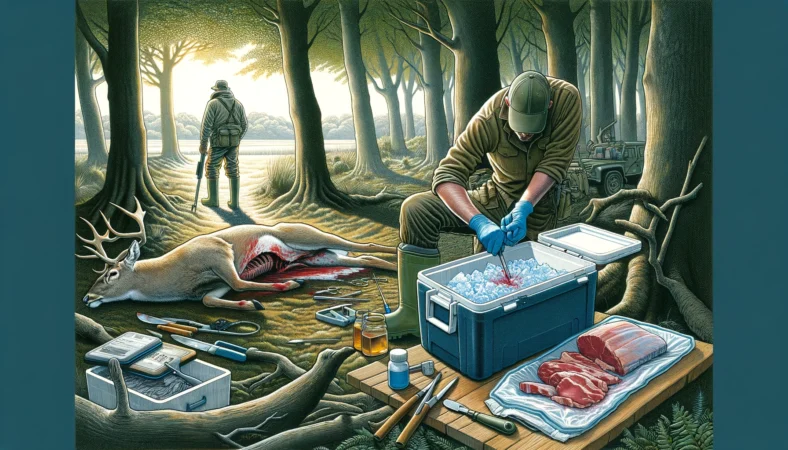
Hunting in warm climates or during early season hunts when temperatures are higher presents unique challenges, especially when it comes to processing a deer. Heat accelerates spoilage, making quick, efficient field dressing and cooling essential to preserving the quality of the meat. Here’s a comprehensive guide to ensure your harvest doesn’t go to waste due to the heat.
Immediate Field Dressing
Act Fast
Time is of the essence. Begin field dressing your deer as soon as possible to release body heat and slow bacterial growth. A clean, quick gutting process removes the internal organs that spoil quickly, significantly reducing the carcass temperature.
Cleanliness is Crucial
Use clean, sharp knives to avoid introducing bacteria. Wearing gloves can also help prevent contamination. Make sure any water used for cleaning the cavity is clean and cool.
Rapid Cooling
Get Air Flowing
Hanging the deer in a shaded area allows air to circulate through the cavity, aiding in cooling. If hanging isn’t an option, position the deer to ensure air can move through the chest cavity.
Use Ice Strategically
In extreme heat, packing the body cavity with ice can help lower the temperature quickly. Bagged ice is ideal, but ensure there’s a way for melted ice water to drain, preventing the meat from soaking.
Consider a Cooler
For longer transport or extreme conditions, a large cooler can be invaluable. Quartering the deer allows it to fit into coolers where ice or ice packs can maintain a safe temperature.
Skinning and Quartering
Skin Quickly
Removing the hide is another effective way to release heat from the carcass. However, if you’re in a very dusty or insect-ridden area, you might delay skinning until you can do so in a cleaner environment to avoid contaminating the meat.
Quartering
In hot weather, quartering the deer not only makes it easier to transport but also exposes more surface area to the air, helping it cool faster. This step is particularly beneficial if you need to transport the deer a significant distance before refrigeration.
Transport and Storage
Keep It Cool
During transport, keep the deer or quarters as cool as possible. Use a tarp or special game bags to protect it from direct sunlight. Elevate the meat off the bed of a truck or trunk to increase airflow around it.
Refrigeration is Key
Once back from the field, refrigerate the meat promptly. If a large game cooler is not available, smaller coolers with ice can suffice for the short term, but be sure to regularly check and replace the ice as it melts.
Aging and Processing
Consider Aging
If temperatures cool down or if you have access to a large, cool storage area, aging the meat can improve its tenderness and flavor. However, in hot weather, this step requires careful temperature control to prevent spoilage.
Timely Processing
Process the deer into cuts and package it for freezing as soon as it’s adequately cooled and, if chosen, aged properly. Vacuum sealing and proper labeling (including the date) will help preserve the meat’s quality in the freezer.
Sanitation and Safety
Bacteria Awareness
Warm weather increases the risk of bacterial growth. Be vigilant about sanitation, and if there’s any doubt about the meat’s safety, err on the side of caution.
Monitor for Spoilage
Pay attention to signs of spoilage such as off odors, sliminess, or discoloration. When in doubt, discard compromised meat to avoid health risks.
Rapid Cooling
Immediate Field Dressing
Efficiency is Key: Begin field dressing immediately after the kill to allow internal heat to escape and to cool the carcass rapidly. In hot weather, this step is critical to prevent bacteria growth and spoilage.
Use of Ice
Internal Cooling: After field dressing, if transport back is not immediate, consider filling the body cavity with bags of ice or frozen water bottles to lower the carcass temperature quickly.
Transport and Storage
Shaded Transport:
Avoid Sunlight: Transport the deer out of the field and into a shaded area as soon as possible. Even a few minutes under the direct sun can significantly increase the carcass temperature.
Airing Out:
Ventilation: Ensure that the carcass has ample air circulation during transport. Avoid wrapping it tightly in tarps or placing it in closed spaces that can trap heat.
Butchering and Meat Handling
Quick Butchering:
Time-Sensitive: Aim to butcher the deer within a few hours of the kill, especially in temperatures above 40°F. If professional processing is not an option, prepare to do it yourself or with the help of experienced hunters.
Clean, Cool Environment:
Preparation Area: Ensure your butchering area is clean and as cool as possible. Use fans or portable air conditioners in enclosed spaces to maintain a lower temperature.
Preservation
Rapid Cooling:
Meat Care: After butchering, immediately move the meat into coolers with ice or into a refrigerator. Aging meat in hot weather is not recommended due to the risk of spoilage.
Freezing Precautions:
Avoid Freezer Burn: When freezing the meat, remove as much air as possible from packaging to prevent freezer burn. Consider vacuum sealing for long-term storage.
Hygiene and Safety
Sanitary Practices:
Avoid Contamination: Use clean tools and wear gloves when processing the deer. Regularly wash hands and surfaces to prevent cross-contamination.
Inspection:
Look for Signs of Spoilage: Be vigilant for any signs of spoilage such as off-odors, sliminess, or discoloration. When in doubt, it’s safer to discard questionable portions.
Frequently Asked Questions for Processing a Deer in Hot Weather
1. How quickly should I field dress a deer when hunting in hot weather?
Answer: Immediate field dressing is crucial in hot weather. Ideally, begin the process within minutes of the harvest to ensure rapid cooling of the carcass and to prevent bacteria growth and spoilage.
2. Is it necessary to use ice if I can get the deer to a cooler quickly?
Answer: If you can transport the deer to a refrigerated space within an hour or so, ice may not be necessary. However, if any delay is expected, using ice to fill the body cavity can significantly reduce the risk of meat spoilage.
3. Can hot weather affect the taste of the deer meat?
Answer: Yes, if the deer carcass is not cooled quickly enough, the meat can begin to spoil, which will adversely affect its taste and safety. Rapid cooling preserves the quality and flavor of the meat.
4. What are the signs of spoilage I should look for when processing deer meat in hot weather?
Answer: Signs of spoilage include a sour or rancid smell, sliminess on the surface of the meat, and discoloration. If you notice any of these signs, it’s safer to discard the affected portions of meat.
5. How long can I store deer meat in a cooler with ice before it needs to be frozen?
Answer: Ideally, deer meat should not be stored in a cooler with ice for more than 24 hours. For best quality, move the meat to a refrigerator or freezer as soon as possible. Ensure the meat is kept at or below 40°F to prevent bacterial growth.
Success in hunting transcends the act of harvesting game. It embodies a comprehensive blend of skills, ethics, and a deep connection with nature. This exploration delves into the core attributes that define a successful hunter, offering insights for both novices and seasoned veterans to enhance their approach to hunting.
Chapter 1: Mastery of Skills
1.1 Precision and Patience
Marksmanship: Proficiency with your chosen weapon is foundational. This includes not only the ability to shoot accurately but also understanding ballistics, how environmental factors affect the shot, and maintaining your equipment in peak condition.
Stealth and Patience: The art of moving silently, blending into the environment, and waiting for the right moment is crucial. Success often comes to those who observe patiently and act decisively.
1.2 Knowledge of the Quarry
Behavioral Understanding: Knowing the habits, food sources, and seasonal movements of your target species can significantly increase your chances of success.
Tracking Skills: The ability to read signs left by animals, such as tracks, scat, and bedding areas, is essential for locating game and interpreting their movements.
Chapter 2: Ethical Considerations
2.1 Respect for Wildlife
Conservation Mindset: Successful hunters view themselves as stewards of the environment, understanding the role of hunting in wildlife management and conservation.
Humane Practices: Ensuring quick, humane kills to minimize suffering is a paramount concern, reflecting respect for the animal and the sport.
2.2 Legal and Social Responsibility
Regulatory Compliance: Adherence to game laws, bag limits, and hunting seasons is non-negotiable, safeguarding wildlife populations for future generations.
Landowner Relations: Respect for private property, securing permissions where necessary, and leaving no trace are marks of a conscientious hunter.
Chapter 3: Connection with Nature
3.1 Immersion in the Wilderness
Outdoor Skills: Navigation, camping, and survival skills allow hunters to safely and effectively immerse themselves in the hunting environment.
Environmental Awareness: A successful hunter is attuned to the nuances of the natural world, from changing weather patterns to the interconnectedness of ecosystems.
3.2 The Hunter’s Ethos
Reflection and Growth: Time spent in pursuit of game offers opportunities for personal reflection, growth, and a deeper appreciation of life’s cycles.
Legacy and Mentorship: Passing on knowledge and ethical practices to new hunters ensures the continuation of a respectful hunting tradition.
Chapter 4: Adaptive Strategies and Lifelong Learning
4.1 The Importance of Adaptability
Evolving Techniques: The most successful hunters are those who can adapt their methods to changing conditions, environments, and behaviors of game. This might mean switching tactics from still hunting to spot-and-stalk based on the terrain or altering calls and decoys in response to animal reactions.
Technological Advancements: Embracing new technologies, whether it be in the form of advanced optics, GPS devices, or the latest in camouflage and scent control, can provide hunters with an edge. However, it’s critical to balance technology with traditional skills to ensure a holistic approach.
4.2 Commitment to Continuous Improvement
Education and Certification: Engaging in formal education programs, certifications, and conservation workshops not only broadens a hunter’s knowledge base but also enhances their credibility and commitment to the sport.
Self-Reflection and Analysis: Successful hunters regularly reflect on their experiences, analyzing what worked, what didn’t, and why. This introspective approach fosters growth and improvement.
Chapter 5: Community Engagement and Conservation Efforts
5.1 Building a Supportive Community
Networking and Clubs: Joining hunting clubs and online communities can provide valuable support, shared knowledge, and opportunities for advocacy. It’s also a platform for sharing successes and learning from collective experiences.
Mentorship and Sharing Knowledge: Experienced hunters have a responsibility to mentor novices, sharing the traditions, ethics, and skills that underpin successful hunting. This mentorship ensures the longevity and sustainability of hunting practices.
5.2 Active Participation in Conservation
Wildlife Management Projects: Many hunters volunteer for habitat restoration projects, wildlife population surveys, and other conservation initiatives. This active participation is crucial for the maintenance of healthy ecosystems and sustainable game populations.
Advocacy for Hunting Rights and Conservation Policies: Successful hunters often become advocates for hunting rights, ensuring that regulations reflect a balance between conservation needs and hunting traditions. Engagement with policymakers and participation in public forums are ways hunters can influence positive outcomes for wildlife management.
Conclusion
The journey to becoming a successful hunter is ongoing, requiring dedication to skill development, ethical conduct, and a profound respect for nature. It’s about embracing the challenges, learning from each experience, and fostering a sustainable relationship with the wilderness. Through this holistic approach, hunting transcends the act of harvesting game, becoming a meaningful engagement with the natural world.
Frequently Asked Questions (FAQs)
1. How long does it take to become a proficient hunter?
Proficiency in hunting is a lifelong pursuit, with skills and knowledge deepening over years of experience and continuous learning.
2. Can ethical hunting positively impact wildlife populations?
Yes, when conducted within regulatory frameworks, ethical hunting can contribute to healthy wildlife populations and habitat conservation efforts.
3. How can I improve my tracking skills?
Practice in the field, study from experts, and engage in tracking workshops or courses to enhance your tracking abilities.
4. What’s the best way to introduce someone to hunting?
Mentorship, focusing on safety, ethics, and basic skills, combined with patient, hands-on experiences in the field, can effectively introduce newcomers to hunting.
5. Is it necessary to be physically fit for hunting?
While physical fitness can enhance your ability to navigate challenging terrain and increase your overall enjoyment, hunting can be adapted to various fitness levels with appropriate planning and strategies.
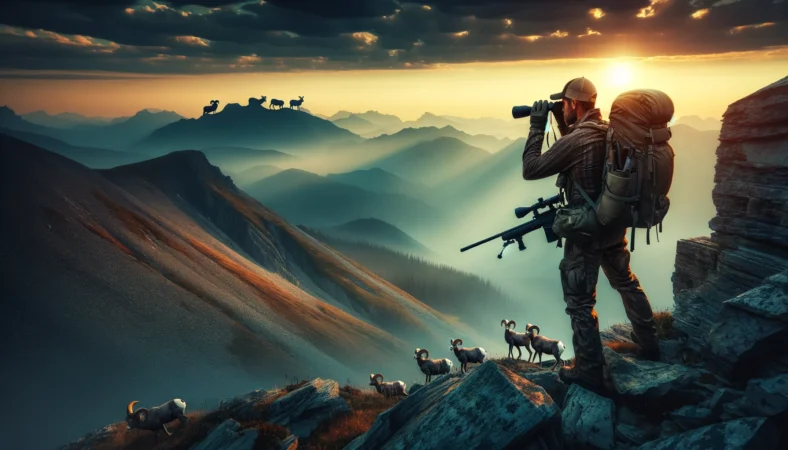
Embarking on your first sheep hunt is a rite of passage that combines physical endurance, mental fortitude, and a deep respect for the wilderness. Sheep hunting, known for its challenging terrain and elusive quarry, is not merely a pursuit of game but a journey into the heart of nature itself. This guide aims to prepare first-time sheep hunters for the adventure that lies ahead, covering essential preparation, gear, tactics, and conservation ethics.
Understanding Your Quarry
Species and Habitats
Sheep species such as bighorn, Dall’s, desert, and Stone’s sheep inhabit diverse terrains across North America. Each species has adapted to specific environments, from rocky mountain ranges and desert cliffs to the cold, subarctic landscapes.
Behavior and Movement
Sheep are known for their keen senses and agility. Understanding their daily patterns, including feeding times and preferred bedding locations, is crucial for planning your approach.
Preparation is Key
Physical Conditioning
Sheep hunting often involves traversing steep, rugged terrain. A rigorous physical conditioning program that focuses on cardiovascular health, strength training, and hiking with a weighted pack is essential.
Scouting and Research
Utilize topographic maps, satellite imagery, and scouting trips to familiarize yourself with the hunting area. Learning to read the terrain and identify potential sheep habitats can significantly increase your chances of success.
Essential Gear
Optics
High-quality binoculars and a spotting scope are indispensable for locating sheep from a distance. Invest in the best optics you can afford to maximize your ability to spot sheep in challenging environments.
Footwear and Clothing
Durable, comfortable hiking boots designed for mountain terrain are a must. Layered clothing that can accommodate shifting weather conditions will help maintain your comfort and focus during long hunts.
Backcountry Essentials
Prepare for remote, self-sufficient hunting with a lightweight tent, sleeping bag, portable stove, and sufficient food and water supplies. A reliable GPS device, map, and compass are critical for navigation.
Tactics and Strategy
Approach and Stalking
Mastering the art of stealthy approach and patient stalking is vital. Plan your route to take advantage of natural cover and wind direction to avoid detection.
Shot Placement
Due to the challenging angles and distances involved in sheep hunting, proficiency with your firearm or bow is non-negotiable. Practice long-range shooting and understand the anatomy of your quarry for ethical, humane shot placement.
Conservation and Ethics
Respect for the Land and Wildlife
Adopt a conservation-minded approach to hunting, focusing on sustainable practices and respect for the natural habitats of sheep. Familiarize yourself with local regulations and guidelines to ensure your hunt contributes positively to wildlife management efforts.
Leave No Trace
Embrace the principles of Leave No Trace to minimize your impact on the wilderness. Pack out everything you bring in, and be mindful of your ecological footprint.
Advanced Preparation Strategies
Mental Readiness
Embrace the Challenge
Sheep hunting is as much a mental challenge as it is a physical one. Prepare yourself mentally for the highs and lows of the hunt. Resilience, patience, and a positive mindset are your greatest allies in the wilderness.
Visualization Techniques
Practice visualization techniques to mentally rehearse different hunting scenarios. Imagine yourself successfully navigating the terrain, spotting sheep, and making a precise shot. This mental preparation can enhance your confidence and decision-making in the field.
Nutrition and Hydration
High-Energy, Lightweight Food
Select high-energy, lightweight food options that will sustain you during long days of hunting. Consider energy bars, freeze-dried meals, and nuts as nutritious, portable options.
Hydration Systems
Staying hydrated is crucial, especially in the physically demanding environment of sheep hunting. Invest in a reliable hydration system, such as a water filter or purification tablets, to ensure access to clean water without adding excessive weight to your pack.
Navigational Skills and Safety
Advanced Navigational Skills
Beyond basic GPS navigation, develop your map-reading and compass skills. Understanding how to navigate with traditional tools ensures you can find your way even if electronic devices fail.
Emergency Preparedness
Always carry a comprehensive first-aid kit and emergency shelter, such as a bivy sack or space blanket. Familiarize yourself with basic wilderness first aid and have a plan for emergency situations, including how to signal for help.
Responsible Hunting Practices
Field Dressing and Meat Care
Learn the proper techniques for field dressing your quarry and caring for the meat in backcountry conditions. Efficient meat care ensures that the valuable resource is preserved and honored.
Trophy and Meat Transportation
Plan how you will transport your trophy and meat back from the field. Understanding the regulations and having the necessary equipment for packing out your harvest is essential for a successful conclusion to your hunt.
Joining a Community
Engage with Experienced Hunters
Join hunting forums, social media groups, or local clubs to connect with experienced sheep hunters. Their insights and stories can provide invaluable guidance and inspiration for your hunting journey.
Conservation and Advocacy
Consider joining conservation organizations that focus on sheep and habitat preservation. Participating in conservation efforts not only contributes to the sustainability of sheep populations but also enriches your understanding of the ecosystems you’ll be hunting in.
Conclusion
Your first sheep hunt is more than a hunting trip; it’s an adventure that tests your limits and deepens your connection with the natural world. By preparing diligently, respecting your quarry and the environment, and embracing the challenges ahead, you embark on a journey that transcends the hunt itself, offering lessons and memories that last a lifetime.
Frequently Asked Questions (FAQs)
1. What is the best time of year for sheep hunting?
The ideal time varies by location and species but generally falls between late summer and early fall, when sheep are more accessible, and weather conditions are favorable.
2. How do I obtain a sheep hunting tag?
Due to the conservation status of many sheep populations, tags are often limited and distributed through lottery systems or auctions. Check with local wildlife agencies for application details.
3. Can I hunt sheep without a guide?
While some regions allow unguided hunts, others require non-resident hunters to employ a licensed guide. Research the specific regulations of your intended hunting area.
4. How important is local knowledge in sheep hunting?
Extremely important. Hiring a guide or consulting with experienced hunters can provide invaluable insights into sheep behavior, terrain navigation, and successful hunting strategies.
5. What are the biggest challenges of sheep hunting?
The physical demands of the terrain, the difficulty of spotting and stalking sheep in their rugged habitats, and the need for precision shooting at potentially long distances are among the most significant challenges.
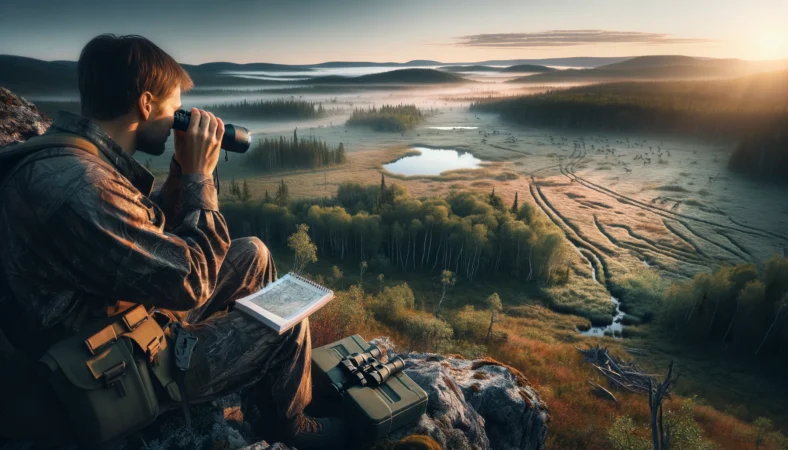
Early season scouting is a crucial component of hunting preparation, offering insights into animal behavior, habitat changes, and strategic advantage points. Whether you’re pursuing deer, turkey, or other game, understanding the lay of the land and the patterns of your quarry can significantly elevate your hunting success. This comprehensive guide explores the benefits and methodologies of early season scouting, providing you with the knowledge to scout effectively and ethically.
The Importance of Early Season Scouting
Scouting before the season starts gives hunters a significant advantage. It allows you to:
Identify Movement Patterns: Learn the daily routines of game animals, including feeding, bedding, and watering areas.
Find New Hotspots: Discover changes in the landscape that might attract or repel wildlife.
Prepare Strategically: Plan your approach routes, stand locations, and backup spots based on recent observations.
Scouting Techniques for the Informed Hunter
Boots-on-the-Ground Exploration
Physically walking the area you plan to hunt is invaluable. Look for:
Fresh Signs: Tracks, droppings, and feeding areas can reveal animal presence and habits.
Bedding and Resting Spots: Identifying these can help you predict where animals might be during different times of the day.
Natural Food Sources: Knowing what’s on the menu for your game can help you pinpoint high-traffic areas.
Utilizing Technology
Modern technology has transformed scouting, making it easier to cover more ground with greater detail:
Trail Cameras: Strategically placed cameras can monitor animal activity 24/7, providing insights into movement patterns and times.
Satellite Imagery: Use apps and online resources to view your hunting area from above, identifying potential hotspots and access routes.
Topographic Maps: Understanding the terrain can help you locate natural funnels, barriers, and advantageous vantage points.
Glassing and Observation
Using binoculars or spotting scopes from a distance can reveal animal behaviors without disturbing them. Look for:
Feeding and Social Behavior: Observing from afar can provide clues to animal preferences and peak activity times.
Interactions With the Environment: Notice how animals react to different parts of the terrain and each other.
Ethical Considerations in Scouting
Responsible scouting respects the animals and their habitat:
Minimize Disturbance: Keep your presence as unobtrusive as possible to avoid altering natural behaviors.
Respect Property Boundaries: Always have permission to scout on private land, and be mindful of regulations on public land.
Leave No Trace: Ensure that your scouting activities do not damage the environment or leave behind waste.
Strategies for Effective Scouting
Start Early: Give yourself plenty of time before the season starts to observe and adapt to any findings.
Keep a Journal: Record your observations, including animal sightings, weather conditions, and notable changes in the environment.
Be Patient: Wildlife patterns can take time to emerge. Repeated observations can reveal the most accurate information.
Maximizing Your Scouting Efforts
Understanding Weather and Seasonal Patterns
Weather Influence: Game animals’ behaviors can dramatically change with the weather. For instance, deer movement increases before a storm, making pre-storm periods ideal for scouting. Understanding these patterns can help you predict when and where animals are most likely to be active.
Seasonal Adjustments: Be aware of how animal behaviors shift with the seasons. For example, the availability of water sources can greatly influence animal movement patterns during dry summer months compared to the wet season.
Networking with Local Hunters and Landowners
Community Insight: Local hunters and landowners can provide invaluable insights into animal movements, historical patterns, and even subtle changes in the landscape that might affect game behavior. Building a network of local contacts can augment your scouting data with firsthand experiences and observations.
Shared Observations: Engaging in community platforms, online forums, or local hunting clubs can lead to shared scouting efforts, reducing the workload and increasing the collective knowledge of the hunting grounds.
Scouting for Sign, Not Just Sightings
Reading the Landscape: Beyond looking for animals, scouting should involve reading signs like rubs, scrapes, nests, and tracks. These indicators can tell you not just where animals have been, but also suggest their regular pathways, feeding habits, and even the timing of their activities.
Habitat Changes: Natural events such as floods, wildfires, or human activities like logging and farming can alter habitats, affecting animal behavior. Early season scouting should include identifying these changes and assessing their impact on game movement and availability.
Advanced Scouting Techniques
Night Scouting: Using night-vision equipment or thermal imaging can offer a glimpse into the nocturnal activities of game animals, providing a fuller picture of their behavior and patterns.
Aerial Drones: Where legal, drones can offer a unique perspective of the hunting area, revealing hard-to-access spots, water sources, and potential bedding areas that might not be visible from the ground or through satellite imagery.
Adapting Scouting to Specific Game
Species-Specific Strategies: Tailor your scouting approach to the specific habits of the game you’re pursuing. For example, turkey scouting might focus more on roosting sites and strutting zones, while deer scouting emphasizes trails, feeding areas, and scrape lines.
Behavioral Cues: Pay attention to the alarm calls, mating calls, and other vocalizations of your target species. These sounds can provide clues to animal locations and states of alertness, which could influence your hunting strategy.
Conclusion
Early season scouting is more than just a preparatory step; it’s a commitment to understanding and respecting the natural world that provides us with the opportunity to hunt. By employing thoughtful scouting techniques, you can enhance your hunting experience, increase your success rate, and ensure a more ethical interaction with the environment and its inhabitants.
Frequently Asked Questions
1. How early should I start scouting?
Start scouting several weeks to a month before the season opens to gather ample information and observe any changes as the season approaches.
2. Can I scout too much?
While frequent scouting is beneficial, be cautious not to over-disturb the area. Use a mix of physical scouting and remote techniques like trail cameras to minimize your impact.
3. How do I avoid spooking animals during scouting?
Move quietly, use natural cover, and avoid visiting the same area too frequently. Utilizing scent control measures can also help reduce your presence.
4. Is it worth scouting public land?
Absolutely. Public lands can offer excellent hunting opportunities. Early and thorough scouting can give you an edge over other hunters unfamiliar with the terrain and animal patterns.
5. How do trail cameras aid in scouting?
Trail cameras can monitor wildlife activity around the clock, providing insights into animal numbers, movement times, and behaviors that might not be observable during limited scouting trips.
Shed hunting, the practice of searching for antlers that have naturally fallen from deer, elk, and other antlered animals, has grown in popularity among outdoor enthusiasts, wildlife photographers, and hunters alike. While this activity can be a rewarding way to connect with nature and scout for future hunting seasons, it also raises important ethical considerations. This guide explores the ethics of shed hunting, offering insights into how enthusiasts can enjoy this pursuit responsibly.
Understanding the Impact on Wildlife
Minimizing Disturbance
Wildlife, especially in late winter and early spring when sheds are typically collected, may be in a vulnerable state, conserving energy to survive the cold months. Shed hunters must be mindful of their presence in the wilderness to avoid causing undue stress to animals.
Habitat Preservation
The ecosystems that support antlered game are delicate. Shed hunters should stick to established trails and avoid trampling vegetation or disturbing nesting areas to ensure these habitats remain intact for future generations.
Respecting Private Property and Regulations
Securing Permissions
Always obtain permission before entering private land. Respecting landowner rights is a fundamental aspect of ethical shed hunting.
Adhering to Laws and Seasons
Familiarize yourself with local regulations regarding shed hunting. Some areas may have specific seasons or restrictions to protect wildlife during vulnerable periods.
Promoting Conservation and Education
Contribution to Science
Collecting sheds can contribute to wildlife management and research efforts if done in coordination with local wildlife agencies. Reporting findings and participating in community science projects can aid in the study of animal health and population trends.
Educational Opportunities
Shed hunting offers a unique opportunity to learn about the life cycles of antlered animals, their habits, and their habitats. Sharing this knowledge, especially with young enthusiasts, fosters a deeper appreciation for wildlife and the importance of conservation.
Ethical Considerations in the Field
Leave No Trace
Adopting a “leave no trace” ethic ensures that your shed hunting activities do not negatively impact the environment. Pack out all trash, minimize your footprint, and leave sheds that are not legally collectible where you found them.
Use of Technology and Tools
While technology, such as drones, can make shed hunting easier, consider the fair chase ethics. Using such tools may give shed hunters an undue advantage and can potentially stress wildlife. Use technology judiciously and within the bounds of regulations.
Sharing the Bounty
In areas where shed hunting is highly competitive, consider the impact of collecting large quantities of sheds. Sharing discoveries and leaving some sheds for others can help maintain a balance and ensure that many people have the opportunity to enjoy shed hunting.
Balancing Ecosystem Health with Recreational Activity
Understanding Ecological Sensitivity
Recognize the ecological sensitivity of the areas you explore. Late winter and early spring are times when the flora and fauna are most vulnerable. Treading lightly and causing minimal disturbance helps preserve the natural balance.
Avoiding Prime Wildlife Areas During Critical Times
Wildlife may congregate in specific areas that provide shelter and food during the harsh winter months. While these spots may be tempting for shed hunters, it’s crucial to avoid them during critical periods to prevent stressing the animals.
Community Engagement and Ethical Advocacy
Promoting Ethical Shed Hunting Within the Community
Lead by example and advocate for ethical practices within the shed hunting community. Whether through social media, local clubs, or outdoor education programs, sharing knowledge and experiences can cultivate a culture of respect and conservation.
Volunteering for Habitat Improvement Projects
Participate in or organize habitat improvement projects that benefit the wildlife you enjoy observing. This can include planting native vegetation, removing invasive species, or participating in trash clean-up efforts in wildlife areas.
The Role of Technology in Ethical Shed Hunting
Ethical Use of Drones and Other Devices
While drones can cover large areas quickly, their use can be controversial and may disturb wildlife. If you choose to use technology, do so in a way that minimizes the impact on animals and adheres to local regulations.
Data Sharing for Conservation Efforts
Use technology to contribute to conservation science. Sharing GPS data on shed locations with wildlife researchers can provide valuable information on animal movements and habitat use without disclosing specifics to the general public.
Personal Growth and Connection to Nature
Fostering a Deep Appreciation for the Wilderness
Shed hunting offers a unique opportunity to connect with the natural world. Let these experiences deepen your appreciation for the wilderness and its inhabitants, fostering a lifelong commitment to conservation.
Reflective Practice: Balancing Goals with Conservation
Regularly reflect on your practices and their impacts. Consider how your actions align with broader conservation goals, and be willing to adjust your approach for the greater good of the ecosystem.
Balancing Ecosystem Health with Recreational Activity
Understanding Ecological Sensitivity
Recognize the ecological sensitivity of the areas you explore. Late winter and early spring are times when the flora and fauna are most vulnerable. Treading lightly and causing minimal disturbance helps preserve the natural balance.
Avoiding Prime Wildlife Areas During Critical Times
Wildlife may congregate in specific areas that provide shelter and food during the harsh winter months. While these spots may be tempting for shed hunters, it’s crucial to avoid them during critical periods to prevent stressing the animals.
Community Engagement and Ethical Advocacy
Promoting Ethical Shed Hunting Within the Community
Lead by example and advocate for ethical practices within the shed hunting community. Whether through social media, local clubs, or outdoor education programs, sharing knowledge and experiences can cultivate a culture of respect and conservation.
Volunteering for Habitat Improvement Projects
Participate in or organize habitat improvement projects that benefit the wildlife you enjoy observing. This can include planting native vegetation, removing invasive species, or participating in trash clean-up efforts in wildlife areas.
The Role of Technology in Ethical Shed Hunting
Ethical Use of Drones and Other Devices
While drones can cover large areas quickly, their use can be controversial and may disturb wildlife. If you choose to use technology, do so in a way that minimizes the impact on animals and adheres to local regulations.
Data Sharing for Conservation Efforts
Use technology to contribute to conservation science. Sharing GPS data on shed locations with wildlife researchers can provide valuable information on animal movements and habitat use without disclosing specifics to the general public.
Personal Growth and Connection to Nature
Fostering a Deep Appreciation for the Wilderness
Shed hunting offers a unique opportunity to connect with the natural world. Let these experiences deepen your appreciation for the wilderness and its inhabitants, fostering a lifelong commitment to conservation.
Reflective Practice: Balancing Goals with Conservation
Regularly reflect on your practices and their impacts. Consider how your actions align with broader conservation goals, and be willing to adjust your approach for the greater good of the ecosystem.
Conclusion
Shed hunting, when practiced ethically, can be a sustainable outdoor activity that encourages wildlife appreciation and conservation. By understanding the impact on wildlife, respecting private property and regulations, and promoting conservation, shed hunters can ensure this activity remains a rewarding pursuit for all involved. As the community grows, so does the responsibility to uphold these ethical standards, safeguarding the tradition for future generations.
Frequently Asked Questions (FAQs)
1. Is shed hunting harmful to wildlife?
When practiced responsibly and ethically, shed hunting has minimal impact on wildlife. However, causing stress to animals by approaching too closely or disturbing their habitat can be harmful.
2. Can I sell the antlers I find?
Laws regarding the sale of found antlers vary by region. Check local regulations before selling any sheds you collect.
3. How can I find out about shed hunting regulations in my area?
Consult your local wildlife agency or conservation department’s website for the most current regulations and guidelines on shed hunting.
4. What’s the best time to go shed hunting?
The best time varies by region but typically is late winter to early spring, after antlered animals have shed their antlers but before the full onset of spring vegetation.
5. How can shed hunting contribute to conservation?
Shed hunting can contribute to conservation through the ethical practice of the activity, participation in scientific research, and by using sheds to educate others about wildlife and habitat conservation.
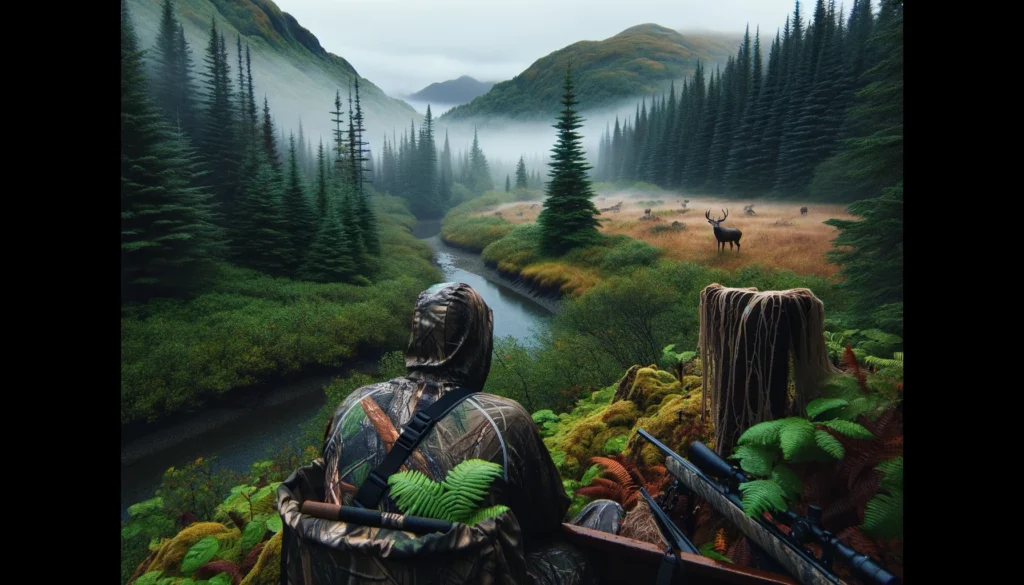
Hunting during the rut in Southeast Alaska offers an unparalleled adventure set against the backdrop of the region’s majestic forests and rugged terrain. The rut, or mating season, for deer and other game, presents unique challenges and opportunities for hunters. This guide delves into essential tips and strategies to help you navigate the complexities of rut hunting in this wild and wet climate, ensuring a rewarding experience in one of North America’s last frontiers.
Understanding the Rut in Southeast Alaska
Timing the Rut
The rut typically occurs in late October through November. This period is characterized by increased deer activity as bucks are on the move, searching for does and defending their territories.
Behavioral Patterns
Bucks become less cautious and more aggressive during the rut, making them somewhat easier to spot. They frequently use rubs and scrapes to mark territory and attract does, which can be key indicators for hunters.
Preparation and Gear
Weather-Ready Gear
Expect rain and prepare accordingly with waterproof clothing, boots, and gear bags. Moisture-wicking layers are essential to stay dry and warm.
Navigation Tools
The dense forests and rugged terrain of Southeast Alaska necessitate reliable navigation tools. A GPS device, topographic maps, and a compass are must-haves.
Firearm and Ammunition
Choose a rifle or bow that you are comfortable with and is suitable for the terrain and the game. Waterproof cases and fast-drying oil can help protect your equipment from the damp environment.
Hunting Strategies
Spot and Stalk
Utilize the increased visibility provided by the rutting activity to spot and stalk bucks. Move quietly and keep downwind to avoid detection.
Calling and Rattling
Rut-specific calls and antler rattling can be effective in drawing out aggressive bucks. However, use these techniques sparingly to avoid spooking the animals.
Utilizing Rubs and Scrapes
Identify active rubs and scrapes as these are hotspots for buck activity. Setting up downwind from these signposts can be an effective strategy to intercept a buck.
Safety and Ethics
Bear Awareness
Southeast Alaska is bear country. Carry bear spray, know how to store your game properly, and be aware of your surroundings at all times.
Respect for the Land and Wildlife
Practice ethical hunting by taking clean shots and respecting local regulations. Understand the importance of conservation and the role hunters play in maintaining healthy wildlife populations.
Advanced Tactics for the Rut Season
Understanding Deer Sign Language
Interpreting Rubs and Scrapes: Learning to read the subtle differences in deer rubs and scrapes can provide insights into the size, health, and dominance of bucks in the area. Larger rubs often indicate more mature bucks. Frequent visits to these sites can also hint at peak rut activity.
Decoy Deployment
Strategic Use of Decoys: Incorporating a deer decoy near active scrapes or in visible clearings can entice bucks looking for does or rivals. Position the decoy in a manner that presents an inviting target to bucks approaching your location, ideally with the wind funneling their scent away from the decoy and towards you.
Environmental Adaptation
Maximizing Visibility in Dense Terrain
Elevated Stands: In Southeast Alaska’s thick forests, elevated stands can provide a broader view and increase your chances of spotting deer. Ensure your stand is securely attached and offers a clear line of sight to key areas like trails, rubs, and scrapes.
Waterway Approaches
Using Rivers and Streams: Waterways can serve as natural movement corridors for deer. Quietly navigating a kayak or canoe along these routes during early morning or late hours can lead to encounters with bucks using these waterways to travel between feeding and bedding areas.
Camouflage and Concealment
Blending with the Environment
Adaptive Camouflage: Beyond wearing the right patterns, consider using local vegetation to further disguise your presence. Attaching branches or leaves to your clothing or stand can help you blend into the surrounding environment more effectively.
Movement Minimization
Strategic Stillness: Deer, especially during the rut, are on high alert. Limiting unnecessary movements and noise can prevent spooking deer that venture close to your position. Plan your shots and movements carefully to maintain the element of surprise.
Mental and Physical Preparation
Endurance Training
Conditioning for the Hunt: The rugged terrain and unpredictable weather of Southeast Alaska demand good physical condition. Engage in endurance training and hikes with gear prior to your trip to ensure you’re prepared for the physical challenges of hunting in this region.
Mental Resilience
Cultivating Patience: Successful rut hunting often involves long periods of waiting in less than ideal weather conditions. Mental preparation and resilience are key to maintaining focus and making the most of opportunities when they arise.
Local Knowledge and Expertise
Leveraging Guides and Outfitters
Guided Hunts: For hunters unfamiliar with Southeast Alaska, hiring a local guide or outfitter can provide invaluable insights into deer behavior, hunting spots, and navigation through the challenging terrain. Local expertise can significantly enhance your hunting success and safety.
By integrating these advanced tactics and considerations into your hunting strategy, you’ll be well-equipped to navigate the challenges and embrace the opportunities presented by rut hunting in Southeast Alaska. Each element, from understanding deer sign language to optimizing your physical and mental preparation, plays a crucial role in crafting a memorable and successful hunting experience in the breathtaking wilderness of the Last Frontier.
Conclusion
Rut hunting in Southeast Alaska is an adventure that tests your skills, patience, and resilience. By understanding the unique behaviors associated with the rut, preparing for the wet and wild conditions, and employing thoughtful strategies, you can increase your chances of a successful hunt. Embrace the challenges and immerse yourself in the incredible natural beauty and wildlife of Southeast Alaska.
Frequently Asked Questions (FAQs)
1. What’s the best way to dry out gear in Southeast Alaska’s wet climate?
Air drying is essential. Use covered areas or heated spaces when available. Portable boot dryers can be a game-changer for wet footwear.
2. How do I maintain my firearm in a wet environment?
Regularly clean and oil your firearm with water-displacing lubricant. Keep it in a waterproof case when not in use to protect against moisture.
3. Can I hunt both deer and bear during the rut in Southeast Alaska?
Yes, but be sure to check the specific season dates and regulations for each species. Always carry the necessary tags and licenses for the game you’re hunting.
4. What’s the most effective way to stay warm while hunting in the cold, wet conditions?
Layering is key. Start with a moisture-wicking base layer, add insulating layers, and top with a waterproof, breathable outer layer. Keep extra clothing on hand to swap out wet garments.
5. How do I navigate the dense forests of Southeast Alaska?
Use a GPS device in conjunction with traditional navigation tools like a map and compass. Familiarize yourself with the area during daylight, and always let someone know your planned route and return time.
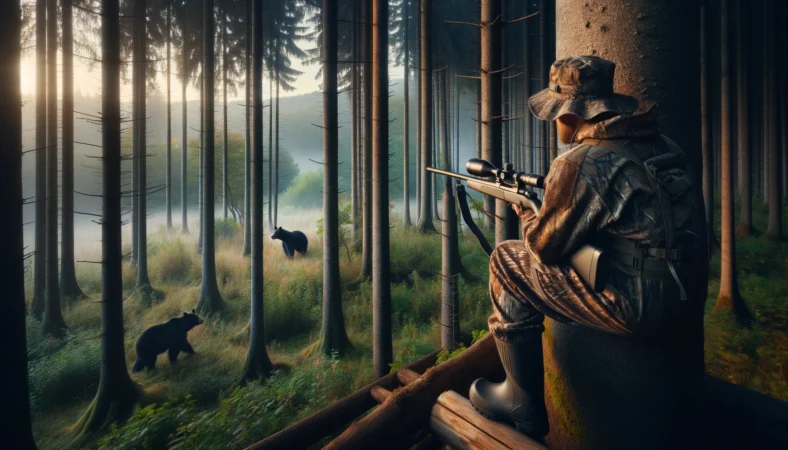
Hunting black bears is an exhilarating experience that requires skill, patience, and respect for these magnificent creatures and their habitat. As one of North America’s most sought-after game animals, black bears offer a unique challenge to hunters, thanks to their keen senses and adaptability. This comprehensive guide will walk you through the essentials of successful black bear hunting, from understanding bear behavior to selecting the right gear and employing effective hunting strategies.
Black bears are omnivores with diets that change seasonally. In spring and early summer, they often feed on vegetation, whereas, in the fall, they focus on high-calorie foods like nuts and berries to prepare for hibernation. Identifying active feeding areas can significantly increase your chances of encountering a bear.
Signs of Presence
Learn to recognize signs of bear activity, including tracks, droppings, bedding sites, and feeding remains. Rub trees, where bears scratch their backs, leaving fur and scent marks, are also key indicators of bear territory.
Preparation and Gear
Choosing the Right Weapon
Select a weapon that you are comfortable with and is capable of ensuring a humane kill. Options include high-powered rifles, shotguns with slugs, and, for the skilled archer, compound bows. Regardless of choice, proficiency and accuracy are paramount.
Scouting and Trail Cameras
Invest time in scouting your hunting area well before the season begins. Trail cameras can be invaluable tools for monitoring bear activity, helping you pattern their movements and pinpoint prime locations for stands or blinds.
Safety Gear
Bear hunting comes with its risks. Always carry bear spray, a first-aid kit, and ensure all hunting companions are aware of safety protocols. Consider wearing blaze orange during rifle seasons to increase visibility to other hunters.
Hunting Strategies
Spot and Stalk
This method involves spotting a bear from a distance and then carefully stalking it to get within shooting range. It requires excellent stealth, wind direction awareness, and the ability to move quietly through rough terrain.
Baiting
Where legal, baiting can be an effective way to attract bears. Set up bait stations well in advance of your hunt and maintain them regularly. When hunting over bait, patience and shot selection are key.
Using Calls
Bear calls that mimic the sounds of a distressed animal can be effective, especially in the spring when bears are looking for mates or in the fall when they are aggressively feeding.
Ethical Considerations and Conservation
Respect for the Animal
Always strive for a clean, ethical shot that ensures a quick and humane kill. Be prepared to track and recover any animal you shoot, minimizing suffering.
Conservation and Management
Understand and adhere to local regulations regarding bear hunting, including tag allocations and legal hunting methods. Participate in conservation efforts to support healthy bear populations and their habitats.
Advanced Hunting Techniques
Calling and Decoy Use
Distress Calls: Utilizing fawn or rabbit distress calls can pique a bear’s curiosity or hunger, drawing them out into the open.
Decoy Strategies: Pairing calls with decoys can enhance the illusion of an easy meal, making bears more likely to approach your position.
Hunting During the Rut
Understanding Bear Behavior: During the breeding season, usually late spring to early summer, male bears roam extensively in search of mates, making them more susceptible to calls.
Tactics: Increase your use of calls and consider hunting near known breeding areas to increase encounters with mature males.
Field Dressing and Meat Care
Immediate Action:
Field Dressing: Learn the proper techniques to field dress a bear promptly after the kill to prevent spoilage and ensure the quality of the meat.
Cooling the Meat: Bears have thick fur and fat layers that insulate heat; getting the meat cooled as quickly as possible is crucial.
Transport and Processing
Transport: Plan how you will transport the bear from the kill site to your vehicle and ultimately to a processing location.
Butchering: Whether you process the bear yourself or use a professional, proper butchering techniques are essential for maximizing meat yield and quality.
Trophy and Hide Care
Preservation:
Skinning: If you intend to keep the hide or mount the bear, skin it carefully, preserving as much of the hide as possible.
Hide Care: Salt the hide or cool it immediately to prevent hair loss and decomposition until it can be properly tanned or mounted.
Skull Preparation
Cleaning: Clean the skull as soon as possible to prepare it for mounting or for submission to record books, if applicable.
European Mount: Consider a European mount for an aesthetically pleasing and conservation-friendly trophy display.
Legal and Ethical Considerations
Regulation Compliance
Stay Informed: Regulations can change annually. Stay up to date with local wildlife management guidelines, tag allocations, and legal hunting methods.
Hunting Ethics
Fair Chase: Adhere to the principles of fair chase, respecting the bear’s nature and ensuring that the hunt is conducted in a manner that is honorable and challenging.
Contribution to Bear Conservation
Supporting Habitat Preservation
Actively Participate: Engage in or support efforts that protect and restore bear habitats, ensuring sustainable populations for future generations.
Educating Others
Spread Knowledge: Share your experiences and knowledge about bear conservation and ethical hunting practices with fellow hunters and the public.
Conclusion
Hunting black bears is a privilege that brings hunters closer to the natural world, offering a challenging yet rewarding experience. By respecting the animal and the environment, preparing thoroughly, and employing strategic hunting methods, hunters can enjoy the thrill of the hunt while contributing to the conservation of this iconic species.
In the world of bowhunting, where precision meets patience, a hunter’s greatest adversary often lies within. Target panic, a psychological hurdle faced by many archers, can disrupt even the most seasoned hunter’s shot execution. This comprehensive guide explores the nature of target panic and provides strategies for overcoming it, ensuring your arrows find their mark with unwavering accuracy.
Understanding Target Panic
Defining the Phenomenon
Target panic is a complex condition characterized by an involuntary response to the act of aiming and releasing an arrow. Symptoms may include rushing the shot, freezing upon target acquisition, or an inability to release the arrow altogether.
Psychological Roots
At its core, target panic stems from the pressure of performance and the fear of failure. It’s a manifestation of anxiety that disrupts the hunter’s focus and muscle memory, cultivated through practice.
Strategies for Overcoming Target Panic
Acknowledgment and Acceptance
First Step to Recovery: Recognizing and admitting to experiencing target panic is crucial. Acceptance paves the way for a constructive approach to overcoming the challenge.
Back to Basics
Form and Technique: Revisit the fundamentals of shooting form and technique. Ensuring a solid foundation can often alleviate the symptoms of target panic by reinforcing confidence in the mechanics of shooting.
Mental Reconditioning
Visualization: Practice visualizing successful shots, focusing on the process rather than the outcome. This mental exercise can help rewire your response to aiming and releasing.
Mindfulness and Relaxation: Techniques such as deep breathing, meditation, and progressive muscle relaxation can reduce anxiety and improve focus during shooting.
Training Aids and Drills
Blank Bale Shooting: Practice shooting at a blank target (a bale of hay or a target without a bulls-eye) to focus purely on form and release without the pressure of accuracy.
Release Aids: For compound bowhunters, experimenting with different release aids can help. A hinge or resistance release aid requires a different execution method that can disrupt the panic cycle.
Slow Motion Training: Execute your shot process in slow motion, focusing on each step. This drill enhances awareness of each phase of the shot, from nocking the arrow to follow-through.
Mastering Shot Execution
Pre-Shot Routine
Develop a consistent pre-shot routine. This ritual before each shot can help calm the mind, ensuring focus and consistency. It should include stance, grip, draw, anchor, aim, and breath control.
Focus on the Process, Not the Outcome
Concentrate on executing a flawless shot rather than the fear of missing the target. Trust in your training and let muscle memory guide your actions.
Continuous Practice
Practice under various conditions and distances. Exposure to different scenarios can build confidence and adaptability, reducing anxiety during actual hunts.
Enhancing Focus and Concentration
Target Visualization Techniques
Mental Imagery: Practice visualizing the perfect shot in your mind’s eye, from draw to release, focusing on the feel of each step rather than the visual outcome. This technique enhances muscle memory and builds confidence in your ability to execute the shot subconsciously.
Concentration Exercises
Single-Point Focus: Train your mind to focus on a single point or aspect of your routine to prevent overwhelming thoughts. This could be the sensation of the grip, the tension of the draw, or the rhythm of your breathing.
Adjusting Practice Routines
Incremental Distance Shooting
Progressive Distances: Start practicing at very close ranges where hitting the target is almost guaranteed. Gradually increase the distance as your confidence and accuracy improve, helping to rebuild trust in your shooting ability without overwhelming anxiety.
Pressure Simulation
Mock Hunting Scenarios: Simulate hunting pressure in safe environments by setting personal challenges or competing with friends. This can help acclimate you to the feelings experienced during an actual hunt, making them more manageable.
Equipment Check and Customization
Bow Tuning and Maintenance
Regular Check-ups: Ensure your bow is properly tuned and maintained. A well-functioning bow can boost confidence, while any inconsistency in performance might exacerbate target panic.
Personalization for Comfort
Custom Grips and Strings: Customize your bow with grips that fit your hand comfortably and strings that suit your draw length. Personalization can make the shooting process feel more natural and less strained.
Building a Support System
Joining Archery Communities
Seek Support and Advice: Engaging with local or online archery communities can provide support, advice, and encouragement from those who have faced similar challenges.
Professional Coaching
Expert Guidance: Consider hiring a coach who specializes in overcoming target panic. Expert guidance can offer personalized strategies and feedback that hasten improvement.
Embracing a Holistic Approach
Physical Wellness
Regular Exercise: Physical fitness can improve your overall shooting stance and endurance, reducing the physical stress that can contribute to target panic.
Nutrition and Hydration
Balanced Diet: A balanced diet and proper hydration can affect your energy levels, concentration, and stress management, indirectly impacting your performance.
Adequate Rest
Quality Sleep: Ensure you’re getting enough rest. Fatigue can impair focus and amplify anxiety, hindering your ability to remain calm and collected during shooting.
By integrating these additional practices and approaches into your routine, you not only work towards overcoming target panic but also towards enhancing your overall performance and enjoyment of bowhunting. These strategies, combined with persistence and patience, pave the way for a fulfilling and successful hunting experience.
Now, let’s proceed to the conclusion.
Conclusion
Overcoming target panic is a journey of mental fortitude and dedication. By acknowledging the challenge, revisiting the basics, employing mental reconditioning strategies, and focusing on shot execution, hunters can regain control over their shots. Remember, the path to mastery is paved with patience and perseverance. Embrace the process, and let every arrow released be a testament to your resilience and commitment to the art of bowhunting.
Frequently Asked Questions (FAQs)
1. How common is target panic among bowhunters?
Target panic is quite common, affecting archers and bowhunters at all levels of experience. It’s a natural response to the pressures of precision and performance.
2. Can target panic be completely cured?
While target panic can be a persistent challenge, many hunters successfully manage or significantly reduce its impact through consistent practice, mental conditioning, and sometimes, coaching.
3. Is switching to a different type of bow helpful?
Changing equipment can offer a temporary respite but addressing the underlying psychological aspects is crucial for a long-term solution.
4. How long does it take to overcome target panic?
The time varies widely among individuals, depending on the severity of the condition, the strategies employed, and the consistency of practice. Patience and persistence are key.
5. Can target panic reoccur after it has been overcome?
Yes, target panic can reoccur, especially during periods of high stress or after a break from shooting. Continuous practice and mental conditioning can help keep it at bay.
Embrace these strategies and embark on your journey to overcome target panic, transforming it from a hindrance into a milestone of your bowhunting prowess.
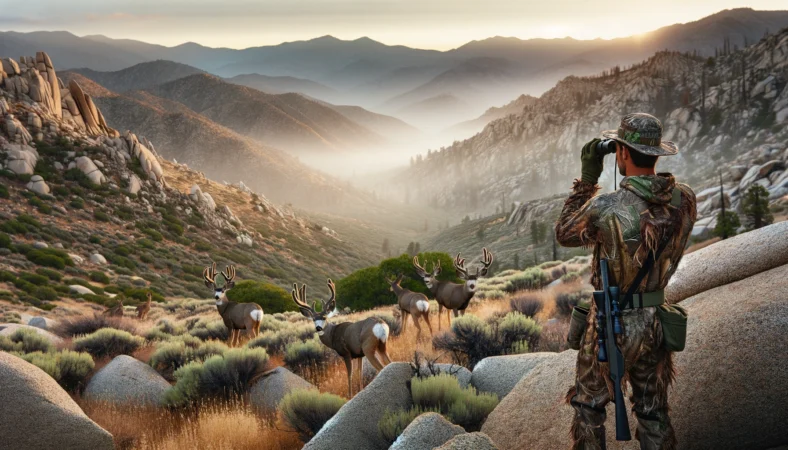
Embarking on the journey to become a mule deer fanatic is to embrace the challenge of pursuing one of North America’s most majestic and elusive game animals. Mule deer, with their distinctive large ears and bounding gate, inhabit some of the continent’s most breathtaking landscapes. This guide is designed to equip you with the knowledge, skills, and respect for nature needed to pursue these remarkable creatures effectively.
Chapter 1: Understanding Mule Deer
Biology and Behavior
Mule deer are highly adaptable creatures, with habitats ranging from the dense forests and mountainous regions of the West to the arid deserts of the Southwest. Understanding their biology and behavior is crucial for any hunter. This includes recognizing the differences between subspecies, such as the Rocky Mountain mule deer and the desert mule deer, and adapting your strategies accordingly.
Seasonal Movements
Mule deer are known for their seasonal migrations, moving from high-altitude summer ranges to lower elevations in the winter. These migrations can cover significant distances, and understanding these patterns is key to locating them throughout the year.
Chapter 2: Gear and Preparation
Optics
Quality optics are essential for spotting mule deer in vast, open landscapes. A durable, high-power binocular and spotting scope can help identify animals from afar, reducing unnecessary stalking and increasing your chances of a successful hunt.
Camouflage and Scent Control
Mule deer have keen senses. Investing in quality camouflage that matches the terrain and practicing strict scent control can give you the edge you need to approach undetected.
The Right Weapon
Whether you prefer a rifle, bow, or muzzleloader, selecting the right weapon for your hunt and mastering its use is paramount. Consider the typical ranges you’ll be shooting, the terrain, and the time of year when making your choice.
Chapter 3: Hunting Tactics
Spot and Stalk
The vast habitats mule deer occupy often lend themselves well to spot-and-stalk hunting. This method requires patience, stealth, and a deep understanding of the deer’s behavior and the terrain.
Ambush Hunting
Setting up ambushes along known travel corridors or near food sources can also be highly effective, especially during the rut when mule deer are more predictable.
Calling and Decoying
While not as commonly used as in whitetail hunting, strategic use of calls and decoys can sometimes lure in a curious or territorial buck.
Advanced Field Skills for Mule Deer Hunting
Understanding Weather Patterns
Weather’s Influence: Mule deer behavior can change dramatically with the weather. Before and after storm systems, mule deer are often more active, making these prime times to hunt.
Temperature Effects: Cooler temperatures typically increase daytime activity, especially during the early hours and just before sunset.
Elevation Tactics
High Ground Advantage: Utilize high vantage points for glassing. Elevation allows for a broader view to spot mule deer moving or feeding in the distance.
Acclimatization: When hunting at high altitudes, give yourself time to acclimatize to prevent altitude sickness, which can affect your physical ability and alertness.
Water Sources as Focal Points
Dry Climate Strategy: In arid regions, water sources can be hotspots for mule deer activity, especially in early morning and late afternoon. Setting up a quiet, concealed position downwind from a water source can be effective.
Mule Deer Conservation and Ethics
Habitat Preservation: Engage in or support conservation efforts aimed at preserving mule deer habitat. This includes participating in local wildlife management programs and advocating for the protection of migration corridors.
Ethical Harvesting: Commit to ethical hunting practices, aiming for clean, quick kills. This respects the animal and ensures suffering is minimized. Know your weapon’s effective range and practice regularly to maintain accuracy.
Post-Harvest Responsibilities:
Field Dressing: Quickly and efficiently field-dressing the deer is crucial for preserving the meat. Understanding how to properly process the animal in the field is a key skill.
Leave No Trace: Practice “leave no trace” principles by packing out all waste, including spent cartridges or trash, to maintain the natural beauty and integrity of the hunting area.
Community Engagement and Education
Mentorship: Share your knowledge and passion with new hunters. Mentorship is vital for passing on ethical hunting traditions and skills to the next generation.
Continuous Learning: Stay informed about mule deer research, hunting regulations, and conservation issues. Attend workshops, join hunting and conservation groups, and participate in forums to deepen your understanding and contribute to the community.
Physical and Mental Preparation
Physical Fitness:Mule deer hunting often involves traversing difficult terrain and long stalks. Regular physical conditioning, including cardio and strength training, will improve your endurance and ability in the field.
Mental Resilience: Patience and persistence are crucial. Develop mental toughness to cope with challenging conditions, long waits, and, at times, unsuccessful hunts. Viewing each experience as a learning opportunity fosters growth and resilience.
By incorporating these advanced strategies and ethical considerations into your mule deer hunting practice, you not only enhance your success in the field but also contribute to the conservation of these magnificent animals and their habitats. Hunting is not just about the pursuit but also about understanding and respecting the natural world, ensuring that mule deer and other wildlife populations thrive for generations to come.
Conclusion
Becoming a mule deer fanatic is a journey that demands dedication, respect for the animal, and an unending desire to learn and adapt. It’s a pursuit that challenges both the body and the mind, offering unparalleled rewards in the beauty of the hunt and the majesty of the mule deer.
Frequently asked questions
1. How can I distinguish between mule deer and other deer species from a distance?
Answer: Mule deer are characterized by their large, mule-like ears, which can be as much as three times longer than a white-tailed deer’s ears. They also have a different tail appearance, with a white underside and a black tip. Additionally, their bounding leap, known as “stotting,” where all four feet push off and land on the ground simultaneously, is distinctive.
2. What’s the best way to practice shooting for mule deer hunting?
Answer: The best practice combines shooting at static targets for accuracy and moving targets to simulate real hunting scenarios. Incorporate various shooting positions and distances, especially those you expect to encounter in the field. Utilize 3D archery ranges for bowhunters or sporting clay courses for rifle shooters to enhance your skills under more dynamic conditions.
3. Is camouflage necessary for hunting mule deer, given their strong reliance on hearing and smell?
Answer: Yes, while mule deer do rely heavily on their hearing and smell, their vision is also acute, especially in detecting movement. Effective camouflage helps break up your outline and blend in with the surrounding environment, making you less noticeable, especially when you need to make slight movements to take a shot.
4. Can I hunt mule deer without a guide in unfamiliar territory?
Answer: While it’s possible to hunt mule deer without a guide, doing thorough research and preparation is crucial, especially in unfamiliar territory. Study maps, understand local regulations, and possibly scout the area ahead of time. However, a guide can offer invaluable local knowledge, increase your chances of success, and provide safety in remote or rugged areas.
Answer: The key to obtain permission to hunt on private land is to ask respectfully and well in advance of the hunting season. Contact the landowner or manager, express your interest in ethical hunting, and offer to share the game or help with land management tasks in return. Building a positive relationship based on trust and respect is crucial. Always follow through on any agreements made and express your appreciation for any access granted.
When the morning air is cool and the woods wake up, every hunter knows it’s important to be ready. One very important thing for spending nights outside is having the best hunting sleeping bag.
Whether you’re sleeping in a thick forest or high up on a mountain, the right sleeping bag is not just for sleeping comfortably. It makes sure you’re warm and ready to go hunting when the sun comes up.
Hunting outside is an adventure. It can be exciting to follow tracks and see beautiful places. But if you don’t have good gear, especially a good sleeping bag, it might not be fun.
A great hunting sleeping bag is like your special protective bubble. It keeps you warm, protects you from the cold, and is your comfy spot after a day of looking for animals. But there are so many sleeping bags to choose from, how do you pick the best one?
In this guide, we’re going to tell you all about what makes a sleeping bag great for hunting. We’ll talk about how they keep you warm, how to make sure they’re right for the weather, how heavy they are, and where the zippers are.
We’ll go over all you need to know to pick the right one. We’ll share tips and advice from people who have hunted a lot to help you find a sleeping bag that makes your hunting trips even better.
1.Teton Sports Deer Hunter Sleeping Bag
Teton Sports Deer Hunter Sleeping Bag
The Teton Sports Deer Hunter Sleeping Bag is a really strong and cozy bag for people who love to explore the outdoors, even when it’s super cold.
This sleeping bag can keep you warm in temperatures as cold as 0°F (-18°C) because it’s made with special stuffing and has two layers to trap heat. It also has a special coating that keeps water out, making sure it lasts a long time and can handle rough outdoor adventures.
It’s made to be very comfortable, with a soft lining and a special hood that wraps around your head to keep you extra warm.
This sleeping bag is big, giving you lots of room to stretch out and get a good night’s sleep. It also has zippers that don’t get stuck, so you can easily get in and out, and you can even attach another sleeping bag to it if you want more space or are sharing with someone.
In short, the Teton Sports Deer Hunter Sleeping Bag is great for anyone who likes to camp or hunt in cold weather because it’s tough, keeps you warm, and is comfy to sleep in.
It’s a good buy because it’s well made and comfy, which means it’s worth the money for those who really care about staying warm and comfy when they’re outside.
2.Browning Camping McKinley -30 Degree Sleeping Bag
Browning Camping McKinley -30 Degree Sleeping Bag
The Browning Camping McKinley -30 Degree Sleeping Bag is a super warm sleeping bag made to keep you cozy in really, really cold weather like if it gets down to -30°F. It’s perfect for people who like camping or hunting in places where it gets super cold and staying warm is super important.
This sleeping bag is made really strong to last a long time. It has a tough outside that doesn’t let water in and can take a lot of outdoor adventure without getting messed up. Inside, it’s filled with a special material that keeps heat in, so you stay warm even if it’s freezing outside.
It’s also made to be really comfortable. There’s lots of room inside to move around so you can sleep well. It has a hood to keep your head warm, special tubes that stop cold air from sneaking in, and a zipper that goes both ways, making it easy to get in and out or let some air in if you get too warm.
So, if you’re someone who loves being outside even when it’s icy cold, the Browning Camping McKinley -30 Degree Sleeping Bag is a great choice. It’s made to keep you warm, last a long time, and make sure you’re comfortable, no matter how cold it gets outside.
3.Coleman Big Basin 15 Big and Tall Adult Sleeping Bag
Coleman Big Basin 15 Big and Tall Adult Sleeping Bag
The Coleman Big Basin 15 Big and Tall Adult Sleeping Bag is designed with the comfort and needs of larger-framed individuals in mind. It’s a spacious sleeping bag that caters to adults who need a bit more room to sleep comfortably, making it ideal for those who are taller or prefer more space.
Rated to keep you warm in temperatures as low as 15°F, this sleeping bag is suitable for three-season camping, ensuring warmth during cold nights without overheating in milder conditions.
It features a durable construction with a special attention to insulation, employing advanced materials to retain heat and ensure that campers stay cozy.
Key features include a thermolock draft tube to prevent heat loss through the zipper, an adjustable hood for extra warmth, and a unique ZipPlow system that prevents the zipper from snagging by plowing fabric away as you zip or unzip.
Its design also accommodates easy packing and storage, making it a convenient option for campers and hikers alike.
Overall, the Coleman Big Basin 15 Big and Tall Adult Sleeping Bag stands out for its generous dimensions, warmth, and thoughtful design elements tailored to ensure a comfortable and restful night’s sleep in the great outdoors.
Whether you’re camping in the backcountry or enjoying a leisurely weekend in a park, this sleeping bag is a reliable companion for those chilly nights.
The Alps OutdoorZ Redwood -25 Degree Sleeping Bag is a top-tier option for outdoor enthusiasts who demand warmth and durability in extremely cold conditions. Rated for temperatures down to -25°F, this sleeping bag is designed to keep you warm in some of the coldest environments imaginable.
Crafted with premium materials, the Redwood features a rugged, 100% cotton canvas outer shell that offers exceptional durability and resistance to wear and tear. Inside, it’s lined with a soft, cozy flannel fabric that enhances comfort and warmth, making it feel like you’re sleeping in a cozy bed, even when you’re miles away from home.
One of the standout features of the Alps OutdoorZ Redwood is its spacious interior, providing ample room for movement and a comfortable night’s sleep, even for larger individuals or those who prefer more space. The bag is also equipped with advanced insulation technology, ensuring that heat is trapped effectively and cold spots are minimized.
Additionally, the sleeping bag includes practical features such as a heavy-duty zipper for easy access and long-lasting performance.
The design and construction of the Redwood are focused on delivering a high-quality sleeping experience for campers and hunters facing the chilliest nights in the wilderness.
Overall, the Alps OutdoorZ Redwood -25 Degree Sleeping Bag is an excellent choice for anyone looking for a reliable, comfortable, and warm sleeping bag capable of handling extreme cold. Its blend of rugged durability, spacious comfort, and superior insulation makes it a standout product in its category, ideal for the most adventurous of outdoor expeditions.
The Kelty Cosmic 0 Degree Down Sleeping Bag is a high-performance sleeping bag designed for cold-weather camping and backpacking. It’s built to keep you warm and comfortable in temperatures as low as 0°F (-18°C), making it an excellent choice for winter adventures and high-altitude treks.
This sleeping bag features a durable and water-resistant outer shell to protect against moisture and wind, ensuring that the insulation remains effective even in damp conditions.
The insulation itself is comprised of high-quality down, known for its exceptional warmth-to-weight ratio, which makes the Kelty Cosmic both lightweight and highly compressible for easy packing.
A notable feature of the Kelty Cosmic is its draft collar and zipper draft tube, which help to seal in warmth by preventing cold air from entering the bag. Additionally, the bag is designed with a comfortable, spacious foot box and a thermal-comfort hood that further enhances warmth and comfort throughout the night.
The Kelty Cosmic 0 Degree Down Sleeping Bag also stands out for its versatility, offering features like a two-way zipper for easy ventilation and the ability to mate with another bag for shared sleeping arrangements.
With its focus on warmth, comfort, and portability, the Kelty Cosmic is a solid choice for outdoor enthusiasts who don’t let cold weather stop their adventures.
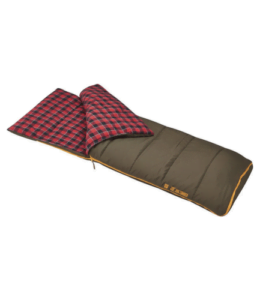
6.Slumberjack Country Squire 0 Degree Sleeping Bag
Slumberjack Country Squire 0 Degree Sleeping Bag
The Slumberjack Country Squire 0 Degree Sleeping Bag is a robust and spacious sleeping bag designed for campers and outdoor enthusiasts who need reliable warmth in cold conditions. Rated for temperatures down to 0°F (-18°C), this sleeping bag is suitable for winter camping and adventures in chilly environments.
One of the key features of the Country Squire is its durable construction. It’s built to last with a tough outer fabric that can withstand rough camping conditions and frequent use. Inside, the sleeping bag is lined with soft materials for added comfort, ensuring a cozy night’s sleep.
The Slumberjack Country Squire is known for its generous size, providing ample room for movement and a comfortable sleeping experience for people of all sizes. This spacious design is particularly appreciated by those who find traditional mummy-style sleeping bags too restrictive.
Additionally, this sleeping bag features a unique zip-out liner for easy cleaning, and it comes with a heavy-duty duffel bag for storage and transport. The sleeping bag also includes draft tubes along the zipper and a draft collar to prevent heat loss, enhancing its thermal efficiency.
Overall, the Slumberjack Country Squire 0 Degree Sleeping Bag is celebrated for its warmth, durability, and comfort. It’s an excellent choice for campers who prioritize space and robustness in their sleeping gear, making it ideal for cold-weather camping adventures.
The King’s Camo Hunter 0 Degree Sleeping Bag is a super warm and cozy sleeping bag made for people who love to hunt or spend time outdoors, even when it’s really cold. It keeps you warm in temperatures as low as 0°F, which means it’s perfect for using in late fall, winter, and early spring when it’s chilly outside.
This sleeping bag has a cool camouflage pattern that helps it blend in with nature, making it a great choice for hunters. It’s made with strong materials that can handle water and wear, so it’s tough enough for lots of outdoor adventures.
Inside the sleeping bag, there’s a special kind of filling that keeps you warm by trapping heat. It also has a special collar and tubes by the zipper that stop cold air from getting in, making sure you stay extra warm.
The King’s Camo Hunter Sleeping Bag is also really roomy inside, giving you plenty of space to move around and get comfortable for a good night’s sleep. It has a soft inside for extra coziness and a hood you can tighten when it’s really cold to keep your head warm.
In short, the King’s Camo Hunter 0 Degree Sleeping Bag is great for staying warm, comfy, and hidden in nature. It’s perfect for anyone who likes to camp or hunt in cold weather and wants a sleeping bag that’s tough, warm, and blends in with the outdoors.
8.Marmot Trestles 15 Cold-Weather Mummy Sleeping Bag
Marmot Trestles 15 Cold-Weather Mummy Sleeping Bag
The Marmot Trestles 15 Cold-Weather Mummy Sleeping Bag is a cozy sleeping bag that keeps you warm when it’s cold outside, perfect for camping or backpacking in the fall, winter, and spring.
It’s good for keeping you warm in temperatures as low as 15°F, which means it can keep you comfy during most of the year, except for the very coldest times.
This sleeping bag is shaped like a mummy, which means it fits close to your body to keep you extra warm but still gives you enough space to move around. It has special stuffing that stays warm even if it gets wet, making it great for places where it might be rainy or very damp.
It also has cool features to make it even more comfortable, like zippers on both sides so you can easily get in and out, a special tube that stops cold air from sneaking in, and a hood you can tighten to keep your head warm. There’s also extra room for your feet, so they don’t feel squished.
The Marmot Trestles 15 is also tough and easy to take care of, making it a good choice for people who go camping a lot. With all these great things about it, this sleeping bag is a really good thing to have for anyone who wants to have fun outdoors, even when it’s cold.
9.Western Mountaineering Kodiak MF 0 Degree Sleeping Bag
Western Mountaineering Kodiak MF 0 Degree Sleeping Bag
The Western Mountaineering Kodiak MF 0 Degree Sleeping Bag is a super warm sleeping bag made for people who love to explore outside in the winter. It keeps you cozy when it’s as cold as 0°F, which is really chilly, like in the middle of a snowy winter.
This sleeping bag is filled with a special kind of feather stuffing that keeps you very warm without making the bag heavy. This means it’s not hard to carry with you on trips. It’s also big enough inside that you can move around easily and stay comfy all night.
The “MF” in its name means it has a special outer layer called MicroLite XP, which is good at keeping water out. This keeps the feathers inside dry so they can keep you warm, even if it’s damp or snowy outside. The sleeping bag is also made to be really strong and can handle being used a lot, even in rough places.
It has some cool parts like a tube that runs along the zipper to stop drafts, a collar to keep cold air out, and a hood that helps keep your head warm. The zippers are very good quality and won’t get stuck easily.
All in all, the Western Mountaineering Kodiak MF 0 Degree Sleeping Bag is great for anyone who needs a very warm, light, and strong sleeping bag for camping in cold weather.
It’s made with great care and materials, making it a top choice for anyone who wants to stay warm and comfortable while having winter adventures outside.
10.Mountain Hardwear Lamina Z Torch 0 Degree Sleeping Bag
Mountain Hardwear Lamina Z Torch 0 Degree Sleeping Bag
The Mountain Hardwear Lamina Z Torch 0 Degree Sleeping Bag is a super warm sleeping bag made for people who love outdoor adventures, even when it’s really, really cold outside.
It keeps you cozy when the temperature drops to 0°F, which is perfect for camping in the snow, climbing mountains, or backpacking through the woods in winter.
This sleeping bag is special because it has a cool way of keeping you warm. Instead of sewing the stuffing in, which can make cold spots, they use a special method that spreads the warmth evenly everywhere inside the sleeping bag. This means you stay warm all over, no matter how cold it gets outside.
It’s filled with a special kind of stuffing called Thermal.Q insulation that’s really good at keeping you warm, even if it gets wet. This makes the sleeping bag great for all kinds of weather, from snowy mountains to rainy forests.
The sleeping bag also has some neat features to make it extra comfy. It has a special coating that keeps water out, a big space inside so you can move around easily without getting cold, and a snug collar and hood to keep your head warm.
In short, the Mountain Hardwear Lamina Z Torch 0 Degree Sleeping Bag is perfect for anyone who wants to explore the great outdoors in winter. It’s warm, comfy, and built to last, making it a great choice for cold-weather adventures.
The significance of having the best hunting sleeping bag cannot be overstated for outdoor enthusiasts and hunters alike. A quality sleeping bag not only ensures comfort but also plays a crucial role in keeping hunters warm and ready for their hunting expeditions. As highlighted in this guide, selecting the right sleeping bag involves considering various factors such as warmth, weather suitability, weight, and design features. By following the tips and advice shared here, hunters can make informed decisions and find a sleeping bag that enhances their overall outdoor experience.